

Losing weight usually means losing some muscle along with fat. That is a problem because muscle keeps your metabolism running and helps you stay strong as you age. The goal is to lose fat while keeping the muscle you have. That requires a specific approach to diet, exercise, and recovery. The most reliable way to burn fat instead of muscle is to eat enough protein, use a moderate calorie deficit, and lift weights consistently while getting adequate sleep.
Why Does the Body Burn Muscle During Weight Loss?
When you eat fewer calories than your body needs, it must find energy somewhere. Fat is the preferred source, but muscle tissue is also broken down for energy when the body senses a prolonged shortage. This process is called muscle catabolism.
Your body does not want to lose muscle. It treats muscle as an expensive resource because it costs energy to maintain. But when calorie intake drops too low or too quickly, the body starts to break down muscle protein for fuel. The key is to create a calorie deficit that is small enough for the body to rely mostly on fat stores while protecting muscle.
Hormones also play a role. When you diet, levels of insulin drop and cortisol can rise. Cortisol is a stress hormone that can promote muscle breakdown when it stays elevated for long periods. This is why extreme dieting often leads to noticeable muscle loss even when the scale is moving down.
How Much Protein Do You Actually Need?
Protein is the single most important nutrient for preserving muscle during weight loss. It provides the building blocks your body needs to repair and maintain muscle tissue. Without enough protein, your body cannot rebuild what it breaks down.
Research consistently shows that higher protein intakes help preserve lean mass during calorie restriction. A common recommendation for people trying to lose fat while keeping muscle is about 1.6 to 2.2 grams of protein per kilogram of body weight per day. For a person weighing 80 kilograms, that means roughly 128 to 176 grams of protein daily. This range is supported by sports nutrition research and is widely used in clinical practice.
Spread your protein intake across the day. Eating 25 to 40 grams of protein per meal is more effective than eating most of it in one sitting. This approach keeps muscle protein synthesis active throughout the day. Good sources include chicken, fish, eggs, Greek yogurt, tofu, and legumes.
What Kind of Calorie Deficit Protects Muscle?
Not all calorie deficits are equal. A very large deficit forces the body to break down muscle at a faster rate. A moderate deficit gives the body time to adjust and use more fat for energy.
A reasonable target is a deficit of about 300 to 500 calories per day. This typically leads to a weight loss of about 0.5 to 1 kilogram per week. Faster weight loss often comes with a higher proportion of muscle loss, even if the scale looks more impressive.
Crash diets are a clear risk. Eating fewer than 1,200 calories per day for most women or 1,500 for most men makes it very difficult to get enough protein and micronutrients. It also triggers hormonal changes that increase muscle breakdown. If you are losing more than 1 percent of your body weight per week, you are likely losing more muscle than necessary.



Why Strength Training Is Non-Negotiable
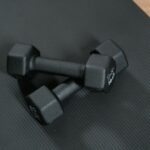
Strength training sends a powerful signal to your body that muscle is needed. When you lift weights, you create mechanical tension in the muscle fibers. This tension tells the body to preserve and even build muscle, even when you are in a calorie deficit.
You do not need to train like a bodybuilder to protect muscle. Two to three full-body strength sessions per week are enough for most people. Focus on compound movements like squats, deadlifts, push-ups, rows, and overhead presses. These exercises recruit the most muscle fibers and produce the strongest preservation signal.
Progressive overload matters. This means gradually increasing the weight or the number of repetitions over time. If you keep lifting the same weight every week, your body has no reason to hold onto extra muscle. Aim to add a small amount of weight or an extra rep when you can do so with good form.
Does Cardio Burn Muscle?
Steady-state cardio does not burn muscle by itself. The problem appears when you do excessive amounts of cardio while eating too few calories. Long-duration cardio increases total energy expenditure, which can make the calorie deficit too large if you do not adjust your food intake.
Moderate cardio is actually helpful for fat loss. Walking, cycling, and swimming improve cardiovascular health and contribute to the calorie deficit. The key is balance. If you are doing more than about five hours of cardio per week while dieting, you may need to increase your protein and total calorie intake to protect muscle.
High-intensity interval training, or HIIT, may be slightly better for muscle preservation than long slow cardio. HIIT sessions are shorter and create some of the same muscle-preserving signals as strength training. However, HIIT is demanding and should not replace strength training in your routine.
How Important Is Sleep for Fat Loss and Muscle Retention?
Sleep is often the forgotten factor in body composition changes. Poor sleep increases cortisol and reduces testosterone and growth hormone. These hormonal shifts favor fat storage and muscle breakdown.
One study found that people who slept only 5.5 hours per night lost more muscle and less fat compared to those who slept 8.5 hours, even when both groups followed the same diet. The calorie intake was identical. Sleep duration alone changed the ratio of muscle to fat lost.
Most adults need seven to nine hours of sleep per night. If you are dieting and training hard, aim for the higher end of that range. Prioritize consistent sleep timing and keep your bedroom cool and dark. Sleep is not optional for body composition goals.
What About Meal Timing and Frequency?
Meal timing is less important than total daily protein and calories. Eating six small meals per day does not boost metabolism more than eating three larger meals. The total intake is what drives fat loss.
That said, eating protein around your workouts can help. Consuming 20 to 40 grams of protein within a few hours before or after strength training supports muscle protein synthesis. This does not need to be a precise post-workout window. The anabolic window is wider than older advice suggested.
Some people find that eating most of their calories earlier in the day helps with appetite control. Others prefer intermittent fasting and eat within an eight-hour window. Both approaches can work for fat loss as long as protein intake stays high and the calorie deficit is moderate. Choose the pattern you can maintain consistently.
What Are the Signs You Are Losing Muscle Instead of Fat?
The scale does not tell you whether you lost fat or muscle. You need other indicators to track what is happening.
Strength loss is one of the clearest signs. If the weights you could lift a month ago now feel significantly heavier, you are likely losing muscle. Your waist measurement can help too. If your waist is shrinking but the scale is not moving much, you are probably losing fat and gaining or keeping muscle.
Feeling unusually weak or tired during daily activities can also signal muscle loss. Persistent fatigue despite adequate sleep and calories suggests your diet or training volume needs adjustment. If you are unsure, consider a body composition scan such as DEXA, which measures fat mass and lean mass separately.
Frequently Asked Questions
How much protein do I need to avoid losing muscle?
Aim for 1.6 to 2.2 grams of protein per kilogram of body weight daily. Spread it across three to four meals for best results.
Can I lose fat without lifting weights?
Yes, but you will lose more muscle than if you strength train. Lifting weights two to three times per week is the most reliable way to preserve lean mass during a calorie deficit.
Is it possible to lose weight too fast?
Yes. Losing more than about 1 percent of your body weight per week increases the risk of muscle loss. A slower deficit of 300 to 500 calories per day is safer for preserving muscle.
Does cardio burn muscle or fat?
Moderate cardio burns fat when paired with a proper diet. Excessive cardio combined with a very low calorie intake can lead to muscle loss.
