
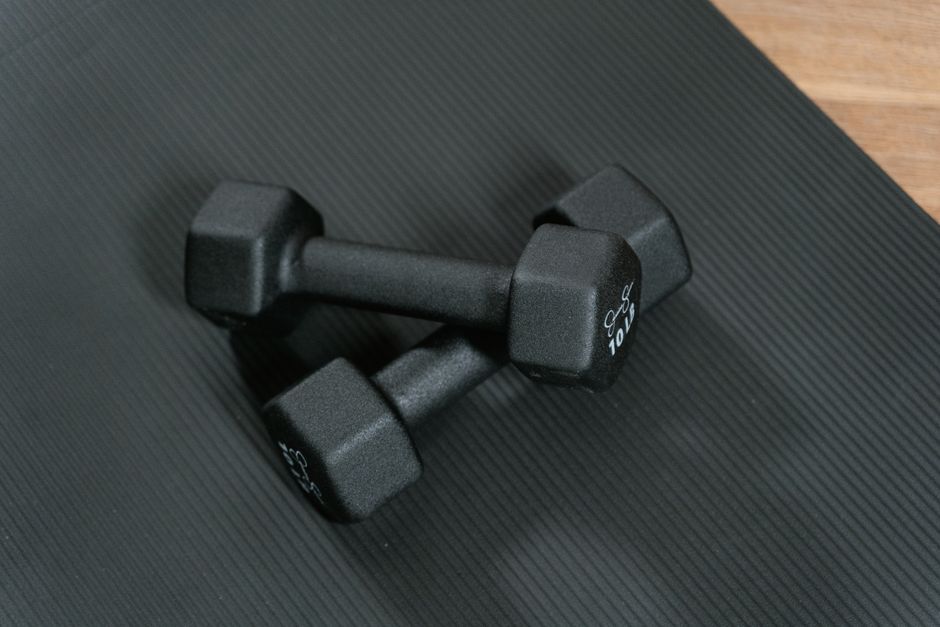
Yes, you can burn fat by lifting weights. In fact, resistance training is one of the most effective ways to change your body composition. While cardio burns more calories during the activity itself, lifting weights builds muscle, and muscle tissue burns more energy at rest. This means your body continues to use calories long after you leave the gym. For sustainable fat loss, lifting weights combined with a calorie-controlled diet is a proven strategy that experts consistently recommend.
How Does Lifting Weights Actually Burn Fat?
Lifting weights burns calories directly. A challenging workout requires significant energy, and your body pulls from stored fuel to power through each set. But the real advantage comes after your session ends.
Resistance training creates small tears in muscle fibers. Your body repairs these fibers in the hours and days after your workout, a process that requires energy. This is called excess post-exercise oxygen consumption, or EPOC. Your metabolic rate stays elevated while your body works to rebuild muscle and restore energy stores.
Some research suggests this afterburn effect can last anywhere from a few hours to a full day depending on workout intensity. The harder you push yourself, the more energy your body spends on recovery.
Muscle Mass and Your Resting Metabolic Rate
Your resting metabolic rate is the number of calories your body burns just to keep you alive. It accounts for the majority of your daily energy expenditure. Muscle is metabolically active tissue, meaning it requires energy to maintain.
When you build muscle through progressive overload — gradually increasing the weight you lift — you increase your daily calorie burn. Studies consistently show that individuals with more lean muscle mass have higher resting metabolic rates than those with less muscle at the same body weight.
This is a key reason why lifting weights is so valuable for long-term weight management. Dieting alone often causes muscle loss along with fat loss, which slows your metabolism. Resistance training helps preserve muscle, keeping your metabolism higher while you lose weight.
Cardio vs. Weights: Which Is Better for Fat Loss?
This is a common question with a nuanced answer. Steady-state cardio like jogging or cycling burns more calories per minute during the workout itself. A 30-minute run might burn more calories than 30 minutes of moderate weightlifting.
However, weightlifting creates a longer-lasting metabolic effect. Cardio does not build significant muscle mass, so its calorie-burning benefits mostly end when your workout ends. Weights build tissue that burns calories around the clock.
The best approach for most people is to do both. Combining resistance training with cardiovascular exercise addresses different aspects of fitness and health. Cardio improves heart and lung function, while weights preserve and build muscle. For fat loss specifically, the scientific literature generally shows that combining both produces better results than either alone.





Can You Burn Fat by Lifting Weights Without Cardio?
Yes, you can lose fat with weights alone if your diet is right. Fat loss ultimately comes down to maintaining a calorie deficit — burning more energy than you consume. Lifting weights helps create that deficit through the calories burned during sessions and the increased resting metabolism from added muscle.
What matters most is consistency over time. A person who lifts weights three to four times per week and eats a moderate, protein-rich diet will typically see meaningful changes in body composition. They may lose fat and gain muscle simultaneously, which is why the scale might not move much even as their body visibly changes.
That said, adding some form of cardio provides additional health benefits. Heart health, blood pressure, and cholesterol levels all respond well to aerobic exercise. For overall health, a balanced program is generally recommended.
What Kind of Weightlifting Burns the Most Fat?
Compound movements are your best option. Exercises that use multiple muscle groups at once — like squats, deadlifts, push-ups, rows, and lunges — require more energy and stimulate more muscle growth than isolation exercises.
Progressive overload is essential. To keep burning fat and building muscle, you must continually challenge your body. This means gradually increasing the weight, adding more repetitions, or reducing rest time between sets over the course of weeks and months.
Workout structure also matters. Full-body workouts performed two to three times per week are effective for beginners and intermediates. As you advance, a split routine that targets different muscle groups on different days may allow for greater training volume.
Rest periods influence calorie burn as well. Shorter rest intervals between sets — around 60 to 90 seconds — keep your heart rate elevated and increase the metabolic demand of the session. This approach, often called circuit training, combines strength work with a cardiovascular stimulus.
How Much Weightlifting Do You Need for Fat Loss?
Two to three resistance training sessions per week is a solid starting point for most people. Each session should last roughly 45 to 60 minutes and include exercises that target all major muscle groups.
Consistency outweighs perfection. A moderate workout you complete regularly will produce better results than an intense routine you abandon after two weeks. Aim for a schedule that fits realistically into your life.
Recovery matters too. Muscle grows during rest, not during training. Lifting the same muscle groups on consecutive days without adequate recovery can hinder progress and increase injury risk. Allow at least 48 hours between sessions that target the same muscles.
Does Diet Matter More Than Lifting?
For fat loss, yes — diet plays the larger role. You cannot out-train a poor diet. A single workout might burn 300 to 500 calories, but a fast-food meal can easily contain double that amount. Weight loss fundamentally requires eating fewer calories than your body uses.
Lifting weights changes what that weight loss looks like. Without resistance training, weight loss typically includes a significant amount of muscle. With resistance training, a greater proportion of the weight you lose comes from fat. This is why two people on the same diet can end up with very different body compositions — one soft and smaller, the other firm and defined.
Protein intake deserves special attention. Adequate protein supports muscle maintenance and repair during a calorie deficit. Most research suggests that individuals who lift weights while dieting benefit from a higher protein intake than the general recommendation.
Common Mistakes That Slow Fat Loss Progress
One of the most frequent errors is treating weightlifting like cardio. Lifting light weights for endless repetitions with minimal rest does little to build muscle. To stimulate growth, you need to lift a weight that challenges you within a moderate rep range, typically 6 to 12 repetitions per set.
Another mistake is ignoring the scale and measurements. Muscle is denser than fat, so you can lose fat and gain muscle without the number on the scale changing. Track progress through how your clothes fit, waist measurements, and progress photos rather than relying solely on body weight.
Many people also expect results too quickly. Visible body composition changes typically take eight to twelve weeks of consistent training and proper nutrition. Fat loss is a gradual process, and dramatic transformations marketed online are usually unrealistic or unsustainable.
Frequently Asked Questions
Will lifting weights make me bulky?
No, not in the way most people fear. Building significant muscle mass requires years of dedicated training, progressive overload, and often a calorie surplus. For most people, lifting weights produces a leaner, more toned appearance.
How soon will I see fat loss results from lifting weights?
Most people notice changes in how their clothes fit within 8 to 12 weeks of consistent training. Early strength gains often come from neurological adaptation rather than muscle growth, so visible body changes take a bit longer.
Should I lift weights before or after cardio?
Lift weights first if your priority is building muscle and strength. Your energy reserves are highest at the start of a workout, allowing you to lift heavier and maintain proper form. Do cardio first only if endurance is your primary goal.
Can I burn belly fat by lifting weights?
You cannot spot-reduce fat from a specific area, including your belly. Fat loss occurs throughout the body based on genetics. Lifting weights helps create the calorie deficit and hormonal conditions that lead to overall fat reduction, which will eventually include your midsection.
