
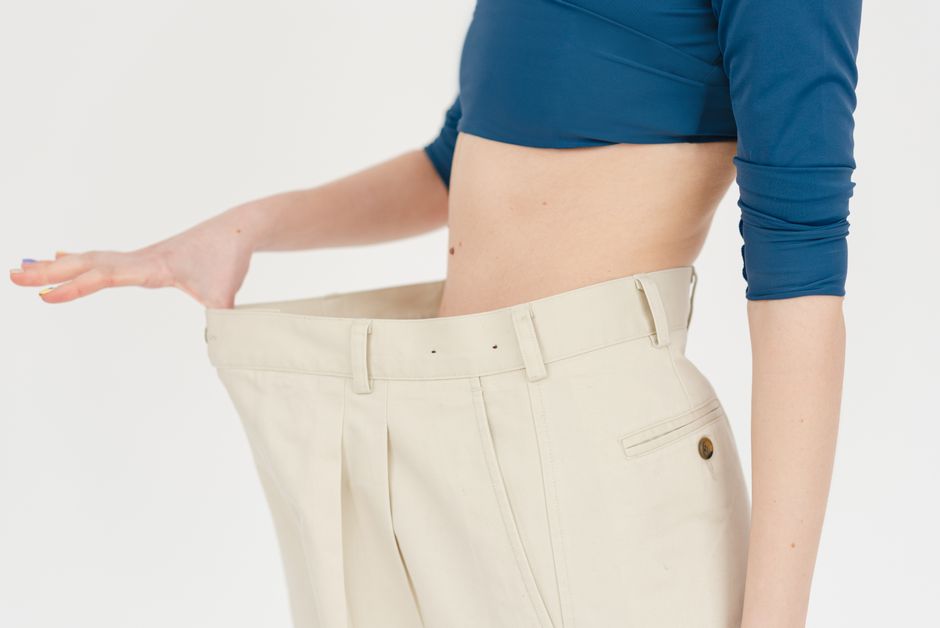
Burning belly fat without working out is not about magic pills or quick fixes. It is about changing how your body stores fat in the first place. The truth is you cannot spot-reduce fat from your belly through exercise alone, and you do not need to spend hours at the gym to see a difference. Your daily habits around food, sleep, and stress control your belly fat more than any workout routine ever could. This guide explains what the research actually says about reducing belly fat without formal exercise.
Does burning belly fat without working out actually work?
Yes, it does work, but only if you are honest about what “without working out” means. You can lose belly fat without going to a gym or running on a treadmill. What you cannot do is lose belly fat without moving your body at all throughout the day.
Research shows that non-exercise activity thermogenesis, or NEAT, is a major factor in daily calorie burn. NEAT includes everything from walking to the mailbox to standing while talking on the phone to fidgeting in your chair. Studies have found that people with higher NEAT levels burn hundreds more calories per day than sedentary people, even though neither group is formally exercising.
Current research suggests that NEAT can vary by as much as 2,000 calories per day between two people of the same body weight. The person who paces while on calls, takes stairs instead of elevators, and stands while cooking burns significantly more energy. That energy deficit, over time, reduces belly fat.
What causes belly fat to build up in the first place?
Belly fat is not just about eating too much. It is about how your body responds to stress, sleep loss, and certain types of food. Visceral fat, the dangerous fat around your organs, is especially sensitive to the hormone cortisol. When cortisol stays high for long periods, your body stores fat preferentially in the belly.
Sleep deprivation is one of the strongest triggers for belly fat gain. A 2022 study in the Journal of the American College of Cardiology found that people who slept fewer than six hours per night had significantly more visceral fat than those who slept seven to eight hours. This happened regardless of diet or exercise habits.
Your liver also plays a role. When you eat too much sugar, especially from sugary drinks, your liver converts it into fat. Some of that fat gets stored in the liver itself, causing fatty liver disease. The rest gets stored as belly fat. Cutting out liquid sugar is one of the fastest ways to reduce belly fat without changing anything else.
What dietary changes actually reduce belly fat without exercise?
The most effective single change is eliminating sugar-sweetened beverages. Soda, sweet tea, fruit juice, and sports drinks deliver liquid calories that your brain does not register as food. You consume them on top of your normal meals, not instead of them. A 2019 systematic review in Nutrients found that reducing sugar-sweetened beverage intake led to measurable reductions in visceral fat within eight to twelve weeks, even with no exercise component.
Intermittent fasting has also shown promise for belly fat reduction, though the evidence is mixed. Some studies suggest that time-restricted eating, such as eating only within an eight-hour window, helps reduce visceral fat independent of calorie reduction. Other studies show that the benefits come mostly from eating fewer calories overall, not from the timing itself.
What matters most is protein intake. Higher protein diets increase satiety, meaning you feel fuller with fewer calories. Protein also has a higher thermic effect of food, meaning your body burns more calories digesting protein than it does digesting carbs or fat. Aim for at least 25 to 30 grams of protein per meal. This does not require supplements. Eggs, Greek yogurt, chicken, fish, lentils, and tofu all work.
Fiber is the other key player. Soluble fiber, found in oats, beans, apples, and carrots, forms a gel in your gut that slows digestion and reduces the absorption of fat and sugar. A 2021 study in Obesity showed that increasing soluble fiber by 10 grams per day led to a 3.7 percent reduction in visceral fat over five years, without any dietary changes otherwise.





How do sleep and stress affect belly fat storage?
This is where most people fail. They fix their diet but ignore sleep and stress, and then wonder why their belly does not change. Cortisol, the primary stress hormone, directly signals your body to store fat in the abdomen. When you are chronically stressed, your body thinks it is in survival mode and holds onto belly fat as an energy reserve.
Sleep is the lever that controls both hunger hormones and cortisol. When you are sleep-deprived, ghrelin, the hunger hormone, goes up, and leptin, the fullness hormone, goes down. You feel hungrier even if you ate enough. You also crave high-calorie foods more intensely because your brain is looking for quick energy.
One practical strategy is to set a consistent bedtime and wake time, even on weekends. Irregular sleep schedules confuse your body’s circadian rhythm, which raises cortisol. A 2020 study in the Journal of Clinical Endocrinology and Metabolism found that people with irregular sleep patterns had 11 percent more visceral fat than those with consistent schedules, even after adjusting for total sleep duration.
Stress management does not require meditation if that is not your style. Walking outside for ten minutes, listening to music without distractions, or simply sitting quietly with a cup of tea all lower cortisol. The key is consistency, not intensity. Five minutes of deliberate relaxation every day is more effective than one hour once a week.
What role does daily movement play if you are not working out?
This is the confusion that frustrates many people. You can burn belly fat without working out, but you cannot burn belly fat without moving. The distinction matters. Working out means planned, structured exercise like running, lifting weights, or attending a fitness class. Moving means walking to the store, gardening, cleaning the house, playing with your kids, or taking the stairs.
NEAT, the non-exercise movement we discussed earlier, is the hidden factor. A person who walks 10,000 steps per day through daily activities burns roughly 300 to 500 more calories than a person who walks 3,000 steps, even if neither person exercises. Over a month, that difference adds up to two to four pounds of fat loss, depending on body size and diet.
Standing desks are one tool that research supports, but the effect is smaller than most claims suggest. Standing burns about 0.15 more calories per minute than sitting. Over an eight-hour workday, that is roughly 70 extra calories. It helps, but it is not a replacement for walking. The better strategy is to break up sitting time every thirty minutes with a two-minute walk around your office or home.
The table below compares the estimated calorie burn from common daily activities versus formal exercise. This helps show why NEAT matters more than most people think.
| Activity | Calories Burned per 30 Minutes (155 lb person) | Type |
|---|---|---|
| Walking (3 mph) | 140 | NEAT / Light exercise |
| Standing at desk | 35 | NEAT |
| Gardening | 165 | NEAT |
| Cleaning house | 130 | NEAT |
| Running (6 mph) | 350 | Formal exercise |
| Weight lifting | 220 | Formal exercise |
What common mistakes prevent belly fat loss without working out?
The biggest mistake is believing that one change will fix everything. People cut out soda but eat more processed snacks. They try intermittent fasting but eat junk during their eating window. They sleep better but remain stressed all day. Belly fat is driven by multiple systems in your body, and you need to address most of them to see real change.
Another mistake is relying on “belly fat burning” supplements. As of 2026, there is no clinical evidence that any supplement, including green tea extract, conjugated linoleic acid, or raspberry ketones, causes significant belly fat loss in humans. These products are widely claimed to work, but strong evidence is limited. Most studies show small effects that do not translate to visible changes.
Alcohol is another hidden contributor. Alcohol is metabolized similarly to sugar. Your liver prioritizes breaking down alcohol over burning fat. Drinking even moderate amounts, such as two drinks per day, reduces your body’s ability to burn fat for hours afterward. Beer and cocktails are especially problematic because they combine alcohol with sugar or refined carbs.
Eating too late at night is not the problem by itself. The problem is what you eat late at night. If your late-night snack is high in refined carbs and sugar, it spikes insulin and promotes fat storage. If you are hungry at night, eat protein or vegetables. Avoid anything that comes in a package with added sugar.
Frequently Asked Questions
Can you lose belly fat without any exercise at all?
Yes, but you still need to move throughout the day through walking, standing, and daily chores to create a calorie deficit.
How long does it take to see belly fat loss without working out?
Most people see changes in four to eight weeks if they consistently improve diet, sleep, and daily movement habits.
