
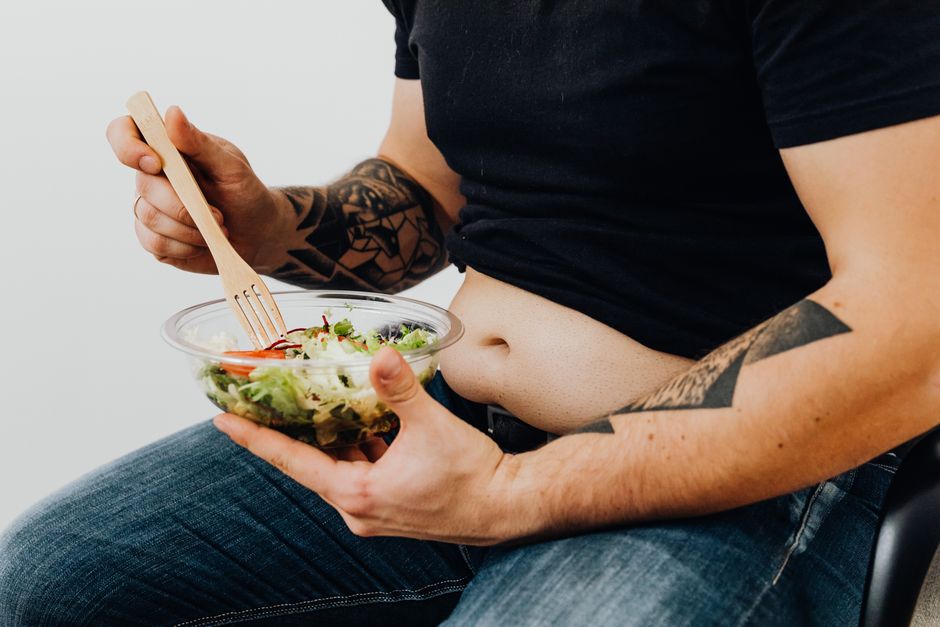
Belly fat is not just about how your clothes fit. It is a health issue that affects your heart, your blood sugar, and your long-term risk for disease. Research shows that spot reduction — targeting one area of the body for fat loss — does not work. But the science is clear on what does. To burn belly fat, you must lower your overall body fat percentage through a combination of diet, exercise, and lifestyle changes that specifically target visceral fat, the dangerous kind stored deep in your abdomen. No single food or pill will do it, but the right strategies, backed by evidence, can make a real difference over time.
What Causes Belly Fat to Build Up?
Belly fat comes in two types: subcutaneous fat, which sits just under the skin, and visceral fat, which wraps around your internal organs. Visceral fat is the more dangerous one. It is linked to higher risks of heart disease, type 2 diabetes, and inflammation.
Several factors drive belly fat gain. The obvious one is eating more calories than you burn. But the type of calories matters. Diets high in added sugars and refined carbohydrates — think white bread, sugary drinks, and pastries — are strongly linked to more visceral fat. Research has found that sugar-sweetened beverages are especially problematic because the body processes liquid sugar differently, storing more of it as belly fat.
Stress and poor sleep also play a big role. When you are stressed, your body releases cortisol, a hormone that encourages fat storage in the abdomen. Studies have found that people with higher cortisol levels tend to carry more visceral fat. Lack of sleep disrupts hormones that control hunger, making you eat more and store more fat.
Genetics matter too. Some people are more prone to storing fat in their midsection. But that does not mean you are stuck with it. Lifestyle changes can override genetic tendencies, though it may take longer.
Does Diet Alone Burn Belly Fat?
Diet is the most powerful tool for losing belly fat, but it has to be the right diet. Cutting calories alone will reduce overall body fat, including belly fat, but the composition of your diet influences how quickly and effectively that happens.
Research consistently shows that reducing added sugars and refined carbohydrates is key. A study in the Journal of the American Medical Association found that people who cut back on sugar lost more visceral fat than those who only reduced calories. Swapping refined grains for whole grains — like oats, brown rice, and quinoa — has been shown to lower belly fat over time.
Protein is another critical factor. High-protein diets boost metabolism, reduce appetite, and help preserve muscle during weight loss. Muscle burns more calories than fat, so keeping it helps you burn fat faster. Aim for a serving of protein — eggs, fish, chicken, legumes — at every meal.
Fiber, especially soluble fiber, deserves special mention. Soluble fiber absorbs water and forms a gel that slows digestion. This helps you feel full and reduces calorie absorption. A study of over 1,100 adults found that a 10-gram increase in soluble fiber per day reduced belly fat accumulation by nearly 4% over five years. Good sources include avocados, Brussels sprouts, black beans, and flaxseeds.
What about popular diets like keto or intermittent fasting? Evidence is mixed. Some studies suggest that intermittent fasting can help reduce belly fat, but the results are similar to standard calorie restriction. Keto diets lead to rapid initial weight loss, but much of that is water weight, and long-term adherence is tough. The most effective diet is the one you can stick with consistently.
What Types of Exercise Actually Burn Belly Fat?
Exercise is essential, but not all exercise is equal for belly fat. Spot exercises like crunches and sit-ups strengthen abdominal muscles but do not burn the fat covering them. You cannot outwork a bad diet, but the right exercise can accelerate fat loss.
High-intensity interval training (HIIT) is one of the most effective methods. HIIT involves short bursts of intense activity followed by brief rest periods. Research has found that HIIT reduces visceral fat more than moderate-intensity steady-state cardio, even when total calories burned are the same. This is likely because HIIT increases post-exercise calorie burn and improves insulin sensitivity.
Resistance training — lifting weights — is also important. Muscle mass declines with age, and less muscle means a slower metabolism. Strength training helps preserve muscle and boost metabolic rate. A study in the Journal of Applied Physiology found that combining resistance training with aerobic exercise was more effective for reducing visceral fat than either alone.
Walking is underrated. A brisk 30-minute walk daily can reduce belly fat, especially if you combine it with dietary changes. The key is consistency. Walking does not burn as many calories as running or HIIT, but it is sustainable for most people.
Here is a quick comparison of exercise types for belly fat:
| Exercise Type | Effect on Belly Fat | Best For |
|---|---|---|
| HIIT | Strong evidence for reducing visceral fat | People with limited time who can handle intensity |
| Resistance Training | Moderate evidence; preserves muscle | Building metabolism and long-term fat loss |
| Steady-State Cardio | Moderate evidence; effective with calorie deficit | Beginners or those who prefer lower intensity |
| Walking | Mild evidence; works over time | Consistency and joint-friendly movement |





Can Supplements or Pills Burn Belly Fat?
This is where the hype is thickest. Many supplements claim to target belly fat, but the evidence is thin. As of 2026, no supplement has been proven to burn belly fat directly. Some may offer modest support, but they are not a substitute for diet and exercise.
Green tea extract is one of the most studied. It contains catechins and caffeine that may slightly boost metabolism. A review of studies found that green tea extract helped reduce body weight and waist circumference, but the effects were small — about 1-2 pounds over several months. It is not a game changer.
Conjugated linoleic acid (CLA) is another popular supplement. Some studies suggest it reduces body fat, but results are inconsistent. Side effects include digestive issues and potential harm to liver health with long-term use. The American Heart Association does not recommend it for weight loss.
Caffeine can increase energy expenditure temporarily, but tolerance builds quickly. The effect is minor and not specific to belly fat. Garcinia cambogia and raspberry ketones have little to no evidence behind them for fat loss.
The supplement industry is poorly regulated. Many products contain unlisted ingredients or doses that do not match the label. If something sounds too good to be true, it probably is. Spend your money on whole foods and a gym membership instead.
What Lifestyle Changes Help Burn Belly Fat?
Sleep and stress management are often overlooked, but they are critical. Chronic stress raises cortisol, which directs fat storage to the abdomen. A study of over 2,500 adults found that those with higher stress levels had more belly fat, regardless of diet and exercise.
Getting seven to nine hours of quality sleep per night helps regulate hunger hormones like ghrelin and leptin. Poor sleep increases ghrelin, which makes you hungry, and decreases leptin, which tells you when you are full. This combination leads to overeating and fat storage.
Alcohol is another factor. Drinking too much alcohol, especially beer and spirits, is linked to more belly fat. Alcohol provides empty calories and reduces fat burning because the body prioritizes metabolizing alcohol over fat. Moderation is key — one drink per day for women and two for men is a reasonable limit.
Hydration matters more than you might think. Water helps your metabolism run efficiently and can reduce calorie intake if you drink it before meals. A study found that drinking 500 milliliters of water before meals increased weight loss by 44% over 12 weeks.
Here are practical steps you can take starting today:
- Swap sugary drinks for water or unsweetened tea.
- Eat protein at every meal to control hunger.
- Include soluble fiber from foods like oats, beans, and apples.
- Do two to three strength training sessions per week.
- Walk for 30 minutes on most days.
- Get seven hours of sleep minimum.
- Limit alcohol to occasional use.
Common Misconceptions About Burning Belly Fat
One of the biggest myths is that you can target belly fat with specific exercises. This idea has been debunked for decades. When you lose fat, your body decides where it comes from. Genetics play a large role in that. For some, belly fat is the last to go. For others, it comes off first. You cannot control the order.
Another misconception is that detox teas or juice cleanses will burn belly fat. These products often cause water loss, not fat loss. The weight comes back quickly. They can also be dangerous, causing electrolyte imbalances and dehydration. There is no clinical evidence that any cleanse removes fat from your abdomen.
Some people believe that eating fat makes you fat. This is not true. Healthy fats from sources like avocados, nuts, and olive oil are essential for hormone function and can help you feel full. The problem is overeating any macronutrient, not fat itself. Current research suggests that replacing saturated fats with unsaturated fats may even help reduce visceral fat.
Finally, do not fall for the idea that you need to starve yourself. Severe calorie restriction slows your metabolism and causes muscle loss. You end up weaker and hungrier, which makes long-term fat loss harder. A moderate calorie deficit of 300-500 calories per day, combined with protein and exercise, is the sustainable path.
Frequently Asked Questions
Can you burn belly fat without exercise?
Yes, diet alone can reduce belly fat, but it is slower and less effective. Exercise speeds up the process and helps preserve muscle.
How long does it take to see belly fat loss?
Most people notice changes in waist size within four to eight weeks of consistent diet and exercise. Individual results vary based on starting point and adherence.
Do ab exercises burn belly fat?
No, ab exercises strengthen muscles but do not remove fat from that area. Only overall fat loss through diet and full-body exercise reduces belly fat.
Is belly fat harder to lose than other fat?
For many people, yes, because visceral fat is more metabolically active and responds to stress hormones. It can be the last area to slim down, but it will go with consistency.
