
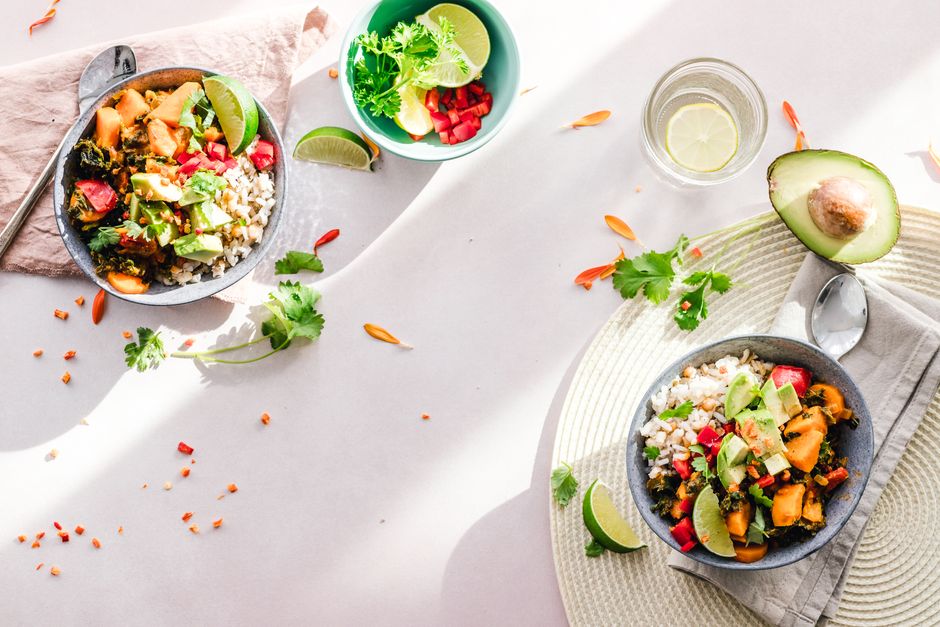
Bulking on keto means eating enough calories and protein to support muscle growth while keeping carbohydrates low enough to stay in ketosis. The two goals can work together, but they pull in different directions. Carbs are the body’s fastest fuel for hard training, and ketosis limits how much of them you can eat. The way around this is to anchor your surplus in fat and protein, train hard, and accept that some strength work will feel different than it does on a higher-carb diet.
How To Bulk On Keto Build Muscle Without Carbs
Muscle growth depends on three things: enough total calories, enough protein, and progressive training stress. None of those requires carbohydrates. What carbs mainly provide is quick energy for high-intensity work and a boost to muscle glycogen, the stored form of glucose your muscles use during hard efforts.
On keto, you keep carbs low enough to stay in ketosis. Most people land somewhere under 50 grams of net carbs per day, though the exact threshold varies by person and activity level. That leaves fat and protein to cover your calorie needs. The body can make glucose it needs from protein and from the glycerol backbone of fats, a process called gluconeogenesis. This is established physiology, not a fringe claim.
The catch is performance. Research consistently shows that very low-carb diets can reduce your capacity for repeated bursts of high-intensity exercise. That does not stop muscle growth, but it changes how you should train and what you can expect.
Can You Actually Build Muscle Without Carbs?
Yes. Muscle protein synthesis, the process by which your body builds new muscle tissue, is driven by resistance training and amino acids from protein. It does not require dietary carbohydrate as a direct input.
Some studies suggest that low-carb dieters can gain muscle at a rate comparable to higher-carb dieters when protein and calories are matched. Other studies show a small edge to higher-carb diets for strength and training volume. The evidence is mixed, and the difference appears modest when protein is adequate in both groups.
What matters more than the carb number is whether you are eating enough. A bulk requires a calorie surplus. If you cut carbs and do not replace those calories with fat and protein, you will lose weight and muscle, not gain it. This is the most common mistake people make when they try to bulk on keto.
How Much Protein Do You Need to Gain Muscle on Keto?
Protein needs for muscle gain are well established and do not change much on keto. A common research-backed range is roughly 1.6 to 2.2 grams of protein per kilogram of body weight per day for people doing resistance training. For a 180-pound person, that is about 130 to 180 grams daily.
This is higher than many keto followers eat. Traditional keto diets were designed for epilepsy and often kept protein moderate. For muscle gain, you need to push protein up. That does not usually kick you out of ketosis, because protein does not raise blood glucose the way carbohydrates do in most people. Some individuals are more sensitive, but the fear that protein ruins ketosis is overstated for most healthy people.
Spread protein across the day. Research indicates that eating protein in several meals of roughly 20 to 40 grams each supports muscle protein synthesis better than eating most of it in one sitting. The total daily amount still matters most.



How Many Calories Should You Eat to Bulk on Keto?
A surplus drives growth. Eat more calories than you burn, and some of that energy goes toward building muscle. Eat at maintenance or below, and you will not add meaningful muscle no matter how much protein you eat.
A commonly used starting point is a surplus of about 10 to 20 percent above your maintenance calories. For someone who maintains on 2,500 calories, that means roughly 2,750 to 3,000. This is a general guideline, not a fixed rule. The right number depends on your size, training, and how your body responds.
Watch the scale and the mirror. If you are not gaining weight over several weeks, add calories. If you are gaining fat faster than muscle, pull back slightly. On keto, the surplus comes from fat and protein, since carbs stay low.
Where the Extra Calories Come From
- Fatty cuts of meat and poultry with skin
- Olive oil, butter, and coconut oil
- Avocado and nuts
- Cheese and full-fat dairy
- Fatty fish like salmon and sardines
- Eggs
Fat is calorie-dense, which makes hitting a surplus easier. One gram of fat has about 9 calories, compared with about 4 calories per gram for protein and carbohydrate. That density is helpful when you struggle to eat enough, but it can also push you past your target quickly if you are not tracking.
Will Keto Hurt Your Training and Recovery?
It can, especially at first. When you cut carbs, your body shifts its fuel use. During the first week or two, many people feel flat, weak, and low on energy. This is sometimes called the keto flu. It usually eases as the body adapts, though how long that takes varies widely.
Even after adaptation, high-intensity work tends to suffer. Research published in sports nutrition literature has found that very low-carb diets can reduce performance in activities that rely on glycogen, such as repeated sprints or heavy sets with short rest. Lower-intensity work and steady-state effort are less affected.
Practical adjustments help:
- Keep rest periods a little longer between heavy sets
- Favor moderate reps over very high-rep sets to failure
- Prioritize sleep, since recovery drives growth
- Stay consistent for several weeks before judging results
Some people train well on keto. Others do not. Individual response varies more than most diet advice admits.
Do You Need Carbs Around Your Workout?
Not necessarily, but some people find a small amount of carbs before or after training helps. A modest serving of easily digested carbs can support a hard session without pushing most people out of ketosis for long. This is a personal trade-off between staying strictly low-carb and getting the most from your training.
There is no strong evidence that a specific carb timing strategy is required to build muscle on keto. If you feel fine without them, you do not need them. If your performance is clearly suffering, a small targeted amount is a reasonable experiment. This is common practice, not a firmly established recommendation.
What About Fat and Ketone Levels for Muscle Growth?
Higher fat intake supports ketosis, but fat itself does not build muscle. Muscle growth comes from training and protein. Fat’s role in a keto bulk is mainly to supply calories so you can eat enough without adding carbs.
You do not need to chase a specific ketone number to gain muscle. Ketone levels vary between people and across the day. Some people measure them, but there is no established ketone target for muscle gain. Staying consistently low-carb is enough for most.
Common Mistakes When Bulking on Keto
The biggest error is eating too little. Keto foods are filling, and it is easy to feel full before you hit your calorie target. If the scale is not moving up, you are probably eating less than you think.
Other frequent mistakes:
- Eating too little protein and too much fat
- Training with too much volume and not enough recovery
- Judging progress after only a week or two
- Cutting carbs so low that training quality collapses
Track your food for a while, at least at the start. Guessing leads to slow progress and confusion about what is working.
Is Bulking on Keto Right for You?
Keto can work for building muscle if you eat enough, get enough protein, and train hard. It is not the only way, and for some people it is not the best way. Higher-carb diets tend to support high-intensity training more easily, which can matter if your goal is maximum strength or size.
If you prefer keto for other reasons, you can still make it work. Expect a slower start, watch your calories closely, and be honest about how your training feels. If performance drops and stays down, that is useful information. Some people adjust their carb intake rather than force a diet that fights their goals.
Frequently Asked Questions
Can you build muscle on keto without eating carbs?
Yes, muscle growth depends on resistance training and adequate protein, not on dietary carbohydrate. You still need enough total calories and protein to support growth.
How much protein do you need to bulk on keto?
A common research-backed range is about 1.6 to 2.2 grams of protein per kilogram of body weight daily for people doing resistance training. That is higher than many standard keto diets provide.
Will keto make me lose strength while bulking?
Very low-carb diets can reduce performance in high-intensity exercise, especially early on. Some people adapt well over time, while others see lasting drops in strength and training quality.
Do you need carbs to gain muscle?
No, carbs are not required for muscle growth. They mainly support high-intensity training by fueling muscle glycogen, so they can help performance but are not essential for building muscle.
