
A knot in your trapezius muscle can stop you mid-motion, turning your head or reaching for a cup into a sharp reminder that something is tight. The fastest way to release it combines targeted pressure, gentle movement, and heat. You do not need expensive tools or a therapist visit for immediate relief, though persistent knots may require professional care.
What Exactly Is a Muscle Knot in Your Trapezius?
A muscle knot is not a literal tangle of tissue. It is a small, contracted band of muscle fibers that will not relax. These are called myofascial trigger points. When a group of muscle fibers stays contracted, it squeezes local blood flow and builds up chemical waste, which causes pain and tenderness.
Your trapezius is a large, diamond-shaped muscle running from the base of your skull across your shoulders and down your mid-back. It is a prime spot for knots because it holds your head up and controls shoulder movement. Poor posture, stress, and repetitive motions all make this muscle work harder than it should.
The pain from a trapezius knot often spreads. You might feel it at the base of your skull, behind your eye, or along your jaw. That referred pain is normal and does not mean something else is wrong.
How To Get Knots Out Of Your Trapezius Muscle Fast
Start with direct pressure. Use your fingers, a lacrosse ball, or a massage tool to press firmly into the knot. You want enough pressure to feel deep discomfort but not sharp, shooting pain. Hold the pressure for 30 to 60 seconds. Research consistently shows that sustained pressure helps trigger points release.
After pressure, move the muscle. Gently roll your shoulders, tilt your head side to side, and turn your head left and right. Movement after pressure tells the muscle it is safe to lengthen again. This combination — pressure followed by motion — is the most effective fast approach.
Heat speeds the process. A warm compress or heating pad for 10 to 15 minutes increases blood flow to the area. Better blood flow brings oxygen and clears the chemical byproducts that make knots painful.
If you only have two minutes, press the knot firmly while slowly moving your neck through its full range of motion. This is called pin-and-stretch technique. It often works faster than static pressure alone.
Why Knots Keep Coming Back
Releasing the knot is only half the job. If you do not change what created it, the knot will return. The most common cause is sustained posture. Sitting at a desk with your head forward of your shoulders puts constant low-level strain on your upper trapezius.
Your head weighs about 10 to 12 pounds when balanced directly over your spine. For every inch your head moves forward, the load on your neck muscles roughly doubles. That math explains why desk workers and phone users develop trapezius knots so frequently.
Stress also plays a direct role. When you are anxious, your body tightens shoulder and neck muscles without you noticing. That constant low-grade tension eventually forms a knot. Some people carry so much tension that their trapezius feels like a rope.
Sleep position matters too. Sleeping on your stomach with your head twisted to one side puts your trapezius in a stretched, strained position for hours. Side and back sleeping distribute neck load more evenly.





Stretches That Prevent and Release Trapezius Knots
The levator scapulae stretch targets the area where knots commonly form. Sit tall, gently tilt your head toward one shoulder, and use your hand to add a slight stretch. Hold for 30 seconds and repeat on both sides.
The chin tuck is simpler but powerful. Sit or stand tall, draw your chin straight back as if making a double chin, hold for 5 seconds, and release. Do 10 repetitions. This exercise strengthens the deep neck flexors that oppose the trapezius, reducing its workload over time.
Shoulder blade squeezes help balance your upper back. Squeeze your shoulder blades together and down for 5 seconds, then relax. Repeat 10 to 15 times. Strong mid-back muscles take over work your trapezius should not be doing alone.
Stretching works best when your muscle is warm. Stretch after a shower, after exercise, or following a few minutes of heat application. Cold muscles stretch poorly and can strain.
Massage Tools: What Actually Works
Lacrosse balls are excellent for trapezius knots because they are firm and small enough to target specific points. Place the ball between your shoulder and a wall, lean into it, and move your body to find the most tender spot. Hold pressure there for 30 to 60 seconds.
Massage guns deliver rapid percussion to the area. Some evidence suggests they reduce muscle soreness and increase range of motion temporarily. Use them on a low to medium setting over the knot for 30 to 60 seconds. Avoid using them directly on your neck or spine.
Foam rollers are less effective for the trapezius because the muscle is hard to reach with a large surface. They work better for your mid-back, which can influence trapezius tension indirectly.
Handheld massagers with a curved handle let you reach the space between your neck and shoulder without straining your arm. The key with any tool is consistent pressure on the knot itself, not just general massage over the area.
When To See a Professional
Most trapezius knots resolve within a few days with self-care. See a physical therapist or doctor if the knot lasts more than two weeks despite regular treatment, if pain spreads into your arm or hand, or if you experience numbness or tingling.
Numbness or tingling suggests nerve involvement, which requires proper evaluation. Pain that wakes you at night or pain accompanied by fever, unexplained weight loss, or headache with vision changes needs medical attention promptly.
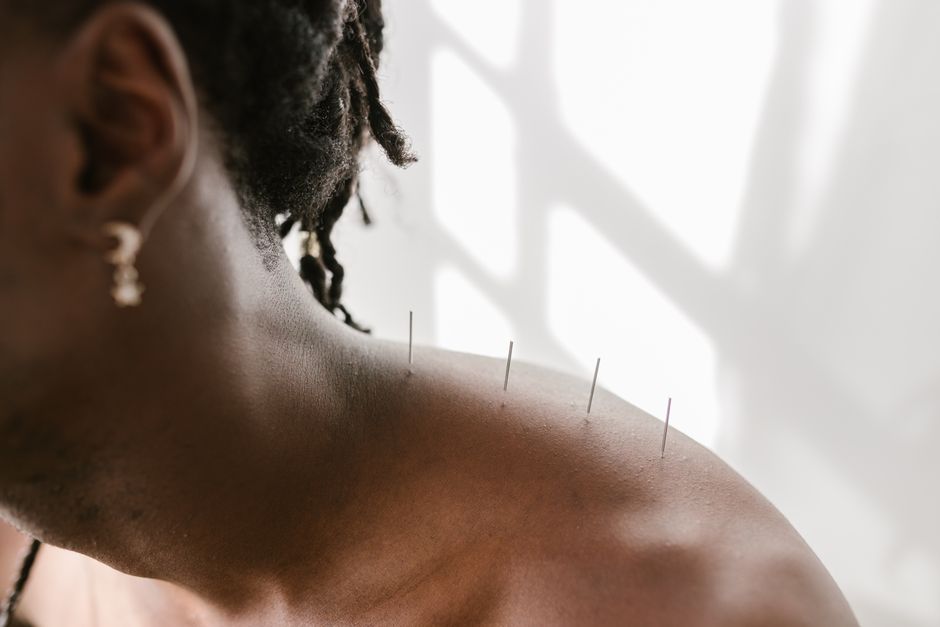
A physical therapist can teach you targeted exercises for your specific posture and movement patterns. They can also perform dry needling, which involves inserting thin needles into the trigger point. Some clinical evidence supports dry needling for short-term pain relief, though results vary between individuals.
Chiropractic adjustments and professional massage can help some people, but the evidence for their long-term effectiveness in treating trapezius knots is limited. They often provide temporary relief while you work on the underlying posture and strength issues.
Simple Daily Habits That Stop Knots Before They Start
Set a timer to stand and move every 30 to 45 minutes during desk work. Even 30 seconds of shoulder rolls and neck stretches interrupts the sustained posture that creates knots.
Check your workstation ergonomics. Your monitor should be at eye level, your elbows at about 90 degrees, and your feet flat on the floor. Small adjustments reduce the daily load on your trapezius significantly.
Take brief breaks to look up from your phone. Every time you look down, you add load to your neck muscles. Hold your phone at chest level instead of lap level.
Consider your pillow. A pillow that is too thick or too flat forces your neck into an awkward angle all night. Your head should rest in a neutral position, aligned with your spine, when lying on your side.
Frequently Asked Questions
Can a trapezius knot cause headaches?
Yes, trapezius trigger points commonly refer pain to the head, including behind the eyes and at the base of the skull. These are called tension-type headaches and often improve when the muscle knot is released.
Is it safe to massage a knot in my trapezius myself?
Yes, self-massage with fingers, a ball, or a tool is generally safe when you avoid direct pressure on your spine and neck arteries. Stop if you feel sharp pain, dizziness, or numbness.
How long does it take for a trapezius knot to go away?
With regular pressure, heat, and stretching, most knots release within a few days. Knots lasting longer than two weeks despite self-care warrant professional evaluation.
Does ice or heat work better for muscle knots?
Heat is generally more effective for muscle knots because it increases blood flow and relaxes contracted tissue. Ice is better for acute injuries with swelling, which muscle knots typically do not involve.
