
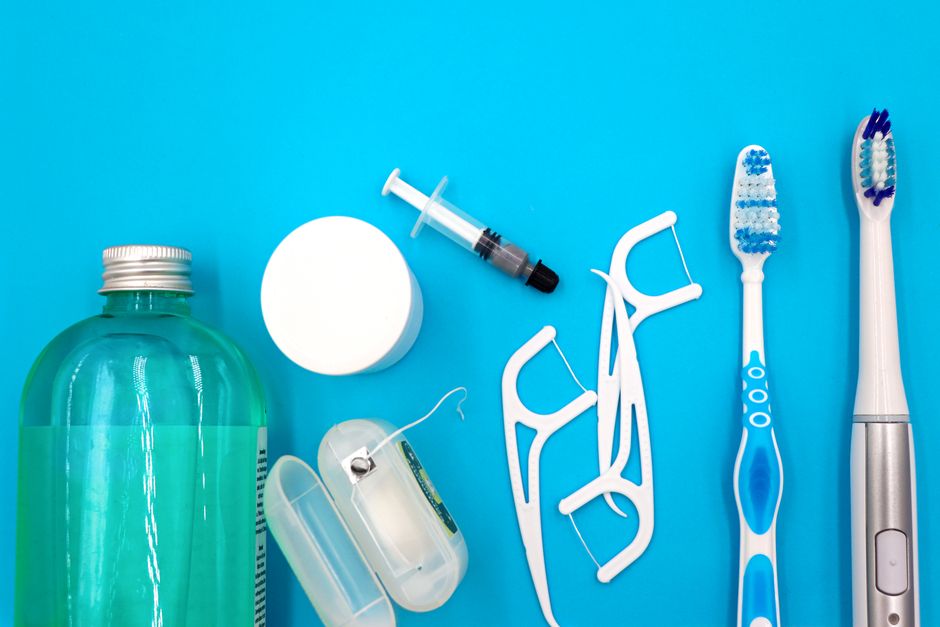
Switching to an electric toothbrush is one of the most effective changes you can make for your oral health, but only if you use it correctly. The proper technique takes about two minutes and focuses on angling the brush head at 45 degrees toward the gumline, letting the brush do the work rather than scrubbing. Here is the step-by-step method dentists recommend for getting the cleanest result with an electric toothbrush.
How To Brush Teeth With Electric Toothbrush: Step By Step
Start by wetting the bristles and applying a pea-sized amount of fluoride toothpaste. Turn the brush on before it touches your teeth to avoid splattering toothpaste everywhere.
Place the brush head at a 45-degree angle where your teeth meet your gums. Gently guide the brush along the surface of each tooth, letting the bristles slide slightly under the gumline. Do not press hard — the oscillating or sonic motion does the cleaning, not your force.
Hold the brush on each tooth for two to three seconds before moving to the next one. Work through all four quadrants of your mouth: upper right, upper left, lower right, and lower left. Spend about 30 seconds per quadrant to reach the full two-minute brushing time.
For the inside surfaces of your front teeth, tilt the brush vertically and use the front portion of the brush head. Finish by brushing your tongue or using the tongue cleaner on the back of the brush head to remove bacteria and freshen breath.
Spit out the excess toothpaste but avoid rinsing with water afterward. Rinsing washes away the fluoride that continues to protect your teeth after brushing.
Why Brushing Technique Matters More Than the Brush
An electric toothbrush removes plaque more effectively than a manual brush when used correctly, but poor technique cancels out that advantage. Research consistently shows that electric toothbrushes reduce plaque and gingivitis more than manual brushing over time.
The most common mistake people make is pressing too hard. Most electric toothbrushes have pressure sensors that alert you when you are brushing too aggressively. If yours has this feature, pay attention to it. Brushing with excessive force wears down enamel and pushes gums away from the teeth, which can lead to sensitivity and receding gums.
Another frequent error is moving the brush too quickly across the teeth. The brush head needs time on each tooth for the bristles to disrupt the plaque biofilm. Gliding the brush rapidly across multiple teeth at once means you are cleaning nothing effectively.
Choosing the Right Brush Head and Settings
Brush heads come in different sizes and bristle firmness. Most dentists recommend a small or medium head with soft bristles. Hard bristles do not clean better — they only increase the risk of damaging your gums and enamel.
Replacement is not optional. The American Dental Association recommends changing your brush head every three to four months, or sooner if the bristles are visibly frayed. Frayed bristles lose their cleaning power and can harbor bacteria.
Many electric toothbrushes offer multiple modes such as sensitive, whitening, or gum care. These settings mainly change the power or pulse pattern. For most people, the standard daily clean mode is sufficient. The sensitive mode is useful if you have gum recession or tooth sensitivity, but the brushing technique remains the same regardless of the mode you select.


How Long Should You Brush?
Two minutes is the established standard for brushing with any toothbrush. Most electric toothbrushes have a built-in timer that pulses every 30 seconds to signal when to move to the next quadrant of your mouth.
Brushing longer than two minutes does not provide additional benefit. In fact, extending your brushing time beyond three minutes increases the risk of enamel wear, especially if you tend to brush with pressure. If you are unsure whether you are brushing for the full two minutes, use the timer on your brush or a simple kitchen timer.
Brushing twice a day remains the standard recommendation. Once in the morning and once before bed is sufficient for most people. Brushing after every meal is not necessary and can actually be counterproductive — wait at least 30 minutes after eating acidic foods before brushing to avoid brushing acid-softened enamel away.
Common Mistakes to Avoid With an Electric Toothbrush
Several habits reduce the effectiveness of electric brushing. Being aware of them helps you get the most from your brush.
- Scrubbing back and forth: The brush head already moves on its own. Your only job is to guide it slowly across each tooth surface.
- Brushing with water only: Fluoride toothpaste is essential for cavity prevention. Water alone does not provide the same protection.
- Rinsing after brushing: Rinsing with water or mouthwash immediately after brushing removes the fluoride coating that continues protecting your teeth.
- Storing the brush with the head covered: A closed case traps moisture and encourages bacterial growth. Store the brush upright and let it air dry.
- Sharing brush heads: Sharing a brush head transfers bacteria between people and is not recommended even within a household.
What About Manual Brushing?
If you do not have an electric toothbrush, a manual brush can still clean your teeth effectively. The key difference is that you must perform the brushing motion yourself. Use short, gentle strokes at a 45-degree angle to the gumline, and brush each tooth surface individually.
Electric toothbrushes offer a clear advantage for people who struggle with manual dexterity, who tend to brush too hard, or who simply do not brush for the full two minutes. The built-in timers and pressure sensors address the two most common brushing failures.
The best toothbrush is the one you will use consistently and correctly. If an electric brush is not in your budget, a soft-bristled manual brush used with proper technique is perfectly adequate for maintaining oral health.
When to See a Dentist
Brushing at home is only part of oral health care. Professional cleanings remove calculus — hardened plaque that cannot be removed by brushing alone. Most dentists recommend a cleaning and examination every six months, though your dentist may suggest a different interval based on your individual risk.
See your dentist sooner if you notice bleeding gums that persist despite proper brushing, persistent bad breath, tooth sensitivity, or visible changes in your gums. These can be signs of gum disease or other conditions that need professional evaluation.
If you have braces, dental implants, crowns, or other dental work, ask your dentist whether your electric toothbrush is suitable. Most are safe with dental restorations, but certain brush heads or settings may need adjustment.
Frequently Asked Questions
How often should I replace my electric toothbrush head?
Replace the brush head every three to four months, or sooner if the bristles are visibly frayed. Frayed bristles clean less effectively and can accumulate bacteria.
Should I use mouthwash after brushing with an electric toothbrush?
Using mouthwash immediately after brushing can wash away the fluoride from your toothpaste. If you use mouthwash, wait at least 30 minutes after brushing or use it at a different time of day.
Is it safe to use an electric toothbrush on sensitive teeth?
Yes, but choose the sensitive mode if your brush has one and use a soft-bristled brush head. Avoid pressing hard, and if sensitivity persists, see your dentist to rule out underlying issues.
Can children use an electric toothbrush?
Yes, children can use electric toothbrushes with adult supervision until they have the dexterity to brush effectively on their own. Use a child-sized brush head and supervise to ensure they do not swallow toothpaste.
