
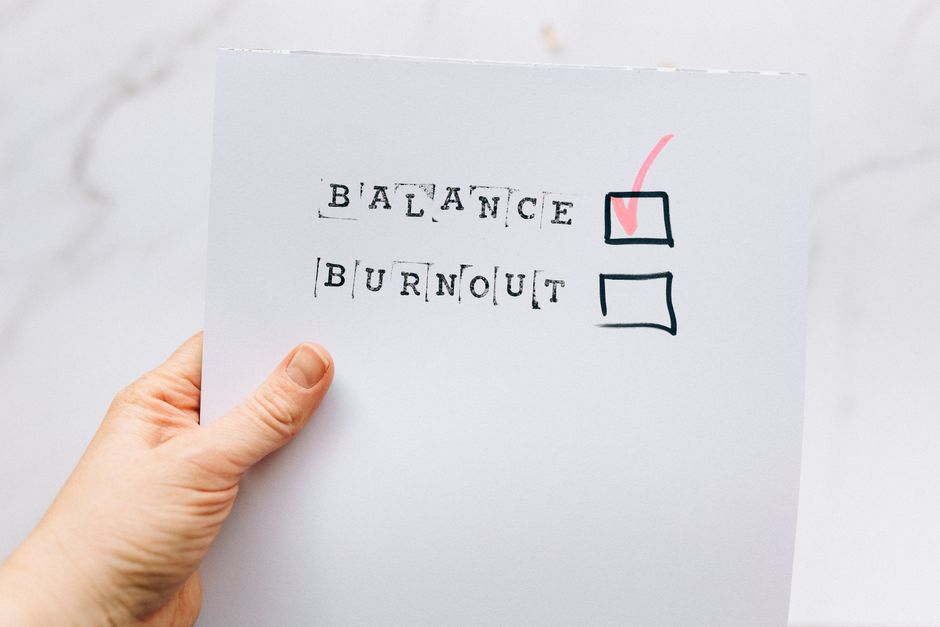
Talking to your manager about burnout is difficult, but you can do it without causing backlash by preparing a fact-based, solution-oriented conversation. Focus on your work output and specific impacts, not on your feelings or blaming your manager. Plan what you will say, choose the right time, and frame it as a request for help to improve your performance and well-being.
What Is Burnout and Why Is It Hard to Talk About?
Burnout is a state of physical and emotional exhaustion caused by prolonged workplace stress. The World Health Organization recognizes it as an occupational phenomenon. Symptoms include energy depletion, increased mental distance from your job, and reduced professional efficacy. It is not a personal weakness. It is a signal that your work environment or workload has exceeded your capacity to cope for too long.
Many people avoid raising burnout with their manager because they fear being seen as weak, lazy, or unable to handle their job. This fear is understandable. Some workplaces punish vulnerability. However, staying silent usually makes burnout worse and can lead to longer absences or leaving the job entirely. The goal is to communicate in a way that your manager can hear without feeling attacked or put on the defensive.
How To Bring Up Burnout To Your Manager Without Backlash — Prepare First
Preparation is the most important step. Do not walk into the conversation without a clear plan. Start by writing down specific examples of how burnout is affecting your work. Think about missed deadlines, reduced quality, difficulty concentrating, or increased errors. Focus on observable facts, not just how you feel.
Next, identify what you need. Do you need a temporary reduction in workload? A change in deadlines? More support from colleagues? Clearer priorities? Have one or two realistic requests ready. If you ask for vague “help,” your manager may not know what to do. If you propose a reasonable adjustment, the conversation becomes a problem-solving discussion rather than a complaint.
Choose a private time to talk. Request a 15- or 20-minute check-in. Avoid doing this in a hallway or at the end of a stressful day. Pick a moment when both you and your manager are likely to be calm and not rushed. Some people prefer to send a brief message ahead of time, such as: “I’d like to discuss my workload and how I can perform at my best. Can we set aside 15 minutes this week?” This gives your manager context without alarming them.
What to Say: Stick to Facts and Solutions
When you sit down, start with a neutral, professional opening. For example: “I want to talk about my current workload and how I’ve been performing lately. I’ve noticed that my output has dropped and I’m having trouble staying focused. I think I’m experiencing burnout, and I’d like your help finding a way to work through it.”
Use “I” statements. Say “I am struggling to keep up with the current pace” instead of “This job is impossible.” Avoid blaming phrases like “You give me too much work” or “The team is disorganized.” Even if those things are true, they trigger defensiveness. Instead, describe the situation from your perspective: “The number of projects I’m juggling is making it difficult to give each one my full attention.”
Then state your request clearly. For instance: “Could we review my priorities and see if anything can be deferred or delegated for the next four weeks? I think that would help me recover my focus and deliver better results.” This frames the request as a benefit to the company, not just a personal favor.
Be honest about your limits without exaggerating. If you need time off, say so directly. “I think I would benefit from taking a couple of days off to reset. I want to come back fully present.” If your workplace has an employee assistance program or mental health resources, you can mention that you are exploring those options as well.





What Not to Say: Avoid Emotional Overload and Blame
Do not use dramatic language like “I can’t take it anymore” or “This job is destroying me.” Even if true, this language can make managers uncomfortable and unsure how to respond. They may shut down or assume you need to leave the role entirely.
Do not compare yourself to others. Saying “Everyone else has a lighter load” puts your manager in a defensive position and may not be accurate. Focus on your own experience.
Do not threaten to quit unless you are prepared to follow through. Threatening resignation as a negotiation tactic often backfires. It erodes trust and may accelerate your exit instead of improving your conditions.
Do not expect your manager to fix everything. Some burnout causes, such as company culture or your industry’s pace, cannot be changed by one manager. Your goal is to get support for what can be adjusted now.
What Happens After the Conversation: Possible Outcomes
A good manager will listen, ask clarifying questions, and work with you to find a solution. They may adjust deadlines, reduce your workload temporarily, or connect you with resources. Some managers may express surprise — they did not realize you were struggling. That is normal. Give them time to process and respond.
Less helpful responses also happen. Your manager may dismiss your concerns, say “Everyone is stressed right now,” or imply that you need to be more resilient. If that occurs, do not escalate in the moment. Take a breath and say: “I understand. I am sharing this because I want to keep performing well. Could we at least check in again in two weeks to see how things are going?” This keeps the door open without confrontation.
If your manager reacts poorly and nothing changes, you have valuable information. You now know that your workplace may not support mental health concerns. At that point, you may need to consider other options, such as talking to human resources, using sick leave, or looking for a different job. Burnout is a real health condition, and you have a right to address it.
Legal Protections and Your Rights
Burnout itself is not a distinct medical diagnosis in most legal frameworks, but it can overlap with depression, anxiety, or adjustment disorder. If you have a diagnosed mental health condition, you may be protected under the Americans with Disabilities Act (ADA). This law requires employers to provide “reasonable accommodations” for disabilities, which can include adjusted schedules, time off, or changes in duties.
The Family and Medical Leave Act (FMLA) may also provide up to 12 weeks of unpaid leave per year for serious health conditions, including some mental health conditions. Not everyone is eligible: you must have worked at least 12 months and 1,250 hours at a company with 50 or more employees.
These protections exist, but using them can be complicated. If you think you need medical leave, talk to your healthcare provider first. They can document your condition and help you navigate the process. You are not required to disclose every detail to your employer, but you will need medical certification to use FMLA or request an ADA accommodation.
Some states and cities have additional protections for mental health. Check your local laws. If you are unsure, many employee assistance programs offer free legal consultations.
When Your Manager Doesn’t Listen: Next Steps
If your manager is unwilling or unable to help, do not give up. Consider scheduling a meeting with human resources. HR exists partly to address workplace concerns that affect productivity and retention. Be prepared to state the same facts and requests you used with your manager. Focus on how the workload or environment is impacting your performance, not on personal grievances.
You can also use your company’s employee assistance program (EAP) if available. EAPs usually provide free, confidential counseling and can help you develop a plan for managing stress at work. They often have resources for conflict resolution and communication with management.
If your workplace culture is toxic and changes are not possible, protecting your health may mean leaving. Burnout that goes unaddressed can lead to serious health consequences, including cardiovascular issues and clinical depression. No job is worth that cost. Start updating your resume and networking quietly. You deserve a workplace where you can talk about burnout without backlash.
Practical Self-Care While You Navigate the Conversation
While you prepare and wait for your manager’s response, take steps to manage your stress. Set firm boundaries on work hours. Do not answer emails after a reasonable time. Take your full lunch break. Prioritize sleep and basic nutrition. These actions will not fix burnout, but they can stop it from getting worse.
Consider talking to a therapist or counselor. They can help you build communication skills and decide how much to share at work. They can also provide documentation if you need medical leave later. Many therapists offer sliding-scale fees if cost is a barrier.
Remember that burnout is a workplace problem, not a personal failure. The conversation you have with your manager is a professional move to protect your health and your career. You are not being weak by bringing it up. You are being smart.
Final Thoughts: Speaking Up Is Worth the Risk
There is no guarantee that every manager will respond well. But staying silent almost always leads to worse burnout. By preparing carefully, sticking to facts, and framing your needs as solutions, you give yourself the best chance of being heard. Even if the outcome is not perfect, you have taken control of your situation. That alone is a step toward recovery.
Frequently Asked Questions
What is the best way to start a conversation about burnout with my manager?
Start with a neutral, professional opening that focuses on your work output, such as “I want to talk about how I’ve been performing lately and get your help adjusting my workload.” Avoid leading with emotional language or blame.
Should I tell my manager I have burnout or is that too risky?
Using the word “burnout” can be fine if you frame it as an occupational phenomenon that affects performance, but you do not have to use the term. Describing specific symptoms like exhaustion or reduced focus is often safer.
What if my manager reacts badly when I bring up burnout?
Stay calm and do not escalate. Say something like “I understand. Could we check in again in two weeks?” Then consider talking to human resources or using employee assistance programs if nothing improves.
Can I get medical leave for burnout?
Burnout itself is not a medical diagnosis, but it can be part of a condition like depression or anxiety. If you have a diagnosed condition, you may qualify for leave under the Family and Medical Leave Act (FMLA) or accommodations under the Americans with Disabilities Act (ADA). Talk to your healthcare provider.
