
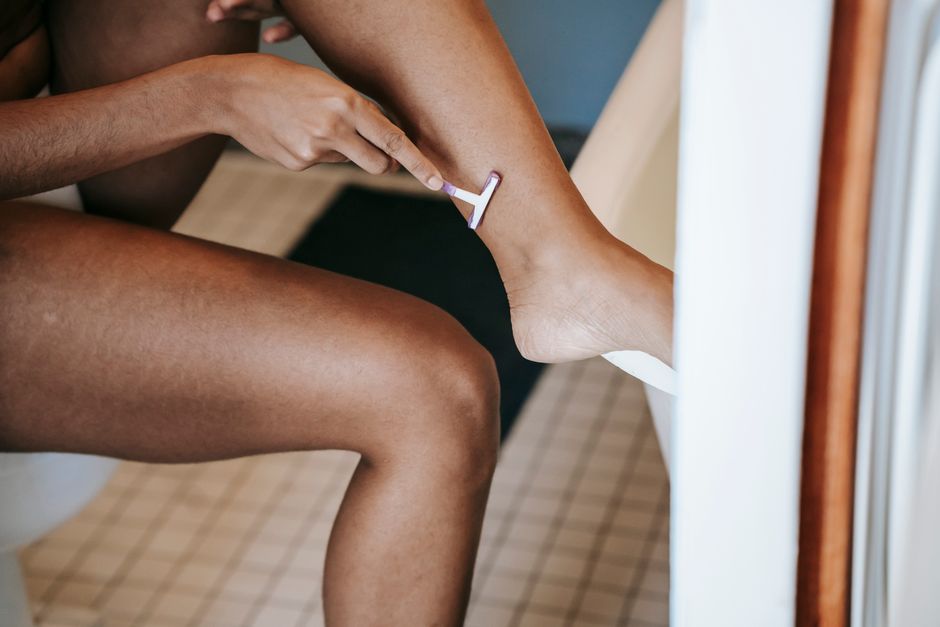
Ingrown hairs happen when a hair curls back or grows sideways into the skin instead of rising up through the follicle. They cause red, sometimes painful bumps that can look like pimples. You can fix most ingrown hairs at home with warm compresses, gentle exfoliation, and sterile tweezers. The real solution, however, is prevention — adjusting how you shave, exfoliate, and care for your skin stops them from forming in the first place.
What Causes Ingrown Hairs?
Ingrown hairs develop when the sharp tip of a freshly cut hair pierces the skin as it tries to grow out. This triggers an inflammatory response, which creates the red bump you see. The condition is technically called pseudofolliculitis barbae when it occurs on the face and neck, and pseudofolliculitis pubis when it occurs in the pubic area.
People with naturally curly hair are more prone to ingrown hairs. Curly hair has a tendency to curve back into the skin after being cut. Tight clothing, thick hair, and any method that cuts hair very short — like a close shave or waxing — all increase the risk.
How To Fix Ingrown Hair Removal Relief And Prevention
The fastest way to relieve an ingrown hair is to encourage it to surface. Apply a warm compress to the area for 10 to 15 minutes. This softens the skin and opens the pore, allowing the trapped hair to move closer to the surface.
Once the hair is visible, you can gently lift it with a sterile needle or tweezers. Do not dig into the skin. Do not pull the hair out completely. The goal is to release the loop of hair from under the skin so it can grow out normally. Pulling it out entirely increases the chance of another ingrown hair forming when it grows back.
If the bump is painful, looks infected, or you cannot see the hair, stop trying to remove it manually. See a dermatologist instead.
Can You Pop an Ingrown Hair Like a Pimple?
No. Squeezing an ingrown hair can push bacteria deeper into the skin and make the inflammation worse. It can also lead to scarring or a secondary bacterial infection.
The bump that forms around an ingrown hair is often just inflammation, not a true pimple filled with pus. If pus is present, it usually means the area is infected. Squeezing it will not solve the underlying problem — the trapped hair is still there.
Instead, use the warm compress method and let the hair work its way out naturally. If the bump does not improve within a few days, a dermatologist can remove it safely with a sterile blade.



What Is the Best Way To Remove a Stubborn Ingrown Hair?
For a stubborn ingrown hair that will not surface on its own, a dermatologist can make a tiny slit in the skin with a sterile needle or scalpel and lift the hair out. This is a quick in-office procedure with minimal discomfort.
At home, you can attempt this yourself only if you see the hair clearly trapped just under the surface. Sterilize a needle or pair of tweezers with rubbing alcohol first. Gently insert the needle under the hair loop and lift upward. If you do not free the hair within a few minutes, stop and seek professional help.
Do not use this method on the face if you are not confident about what you are doing. The face has a rich blood supply and a higher risk of scarring.
What Are the Best Treatments for Ingrown Hairs?
Over-the-counter treatments can speed up healing and reduce inflammation. Products containing salicylic acid or glycolic acid help exfoliate the skin and release trapped hairs. These are chemical exfoliants and are generally gentler than physical scrubs.
Hydrocortisone cream can reduce redness and itching but should only be used for a few days at a time. Prolonged use thins the skin.
For recurring ingrown hairs, prescription options exist. Topical antibiotics treat infected bumps. Retinoid creams like tretinoin help normalize skin cell turnover, which prevents hairs from becoming trapped. Laser hair removal is the most effective long-term solution because it destroys the hair follicle, so no hair grows back to become ingrown.
How To Prevent Ingrown Hairs Before They Start
Prevention is more effective than treatment. The core principle is simple: do not cut hair too short, and remove dead skin cells regularly.
Before shaving, wet the skin with warm water for at least five minutes. This softens the hair and makes it stand up straighter. Use a shaving cream or gel that provides good lubrication. Shave in the direction of hair growth, not against it. A single-blade razor is better than a multi-blade razor for preventing ingrown hairs because it cuts the hair further from the skin surface.
Exfoliate two to three times per week with a gentle scrub or a chemical exfoliant containing salicylic or glycolic acid. This removes the layer of dead skin cells that can trap hairs as they grow.
After shaving, apply a moisturizer or an aftershave that contains a mild antiseptic. Keep the skin hydrated. Dry skin makes it harder for hairs to break through the surface.
Does Shaving Technique Actually Matter?
Yes, technique matters more than most people realize. Shaving against the grain gives a closer shave but leaves a sharper hair tip that is more likely to pierce the skin. Shaving with the grain leaves a slightly longer, blunter hair that grows out more easily.
Stretching the skin tight while shaving also increases the risk of ingrown hairs. When you release the skin, the hair retracts below the surface and can become trapped. Let the skin stay relaxed while you shave.
Replace your razor blade regularly. A dull blade pulls and tugs at the hair, causing an uneven cut that is more likely to grow back into the skin. Most manufacturers recommend replacing the blade every five to seven shaves.
When Should You See a Doctor for an Ingrown Hair?
Most ingrown hairs resolve on their own within one to two weeks. See a doctor if the area becomes increasingly painful, swollen, warm to the touch, or starts draining pus. These are signs of a bacterial infection that may require antibiotics.
Also see a doctor if you develop ingrown hairs frequently in the same area. This is especially important for men who shave their faces and necks. Chronic ingrown hairs can lead to hyperpigmentation — dark spots that persist long after the hair is gone.
In rare cases, a bump that looks like an ingrown hair may actually be something else. If a bump does not heal, changes in appearance, or grows larger over several weeks, a doctor should evaluate it.
Frequently Asked Questions
How long does an ingrown hair take to go away?
Most ingrown hairs resolve within one to two weeks with warm compresses and gentle exfoliation. If it lasts longer than two weeks or becomes more painful, see a doctor.
Does rubbing alcohol help ingrown hairs?
Rubbing alcohol can disinfect the area but it also dries the skin, which can worsen the problem. Use an antiseptic cleanser or plain soap and water instead.
Can ingrown hairs cause permanent scars?
Yes, repeated picking or squeezing can leave permanent dark spots or scars. Treating ingrown hairs gently and preventing them reduces this risk.
Is laser hair removal worth it for ingrown hairs?
Laser hair removal is the most effective long-term treatment for chronic ingrown hairs. It reduces hair growth so significantly that ingrown hairs rarely form, but it requires multiple sessions and is not guaranteed to be permanent.
