
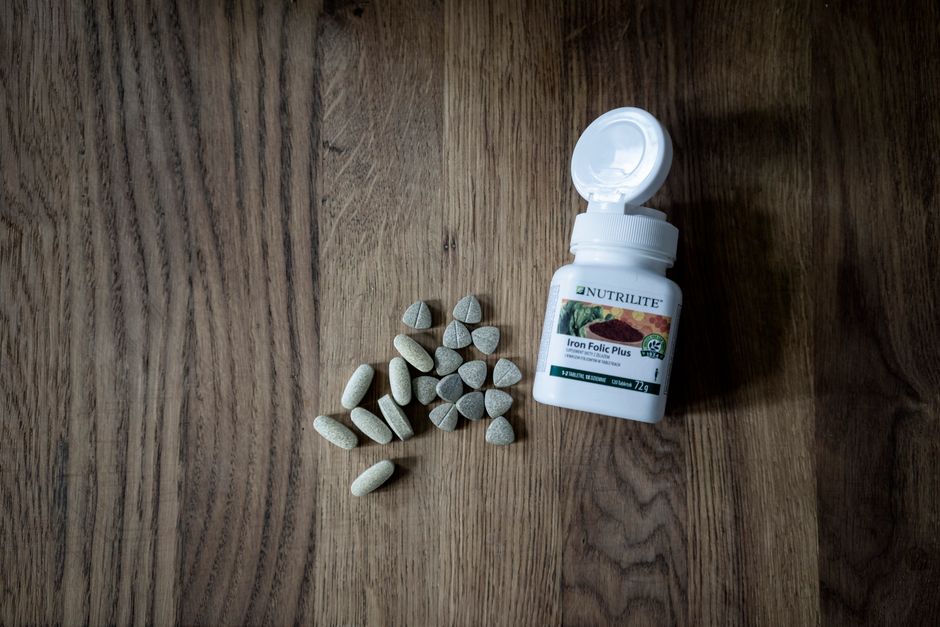
Iron deficiency is the most common nutritional deficiency worldwide, and it can leave you feeling exhausted, foggy, and short of breath. The most effective way to raise low iron levels is to treat the underlying cause while increasing iron intake through both food and, when a clinician recommends it, supplements. Food alone can maintain healthy levels, but once you are deficient, diet changes often are not enough on their own.
Iron is a mineral your body needs to make hemoglobin, the protein in red blood cells that carries oxygen to your tissues. When iron runs low, hemoglobin production drops, and every part of your body feels the effects. Fixing it usually takes a combination of the right foods, smart timing, and sometimes a supplement chosen with medical guidance.
How To Boost Your Iron Levels With Food And Supplements
There are two types of iron in food, and they are not absorbed equally. Heme iron comes from animal sources like red meat, poultry, and fish. Non-heme iron comes from plants like lentils, spinach, and fortified cereals. Your body absorbs heme iron more efficiently than non-heme iron, which is one reason a vegetarian diet requires more planning to meet iron needs.
Vitamin C is the most reliable absorption booster for plant-based iron. Eating iron-rich plant foods alongside a source of vitamin C — citrus, bell peppers, strawberries, tomatoes — can meaningfully increase how much iron you absorb from that meal. This is well established in nutrition research and one of the few dietary strategies with consistent evidence behind it.
On the other side, certain compounds block iron absorption. Tannins in coffee and tea, calcium in dairy, and phytates in whole grains and legumes can all reduce how much iron you take in from a meal. This does not mean you should avoid these foods. It means timing matters. Leaving a gap of at least an hour between an iron-rich meal and coffee, tea, or a calcium supplement helps your body capture more of the iron you eat.
Cooking in cast iron cookware can add small amounts of iron to food, particularly acidic foods like tomato sauce. The amount is modest and hard to predict, so it is a helpful extra rather than a solution on its own.
Which Foods Are Highest In Iron?
Animal sources tend to lead the list because their iron is both plentiful and well absorbed. Organ meats like liver are exceptionally high, though many people avoid them. Red meat, dark poultry, and shellfish such as clams and oysters are strong sources. Fish like sardines and tuna also contribute.
Plant sources can be just as valuable when eaten strategically. Lentils, chickpeas, kidney beans, tofu, spinach, and pumpkin seeds all provide meaningful amounts of non-heme iron. Fortified breakfast cereals are another common source, though the amount varies widely by brand, so checking the label matters.
Here is a rough look at how some common foods compare in iron content. Values are approximate and drawn from standard nutrient databases.
| Food | Approximate Iron | Type |
|---|---|---|
| Beef liver (3 oz) | About 5 mg | Heme |
| Clams (3 oz) | Up to 3 mg | Heme |
| Lean beef (3 oz) | About 2 mg | Heme |
| Lentils (1 cup cooked) | About 6.5 mg | Non-heme |
| Spinach (1 cup cooked) | About 6 mg | Non-heme |
| Tofu (1/2 cup) | About 3 mg | Non-heme |
Notice that some plant foods actually contain more total iron than meat. The catch is absorption. Your body may take in only a small fraction of the iron from plant sources unless vitamin C is present. This is why a lentil dish with a squeeze of lemon or a side of red pepper can deliver more usable iron than the numbers alone suggest.
Do Iron Supplements Actually Work?
Yes, for people who are genuinely deficient. Oral iron supplements are the standard first-line treatment for iron deficiency anemia in most clinical settings, and research consistently shows they raise hemoglobin and replenish iron stores when taken consistently. The evidence here is strong for documented deficiency.
The picture is different for people who are not deficient. Taking iron when your levels are normal does not improve energy, athletic performance, or concentration in most people. Several studies have looked at iron supplementation in non-deficient individuals and found little to no benefit. Iron is not a general tonic. It is a treatment for a specific problem.
There are two common forms of supplemental iron. Ferrous iron, including ferrous sulfate, is absorbed well but more likely to cause stomach upset, constipation, and nausea. Ferrous bisglycinate and other chelated forms tend to be gentler on the stomach, though they may cost more. Some people tolerate one form far better than another, and switching forms is a reasonable conversation to have with a clinician.
Dosing is not something to guess at. The right amount depends on your age, the severity of your deficiency, whether you are pregnant, and what caused the problem. A clinician typically determines this based on blood tests, and self-prescribing high doses can cause harm. Iron overload is a real risk, particularly for people with certain genetic conditions like hemochromatosis.





What Causes Low Iron In The First Place?
Iron deficiency almost always has a cause, and finding it matters as much as treating the deficiency itself. In menstruating women, heavy periods are a leading cause. In men and postmenopausal women, blood loss from the digestive tract is a common and important cause that needs proper evaluation.
Other contributors include low dietary intake, poor absorption from conditions like celiac disease or after certain surgeries, pregnancy and breastfeeding, and frequent blood donation. Some medications that reduce stomach acid can also impair iron absorption. Endurance athletes, particularly runners, sometimes develop low iron from a mix of foot-strike red blood cell breakdown and dietary shortfalls.
This is worth repeating: if you are a man or a postmenopausal woman with iron deficiency and no obvious explanation, a clinician will usually want to look for a source of blood loss. This is standard practice, not alarmism. Iron deficiency can be the first sign of a gastrointestinal problem that needs attention.
How Long Does It Take To Fix Low Iron?
Symptoms often start to improve within a few weeks of starting treatment, but restoring your iron stores takes longer. Hemoglobin typically rises over several weeks to a couple of months with consistent supplementation. Rebuilding ferritin, the protein that stores iron, can take several months of continued treatment after hemoglobin normalizes.
This timeline is why stopping treatment as soon as you feel better is a common mistake. Feeling better is not the same as being replete. Many clinicians continue supplementation for a period after levels normalize to refill stores, and follow-up blood tests confirm whether the plan is working.
If your levels are not improving despite treatment, that usually points to one of a few things: the dose is too low, absorption is impaired, there is ongoing blood loss, or the supplement is not being taken consistently. Each of these has a different fix, which is why follow-up testing matters.
What Makes Iron Supplements Hard To Tolerate?
Stomach upset is the most common reason people stop taking iron. Constipation, nausea, dark stools, and abdominal discomfort are frequent complaints. The dark stools are expected and not dangerous on their own, though any bleeding should be reported.
Several strategies can help. Taking iron with a small amount of food reduces nausea but also reduces absorption, so it is a trade-off. Taking it every other day rather than daily is a strategy some clinicians recommend, based on evidence that less frequent dosing may actually improve absorption by avoiding a spike in a hormone called hepcidin that blocks further iron uptake. This is an area where practice is evolving, so it is worth asking your clinician what schedule fits your situation.
Liquid iron preparations and chelated forms are options for people who cannot tolerate standard tablets. Some people find that splitting the dose across the day helps. Vitamin C taken with the supplement can improve absorption, while coffee, tea, and calcium should be separated by at least an hour.
Frequently Asked Questions
Can I raise my iron levels with food alone?
Food alone can maintain healthy iron levels and may help with mild deficiency, but once you are significantly deficient, diet changes are usually not enough on their own. Most people with diagnosed iron deficiency anemia need supplementation alongside dietary changes.
What should I avoid taking with iron supplements?
Coffee, tea, calcium supplements, and dairy can reduce iron absorption, so it helps to separate them from your iron dose by at least an hour. Vitamin C does the opposite and can improve absorption when taken together.
How long until I feel better after starting iron?
Many people notice symptom improvement within a few weeks, but it can take a couple of months for hemoglobin to normalize. Rebuilding your stored iron often takes several more months of continued treatment.
Is it safe to take iron supplements without a blood test?
No, taking iron without confirming deficiency is not recommended because excess iron can accumulate and cause harm. A blood test is the standard way to confirm whether you actually need supplementation.
