
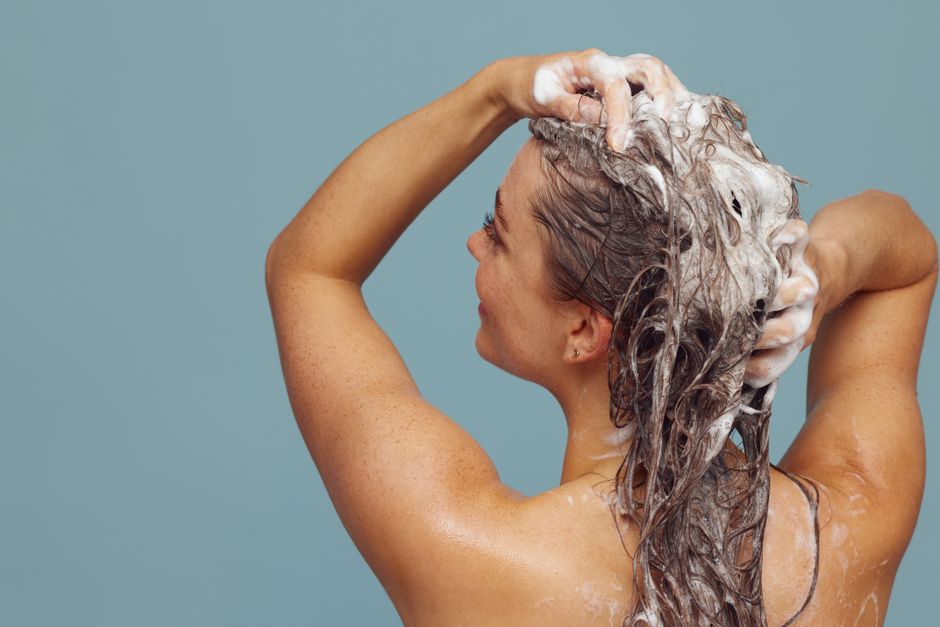
Blow drying your hair does not have to mean damage, frizz, or split ends. The difference between a good blowout and a bad one comes down to technique, heat control, and preparation. You can dry your hair safely at home by using the right tools, protecting your strands before heat touches them, and moving the dryer in a consistent downward motion. The goal is to dry the hair cuticle flat and smooth, which creates shine and reduces breakage.
What Is the Safest Way to Blow Dry Hair?
The safest method starts before you ever turn the dryer on. Hair is weakest when it is wet, so rough handling at this stage causes the most damage. Gently squeeze excess water out with a microfiber towel. Do not rub the hair vigorously with a standard towel, as this roughs up the cuticle and leads to frizz.
Apply a heat protectant product to damp hair. These products coat the strand and reduce moisture loss during drying. Look for a product that lists heat protection as its primary purpose. Most stylists agree that skipping this step is the fastest way to see split ends and dullness over time.
Set the dryer to medium heat with medium airflow. High heat does not dry hair faster in a meaningful way. It only increases the risk of cooking the protein in your hair, which causes permanent damage. Medium heat takes a little longer but leaves hair healthier.
Keep the dryer nozzle about six inches away from your hair at all times. Holding it closer concentrates heat on one spot. This can raise the temperature of the hair shaft enough to cause bubbles inside the strand, which weakens it from within.
Should You Blow Dry Hair Completely Wet or Partially Dry?
Start with hair that is about 70 to 80 percent dry before you pick up a round brush. Hair that is soaking wet cannot hold a style, and the brush will pull and stretch the strand. Stretching wet hair is a major cause of breakage.
Use your fingers or a wide-tooth comb to rough-dry the hair until it is mostly dry. This removes the bulk of the moisture without tension. Once the hair feels damp rather than wet, switch to a brush and the nozzle attachment for the final styling pass.
This two-step method has a practical benefit. It cuts down the total time the hair is exposed to concentrated heat. Less heat exposure means less cumulative damage, even if the overall drying time is similar.
What Is the Correct Brush Technique for Blow Drying?
The direction of your brush stroke matters more than most people realize. The hair cuticle has tiny overlapping scales. When these scales lie flat, the hair reflects light and looks shiny. When they are lifted, the hair looks dull and feels rough.
Always pull the brush downward from the roots to the ends. This presses the cuticle flat. If you move the brush up and down or in circles, you lift the cuticle and create frizz. The dryer should follow the brush in the same downward direction, so the airflow pushes the cuticle down as well.
Work in small sections. A section wider than about two inches will not dry evenly from the inside out. You will end up with hair that feels dry on the outside but is still damp at the core. This dampness causes the style to fall flat within an hour.
For volume at the roots, lift the hair upward with the brush and direct the airflow at the root area for a few seconds. Then pull the brush downward to smooth the rest of the strand. This gives lift at the scalp without roughing up the entire length of the hair.



Which Blow Dryer Settings Should You Use for Different Hair Types?
Fine hair needs less heat and less time. Use the lowest heat setting that still dries the hair. High heat on fine hair can cause immediate damage because the strand is thin and heats up quickly. Start on low heat and only increase if the drying time becomes unreasonable.
Thick or coarse hair can tolerate higher heat, but it still needs a heat protectant. The benefit of higher heat here is practical. Coarse hair holds moisture longer, and low heat may take over twenty minutes to dry. Medium to high heat with constant motion is acceptable for this hair type.
Curly or coily hair requires the most care. The natural bends in the hair create weak points where breakage easily occurs. Use the lowest heat setting and a diffuser attachment. The diffuser spreads the airflow over a larger area, which reduces the force of the air hitting the hair. This prevents the cuticle from being blasted open.
Here is a simple breakdown of settings by hair type:
- Fine or thin hair: Low heat, low airflow, quick drying time
- Medium or normal hair: Medium heat, medium airflow
- Thick or coarse hair: Medium to high heat, high airflow
- Curly or coily hair: Low heat, low airflow, diffuser attachment
How Can You Prevent Heat Damage While Blow Drying?
Heat damage is cumulative. Each time you dry your hair, you lose a small amount of moisture from the strand. Over months and years, this loss adds up. The hair becomes brittle, loses elasticity, and develops split ends that travel up the shaft.
The most effective way to prevent this is to reduce how often you blow dry. Air drying is always gentler, but it is not always practical. If you blow dry daily, consider alternating with air drying on weekends or days when you do not need a polished look.
When you do blow dry, keep the dryer moving constantly. Never hold it stationary over one section. Even with medium heat, a stationary dryer can raise the temperature of the hair enough to cause damage within seconds.
Finish with a cool shot of air. Most dryers have a cold button. Use it for the last few seconds on each section. The cold air sets the hair cuticle in its flat, smooth position. This adds shine and helps the style hold longer. It does not damage the hair, and it takes almost no extra time.
Some research suggests that ionic dryers reduce drying time by breaking down water molecules faster. This means less total heat exposure. The evidence is not definitive for all hair types, but many users report less frizz with ionic technology. It is a reasonable feature to look for, but it does not replace good technique.
How Often Should You Blow Dry Your Hair?
There is no single number that works for everyone. The answer depends on your hair type, your styling needs, and how well you protect the hair during drying. A person with fine hair who uses low heat and a protectant can dry daily with minimal visible damage. A person with dry, color-treated hair may see damage after just a few sessions per week.
The honest position is that less is better. Hair has no way to repair itself. Once the protein structure is damaged by heat, it stays damaged until the hair grows out and is cut off. This is why heat damage is so frustrating. You cannot reverse it with conditioners or masks, no matter what the product label claims.
If you notice your hair feels straw-like, snaps easily, or has many split ends, reduce your blow drying frequency. Give the hair a break for several weeks. This will not fix existing damage, but it will prevent further harm while the damaged sections grow out.
What Mistakes Ruin a Blowout?
The most common mistake is using too high a heat setting. People assume that hotter air dries hair faster, so they turn the dial all the way up. The reality is that the hair only absorbs a limited amount of heat before the moisture inside starts to boil. That boiling point is where the damage happens.
Another frequent error is drying the hair in the wrong direction. Blowing air upward from underneath the hair lifts the cuticle. This creates frizz and makes the hair look dull, even if you use the most expensive dryer on the market. Always direct the airflow downward, from the roots toward the ends.
Drying hair in large, thick sections is also a mistake. You end up passing the dryer over the same spot repeatedly while the inside of the section stays wet. This doubles the heat exposure without improving the result. Smaller sections dry faster overall because each pass is effective.
Finally, do not forget to clean the lint filter on your dryer. A clogged filter reduces airflow, which makes the dryer run hotter to compensate. This is a silent source of heat damage. Check the filter monthly and remove any buildup with your fingers or a soft brush.
Frequently Asked Questions
What temperature should I use to blow dry my hair?
Use medium heat for most hair types. Fine hair should use low heat, and very thick hair can tolerate high heat but only with a heat protectant.
How long should it take to blow dry hair?
A typical blowout takes 10 to 20 minutes depending on hair length and thickness. If it takes much longer, your sections may be too large or the hair may not be towel-dried enough before you start.
Is it better to air dry or blow dry hair?
Air drying is gentler on the hair because it involves no heat. Blow drying is acceptable when done with low to medium heat, a protectant product, and proper technique.
Can blow drying cause permanent hair loss?
Blow drying does not cause permanent hair loss. It can cause breakage at the shaft, which makes hair look thinner, but it does not damage the follicle where new hair grows.
