
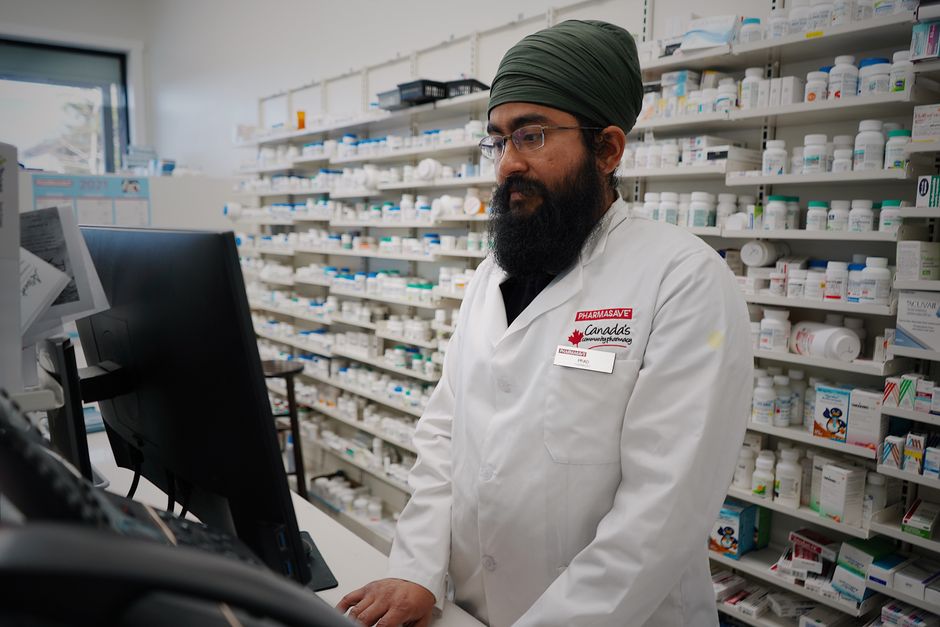
Becoming a pharmacist is a serious commitment of time, money, and study. It typically takes six to eight years of college education, followed by a license exam. The financial payoff is strong, with most pharmacists earning a six-figure salary. If you are organized, strong in science, and want a stable healthcare career, pharmacy is a proven path. Here is exactly what it takes, what it costs, and what you will earn.
What Are the Educational Requirements to Become a Pharmacist?
The standard path is a Doctor of Pharmacy degree, known as a Pharm.D. This is a professional doctorate, not a bachelor’s degree. You cannot skip the Pharm.D. and work as a pharmacist.
Most students complete two to three years of undergraduate coursework before applying to a Pharm.D. program. You do not need a bachelor’s degree to apply to most programs, but you do need specific prerequisite classes. These usually include general chemistry, organic chemistry, biology, physics, and mathematics. Some programs also require anatomy, physiology, and microbiology.
You must take the Pharmacy College Admission Test, called the PCAT, for most schools. Some schools have dropped this requirement in recent years, so check each program’s current rules.
The Pharm.D. program itself takes four years. The first two years focus on classroom science. You study pharmacology, medicinal chemistry, and drug interactions. The last two years are mostly clinical rotations. You work in hospitals, community pharmacies, and clinics under the supervision of licensed pharmacists. This is where you learn to apply the science to real patients.
What Licensure Exams Are Required?
Graduating with a Pharm.D. does not make you a pharmacist. You must pass a national licensing exam and meet state-specific requirements.
The main exam is the North American Pharmacist Licensure Examination, called the NAPLEX. It tests your knowledge of pharmacy practice and drug therapy. Most states also require the Multistate Pharmacy Jurisprudence Examination, called the MPJE. This exam tests your knowledge of the pharmacy laws in your specific state.
Some states require additional exams or practical assessments. You will also need to complete a certain number of internship hours. These hours are often built into your clinical rotations during pharmacy school. After you pass your exams and complete the hours, you can apply for your state license.
Licenses are not permanent. You must complete continuing education courses every year or two to renew your license. The exact requirement depends on your state.
How Long Does It Take to Become a Pharmacist?
The shortest common path is six years. This includes two years of prerequisite coursework and four years of the Pharm.D. program. Many students take longer because they complete a full bachelor’s degree first, which adds two to four years.
There are also accelerated Pharm.D. programs. These compress the four-year pharmacy curriculum into three years. They are intense and require year-round study. They are a good option if you are certain about pharmacy and want to start earning sooner.
Some schools offer combined programs. You can enter a six-year or seven-year program right out of high school. These guarantee you a spot in the Pharm.D. program if you maintain the required grades during your undergraduate years.





How Much Does Pharmacy School Cost?
Pharmacy school is expensive. Public in-state programs charge lower tuition than private or out-of-state programs. The total cost of a four-year Pharm.D. can range widely depending on the school and your residency status.
For public schools, in-state tuition typically runs between $20,000 and $40,000 per year. Out-of-state and private schools often charge $40,000 to $60,000 per year or more. Over four years, the total tuition can easily reach $150,000 to $250,000.
That figure does not include living expenses, books, or exam fees. Most students take out federal loans to cover these costs. It is common for new pharmacists to graduate with $150,000 or more in student loan debt.
Before you apply, research the actual tuition at each school. Look at the school’s published cost of attendance. Factor in interest on loans. Pharmacy salaries are good, but they are not unlimited. Your debt-to-income ratio matters.
How To Become A Pharmacist Requirements Salary: What Can You Earn?
The median annual wage for pharmacists in the United States is around $130,000. This figure comes from federal labor data. Half of pharmacists earn more than this, and half earn less.
Entry-level pharmacists often start around $100,000 to $115,000 per year. Experienced pharmacists in hospital management or specialized clinical roles can earn more than $150,000. Retail pharmacy chains and hospital systems are the two largest employers.
Location matters significantly. Pharmacists in rural areas or states with pharmacist shortages may earn higher salaries. Pharmacists in large cities with many graduates may see lower starting offers. The job market is competitive in some regions, particularly on the coasts.
Your salary also depends on the setting. Hospital pharmacists often earn more than retail pharmacists, but hospital jobs can be harder to get. Retail pharmacists may receive bonuses or profit-sharing, which can increase total compensation.
Is Pharmacy a Growing Field?
The job outlook for pharmacists is stable but not booming. The number of pharmacy schools has increased over the past two decades, which means more graduates. This has made the job market more competitive in some areas.
Retail pharmacy chains have faced pressure from mail-order pharmacies and automated dispensing. Some chains have closed locations. However, the demand for pharmacists remains steady because of the aging population. Older adults take more medications, which requires more pharmacist oversight.
New roles are emerging. Pharmacists now provide immunizations, conduct medication therapy management, and manage chronic diseases like diabetes and high blood pressure. Some states allow pharmacists to prescribe certain medications directly. These expanded roles may create new job opportunities.
The Bureau of Labor Statistics projects that pharmacist employment will grow more slowly than the average for all occupations. This is not a field where you can assume unlimited job openings. You will need to be flexible about location and willing to work in different settings.
What Skills Do You Need Beyond the Degree?
Pharmacy is a people-facing profession. You need strong communication skills to explain complex drug information to patients and doctors. You need attention to detail because medication errors can be dangerous.
You should be comfortable with technology. Pharmacists use electronic health records, automated dispensing systems, and drug interaction software daily. You need to be accurate and fast, especially in busy retail settings.
Problem-solving is essential. Patients often have multiple conditions and take multiple medications. You need to identify potential interactions and recommend safer alternatives. You also need to handle insurance issues, prior authorizations, and prior authorization denials.
Emotional resilience matters. Patients may be frustrated about drug costs or side effects. You will see people at their most vulnerable. You need to remain calm, professional, and helpful.
Frequently Asked Questions
How many years of college do you need to become a pharmacist?
You need six to eight years. The minimum is two years of prerequisites plus four years of pharmacy school. Completing a bachelor’s degree first adds two to four more years.
Is it hard to get into pharmacy school?
It is competitive. You need strong grades in science courses and a competitive PCAT score. Acceptance rates vary by school, but a GPA below 3.0 will make admission difficult.
Do pharmacists earn more than nurses?
Pharmacists generally earn more. The median pharmacist salary is around $130,000, while the median for registered nurses is lower. However, nursing can be a shorter and less expensive path to a healthcare career.
Can you become a pharmacist without a bachelor’s degree?
Yes. Most Pharm.D. programs accept students after two to three years of undergraduate coursework. You do not need a bachelor’s degree to apply to most programs.
