
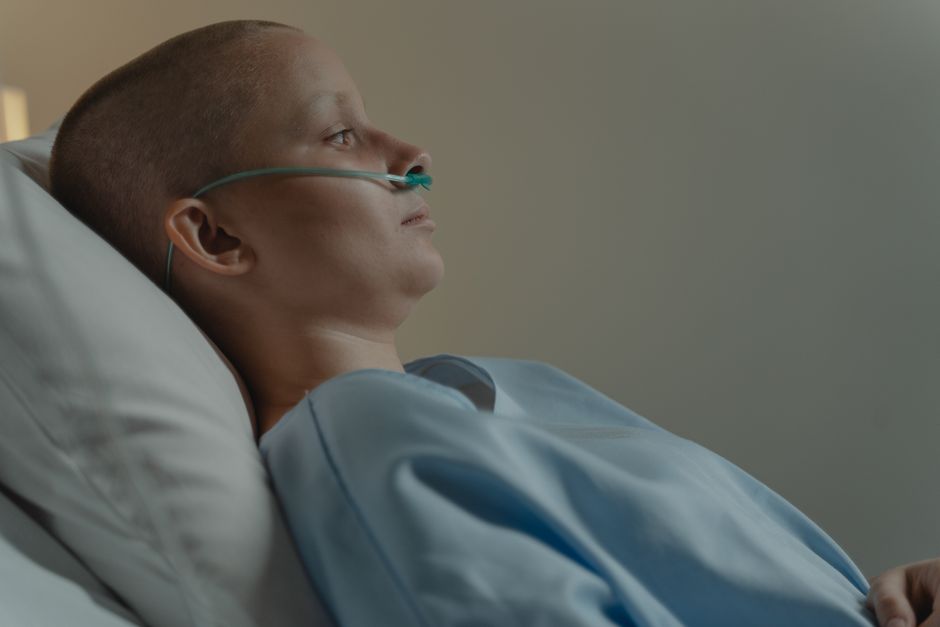
You want to become a palliative care nurse practitioner, but the path is not always clear. This role requires you to first become a registered nurse (RN), then earn a graduate degree as a nurse practitioner (NP), and finally gain specialized experience or certification in palliative care. The journey takes about six to eight years of education and clinical training, but it leads to a deeply meaningful career helping patients with serious illness live as comfortably as possible.
What Exactly Does a Palliative Care Nurse Practitioner Do?
Palliative care nurse practitioners focus on relieving suffering and improving quality of life for people with serious, often chronic illnesses. This is different from hospice care. Hospice is for the final months of life. Palliative care can begin at any stage of a serious illness, even while a patient is still receiving curative treatment.
In a typical day, you might manage complex pain, help control nausea or shortness of breath, and have long conversations with families about what matters most to the patient. You prescribe medications, order tests, and coordinate care with a team of doctors, social workers, and chaplains. The American Association of Colleges of Nursing reports that nurse practitioners with this specialty are in high demand as the population ages.
The emotional weight of this work is real. You witness suffering regularly. But many nurses in this field describe it as less stressful than other specialties because you have time to build relationships with patients and their families. You are not rushing from room to room. You are listening.
How To Become A Palliative Care Nurse Practitioner: The Step-by-Step Path
The first step is becoming a registered nurse. You need either an Associate Degree in Nursing (ADN) or a Bachelor of Science in Nursing (BSN). Most graduate programs require a BSN, so that is the more direct route. The BSN takes about four years. An ADN takes two to three years, but you will need to complete a BSN later if you want to advance.
After earning your RN license by passing the NCLEX exam, you must gain clinical experience. Most graduate nursing programs want at least one to two years of bedside nursing experience before you apply. Working in an intensive care unit, oncology, or a medical-surgical floor gives you a strong foundation for palliative care.
Next comes a master’s degree (MSN) or doctoral degree (DNP) as a nurse practitioner. You choose a population focus such as adult-gerontology or family practice. During your graduate program, you complete clinical rotations and coursework in palliative care principles. After graduation, you pass a national certification exam for your NP specialty. Then you apply for state licensure.
The final step is earning the Advanced Certified Hospice and Palliative Nurse (ACHPN) credential through the Hospice and Palliative Credentialing Center. This requires at least 500 hours of direct palliative care experience within the past three years and passing a certification exam. Some nurses complete this during their NP training. Others do it after a few years on the job.
What Research Shows About the Demand and Reality of This Career
The Bureau of Labor Statistics projects that nurse practitioner jobs will grow by 45 percent from 2022 to 2032. That is much faster than average for all occupations. Palliative care specifically is growing because more hospitals and clinics are building these programs. The Center to Advance Palliative Care reports that over 70 percent of US hospitals with 50 or more beds now have a palliative care team.
Research published in the Journal of Palliative Medicine found that palliative care nurse practitioners report high job satisfaction compared to other nursing specialties. The autonomy to manage symptoms and make clinical decisions is a major factor. However, the same study noted that emotional exhaustion is a real risk. Self-care and strong team support are not optional in this field. They are survival tools.
Salary data from the American Association of Nurse Practitioners shows that palliative care NPs earn a median annual salary of around $115,000 to $130,000, depending on location and experience. This is competitive with other NP specialties. The pay reflects the complexity of the patient population and the level of responsibility.





Common Misconceptions About Palliative Care Nursing
The biggest myth is that palliative care is the same as hospice. This is not true. Palliative care is appropriate at any stage of a serious illness. A patient undergoing chemotherapy for cancer can receive palliative care to manage side effects. A person with advanced heart failure can receive palliative care while still taking medications to extend life. Hospice is specifically for patients who are no longer seeking curative treatment and have a life expectancy of six months or less.
Another misconception is that this work is depressing. Many nurses report the opposite. You are not fixing everything, but you are making a real difference in someone’s comfort and dignity. The conversations are hard, but the gratitude from families is profound. The work is emotionally demanding, but it is not hopeless. Most days, you leave knowing you helped someone suffer less.
Some people believe you need a special personality to do this job. That is overblown. You need good listening skills, the ability to stay calm during emotional conversations, and a willingness to learn about pain management. These are skills you can build. You do not have to be born with them.
Education and Certification Requirements Compared
The following table compares the main educational pathways to becoming a palliative care nurse practitioner. This will help you decide which route fits your current situation.
| Pathway | Time to Complete | Requirements | Certification Needed |
|---|---|---|---|
| ADN to MSN | 4-6 years | ADN, RN license, bridge program to MSN | NP certification + ACHPN |
| BSN to MSN | 3-4 years | BSN, RN license, direct entry to MSN | NP certification + ACHPN |
| BSN to DNP | 4-5 years | BSN, RN license, direct entry to DNP | NP certification + ACHPN |
| Accelerated BSN to MSN | 3-4 years | Non-nursing bachelor’s degree, accelerated BSN, then MSN | NP certification + ACHPN |
The DNP is becoming the preferred degree for new nurse practitioners. Some states require it for licensure. The ACHPN certification is not legally required to practice palliative care, but most employers expect it. It is the gold standard credential in this field.
What To Avoid When Pursuing This Career
Do not skip the bedside nursing experience. Some nurses try to move directly from a BSN program into a graduate NP program without working as an RN first. Graduate programs may accept you, but you will lack the clinical instincts that only come from hands-on patient care. The best palliative care NPs I have met spent at least two years in direct patient care before starting their graduate education.
Do not choose a graduate program that lacks a palliative care focus. Some NP programs offer only a general curriculum with one elective course in palliative care. You want a program with dedicated clinical rotations in palliative settings. Ask admission counselors directly how many clinical hours their students complete in hospice or palliative care. If the answer is vague, keep looking.
Do not assume you can learn pain management on the job. Pain and symptom management is a complex skill that requires formal training. The medications used in palliative care include opioids, anticonvulsants, and antidepressants for nerve pain. Dosing is different than in acute care. The risk of harming a patient through improper prescribing is real. Take every available course on pain pharmacology during your training.
Do not ignore the emotional preparation. This work exposes you to death and grief regularly. Many palliative care NPs benefit from their own counseling or peer support groups. It is not a sign of weakness. It is a sign that you understand the weight of the work.
What a Typical Day Looks Like in This Role
A palliative care NP usually works in a hospital, outpatient clinic, or home health setting. In a hospital, you see patients referred by other doctors. You review their medical history, examine them, and talk with the family. You adjust medications for pain, nausea, anxiety, or shortness of breath. You document everything thoroughly because the medical record is how the rest of the team communicates.
In an outpatient clinic, you see scheduled patients for follow-up visits. You monitor how well symptom management plans are working. You adjust treatments as the disease progresses. You coordinate with primary care doctors and specialists to ensure the patient’s goals are respected.
Home health palliative care involves driving to patients’ homes. This gives you a clearer picture of their living situation and support system. You see what challenges they face daily. Many nurses find this setting the most rewarding because you see the full context of a patient’s life.
The paperwork is significant. Prior authorizations for medications, insurance billing, and care coordination notes take up a portion of every day. This is true of any NP role. Do not let anyone tell you this job is all patient interaction. There is administrative work, and it is substantial.
Frequently Asked Questions
How long does it take to become a palliative care nurse practitioner?
It typically takes six to eight years after high school, including a BSN, RN experience, and a graduate NP program.
Do I need a doctorate to become a palliative care NP?
Not always, but the DNP is becoming the standard and some states require it for NP licensure.
Can I become a palliative care NP without working as a nurse first?
No, you need RN licensure and clinical experience before entering a graduate NP program.
Is palliative care nursing the same as hospice nursing?
No, palliative care supports patients at any stage of serious illness, while hospice is for end-of-life care only.
