
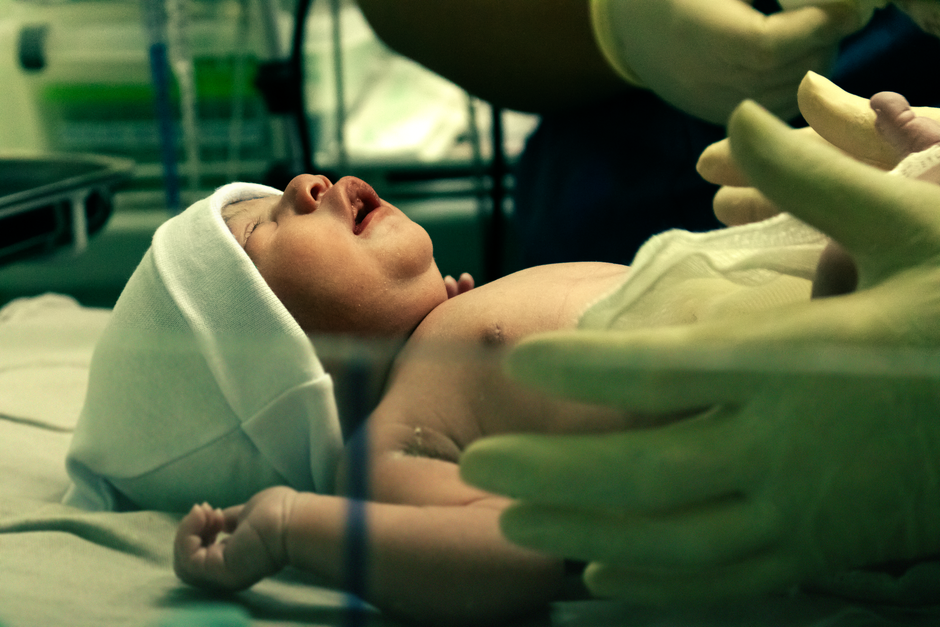
Becoming a Neonatal Nurse Practitioner (NNP) requires a Master of Science in Nursing (MSN) or a Doctor of Nursing Practice (DNP) with a neonatal specialty, followed by national certification. The median annual salary for NNPs is approximately $126,000, though this varies by location, experience, and setting. The path typically takes 6-8 years after high school: earning a Bachelor of Science in Nursing (BSN), gaining 2-3 years of neonatal intensive care unit (NICU) experience, completing an accredited NNP graduate program, and passing the National Certification Corporation (NCC) exam.
What Are the Exact Steps to Become a Neonatal Nurse Practitioner?
The path is structured and non-negotiable in its core requirements. You cannot skip the clinical experience step — this is where most applicants are filtered out.
First, you need a BSN from an accredited program and must pass the NCLEX-RN to become a registered nurse. Second, you must work in a Level III or Level IV NICU for at least two years. Most competitive graduate programs expect three years. Third, you complete an accredited NNP graduate program — either an MSN (typically 2-3 years) or a DNP (3-4 years). Fourth, you pass the NCC Neonatal Nurse Practitioner certification exam. Fifth, you apply for state licensure as an advanced practice registered nurse (APRN).
Some programs offer accelerated options for nurses who already hold a non-nursing bachelor’s degree. These programs combine BSN and MSN coursework but still require the clinical hours. The total time commitment is rarely less than six years from starting nursing school.
How Much Do Neonatal Nurse Practitioners Actually Earn?
The Bureau of Labor Statistics (BLS) groups NNPs under nurse practitioners, reporting a median annual wage of $126,260 as of 2023. However, NNP-specific salary data from nursing salary surveys shows a tighter range.
According to the 2023 NNP Salary Survey by the National Association of Neonatal Nurses (NANN), the median base salary for full-time NNPs was $130,000. The bottom 10% earned around $100,000, while the top 10% earned above $160,000. Geographic location is the strongest factor. NNPs in California, New York, and Massachusetts earn 20-30% more than those in the Midwest or Southeast.
Experience matters significantly. NNPs with 5-10 years of experience earn roughly 15% more than those in their first two years. Shift differentials for nights and weekends add another $5,000-$15,000 annually. Academic medical centers often pay less than private practice or hospital-employed groups, but they offer better benefits and loan forgiveness programs.
What NICU Experience Is Required Before Applying?
This is the most frequently misunderstood step. Many aspiring NNPs assume any nursing experience qualifies. It does not.
Graduate programs require direct NICU experience — not pediatrics, not labor and delivery, not mother-baby. You need to demonstrate competency in caring for critically ill neonates, including managing ventilators, administering IV medications, and responding to codes. Programs typically require 2,000-3,000 hours of NICU experience before application.
A Level III or Level IV NICU is the standard. Level III units provide comprehensive care for infants born before 32 weeks or with complex medical conditions. Level IV units are regional centers that also offer surgical repair and advanced subspecialty support. Working in a Level II special care nursery will not meet the requirement for most programs.
Some programs allow NICU experience to be completed concurrently with graduate coursework, but this is rare. The safer path is to accumulate the hours before applying. Programs that accept concurrent experience often require a letter from your NICU manager confirming you will remain employed there throughout the program.





What Does a Neonatal Nurse Practitioner Do Daily?
The scope of practice varies by state and hospital policy, but the core responsibilities are consistent across settings. NNPs manage the medical care of newborns in the NICU, from stable infants to those requiring intensive life support.
Daily tasks include performing physical exams, ordering and interpreting lab work and imaging, prescribing medications, adjusting ventilator settings, performing procedures like umbilical line placement and lumbar punctures, and counseling families. NNPs work independently in many states but collaborate with neonatologists in others. In Level IV units, NNPs often lead resuscitation teams for high-risk deliveries.
The job requires making rapid decisions with incomplete information. A 24-week premature infant can decompensate in minutes. NNPs must differentiate between respiratory distress syndrome, sepsis, and congenital heart disease — all of which can present similarly in newborns. This is not a role for someone who needs time to deliberate. The cognitive load is high, and the emotional toll of caring for critically ill infants and their families is significant.
| Setting | Typical Patient Acuity | Autonomy Level | Common Procedures |
|---|---|---|---|
| Level III NICU | Moderate to high | High (with neonatologist backup) | Intubation, chest tubes, umbilical lines |
| Level IV NICU | Highest acuity | Very high (surgical back-up available) | ECMO management, surgical co-management |
| Community Hospital | Low to moderate | Moderate (neonatologist on call) | Delivery room resuscitation, transport stabilization |
| Outpatient Follow-up | Low | Independent | Developmental assessments, growth monitoring |
Which NNP Programs Are Accredited and How Do You Choose One?
Accreditation is non-negotiable. Only graduates of programs accredited by the Accreditation Commission for Education in Nursing (ACEN) or the Commission on Collegiate Nursing Education (CCNE) are eligible to sit for the NCC certification exam. Attending an unaccredited program means you cannot become certified.
There are approximately 40 accredited NNP programs in the United States. Most are offered in hybrid format — online didactic coursework with in-person clinical placements. Some require on-campus intensives for simulation training. Programs range from 18 months full-time to 3 years part-time.
When choosing a program, look at three factors: clinical placement support, board pass rates, and program length. Programs that help arrange clinical preceptors are worth more than those that leave you to find your own. The NCC publishes pass rates by program — anything above 90% is strong. Avoid programs that cannot provide this data.
Cost varies widely. Public university programs cost $25,000-$50,000 total. Private programs can exceed $80,000. Some employers offer tuition reimbursement if you commit to working for them after graduation. This is worth exploring before taking on debt.
What Are Common Misconceptions About This Career Path?
The biggest myth is that NNP is an easy upgrade from NICU nursing. It is not. The graduate curriculum includes advanced pathophysiology, pharmacology, and clinical decision-making that requires a different cognitive framework than bedside nursing. Many experienced NICU nurses struggle with the transition because they must shift from following orders to writing them.
Another misconception is that NNPs earn significantly more than NICU nurses. The difference is real but smaller than many assume. A senior NICU nurse with overtime can earn $100,000-$110,000. A new NNP starts around $110,000-$120,000. The salary gap widens after 5-7 years, but the initial jump is modest when you account for graduate school debt and lost income during school.
Some people believe NNPs only work with premature infants. In reality, full-term infants with birth injuries, congenital anomalies, or infections also require NNP care. The patient population spans from 22-week micropreemies to 42-week newborns with surgical needs.
- NNPs do not replace neonatologists — they work alongside them as part of a team.
- NNP scope of practice varies by state — some require collaborative agreements with physicians.
- NNP certification must be renewed every 3 years through continuing education and clinical practice hours.
- NNPs cannot work independently in all settings — some hospitals restrict their procedural privileges.
Frequently Asked Questions
How long does it take to become a neonatal nurse practitioner?
It takes 6-8 years after high school: 4 years for a BSN, 2-3 years of NICU experience, and 2-3 years for a graduate program.
Can you become a neonatal nurse practitioner without NICU experience?
No. Accredited graduate programs require at least 2 years of Level III or Level IV NICU experience before admission.
What is the highest paying state for neonatal nurse practitioners?
California pays the highest, with average salaries exceeding $160,000 according to BLS data and NANN salary surveys.
Do neonatal nurse practitioners deliver babies?
NNPs attend high-risk deliveries to resuscitate and stabilize newborns but do not perform deliveries — that is the role of obstetricians and midwives.
