
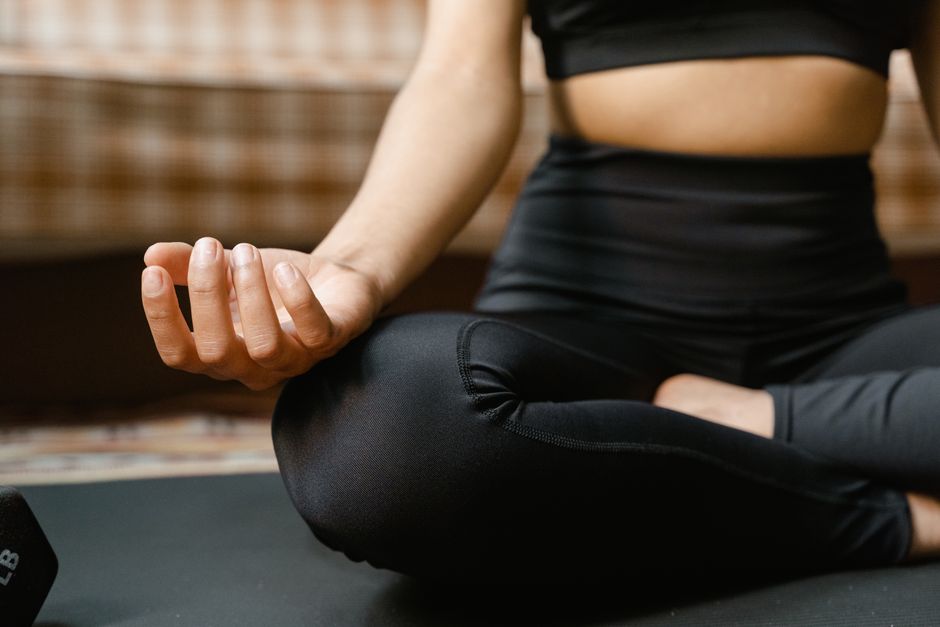
Calm is not a personality trait you are born with. It is a set of physical and mental skills that respond to practice, and most people can get measurably better at them. The core of staying composed every day comes down to three things: steadying your breathing, managing what you pay attention to, and preparing your body so it is not already on edge before stress arrives. None of these require special talent. They require repetition.
What Actually Happens in Your Body When You Get Stressed?
Your nervous system runs a fast alarm system. When your brain senses a threat — a tense email, a near-miss in traffic, a difficult conversation — it triggers the release of hormones including adrenaline and cortisol. Your heart rate climbs, breathing speeds up, muscles tighten, and attention narrows onto the perceived threat.
This response is not a flaw. It is designed to help you react quickly. The problem is that the same system fires for psychological stress as it does for physical danger, and it does not always switch off cleanly.
The counterweight to this alarm is the parasympathetic nervous system, sometimes called the “rest and digest” branch. It slows the heart and calms the body once a threat passes. Composure, in plain terms, is the ability to help this calming branch take over sooner rather than waiting for it to happen on its own.
One detail worth knowing: the physical signs of stress usually peak and then fall. If you can ride out the first wave without adding more fuel — more worry, more tension — the body often settles on its own within minutes. Much of what we call panic is the mind reacting to the body’s alarm rather than to the original problem.
How Do You Calm Down Quickly in the Moment?
Slow, deliberate breathing is the most reliable tool you have, because it works directly on the same nervous system that controls your stress response. Breathing at a slower pace than usual, with a longer exhale than inhale, nudges the body toward the calming branch.
A simple approach: breathe in through your nose for a comfortable count, then out through your mouth for a longer count. The exact numbers matter less than the pattern — a longer, unhurried exhale. Even a minute or two can shift how you feel.
Other in-the-moment tools that people find useful:
- Grounding through your senses. Name a few things you can see, hear, and physically feel. This pulls attention out of spiraling thoughts and back to the present.
- Cooling your face. Splashing cold water on your face or holding something cool against your cheeks can trigger a reflex that slows your heart rate. This is a well-documented response in physiology.
- Relaxing your jaw and shoulders. Stress shows up as tension in these areas, and releasing it sends a small signal back to your brain that the threat may be passing.
None of these erase the problem in front of you. What they do is lower the physical intensity enough that you can think clearly instead of reacting from alarm.
How To Be More Calm And Composed Every Day Through Daily Habits
The calm you can access in a hard moment depends heavily on how regulated your body is the rest of the time. A nervous system that is already running hot has less room to absorb a new stressor. Daily habits raise that baseline.
Sleep is the foundation. When you are short on sleep, the stress response becomes more reactive and emotional control weakens. Most adults need seven or more hours, though individual needs vary. Protecting sleep is not a soft recommendation — it is one of the strongest levers on mood and composure.
Regular movement helps regulate stress hormones. You do not need intense training. Consistent, moderate activity such as walking, cycling, or swimming is associated with lower anxiety and better mood in a large body of research. The consistency matters more than the intensity.
Limiting stimulants matters more than people expect. Caffeine and alcohol both affect the systems that govern calm. Caffeine can mimic and amplify anxiety symptoms — a racing heart, restlessness, jitteriness. Alcohol may feel relaxing at first but tends to disrupt sleep and can increase anxiety the following day. Reducing either often produces noticeable changes.
Regular meals and stable blood sugar. Skipping meals can leave you shaky, irritable, and more reactive. Eating at steady intervals helps keep mood and energy on a more even keel.
These habits are not glamorous. They are also where most of the real, durable change happens.





Can You Train Your Mind to Stay Calmer?
Yes, and this is one of the better-supported findings in the field. Practices that train attention — such as mindfulness and meditation — have been studied extensively, and while results vary, the overall evidence indicates they can reduce symptoms of anxiety and stress in many people.
The mechanism appears to involve attention and reappraisal. Instead of being swept up by a thought or feeling, you learn to notice it, name it, and let it pass without immediately reacting. Over time this becomes more automatic.
Two related skills are worth building:
- Labeling. Simply naming what you feel — “this is anxiety,” “this is frustration” — tends to reduce its intensity. Putting a feeling into words engages the thinking part of the brain and can quiet the alarm.
- Reframing. Asking whether a thought is a fact or an interpretation. Most stressful thoughts are interpretations, and interpretations can be revised.
Meditation is not required. Some people get the same benefit from journaling, prayer, time in nature, or structured reflection. What matters is regularly practicing the shift from reacting to observing.
What Role Do Thoughts and Self-Talk Play?
A great deal. The story you tell yourself about a situation often determines how stressed you become — more than the situation itself. Two people can face the same setback, and one recovers quickly while the other spirals, largely because of how each interprets what happened.
Common thinking patterns that fuel stress include assuming the worst, treating a single event as a permanent pattern, and holding yourself to standards you would never apply to a friend. Noticing these patterns is the first step to loosening their grip.
A useful question to ask in a tense moment: “What would I tell a friend in this exact situation?” People are often far kinder and more reasonable with others than with themselves. Applying that same voice inward is a trainable skill, and it tends to lower the emotional temperature quickly.
It also helps to separate what you can control from what you cannot. A large share of daily stress comes from mentally wrestling with things outside your influence — other people’s opinions, outcomes you cannot guarantee, events already past. Redirecting energy toward what you can actually affect reduces the sense of being overwhelmed.
When Should You Get Professional Help?
Everyday stress is normal. But if anxiety, worry, or low mood is persistent, interferes with work, relationships, or sleep, or feels out of proportion to your circumstances, that is worth discussing with a doctor or mental health professional.
Effective treatments exist. Talk therapy, including cognitive behavioral therapy, has strong evidence for anxiety and stress-related conditions. Medication can also help in many cases, and the decision to use it is best made with a clinician who knows your situation.
Seek help promptly if you have thoughts of harming yourself or others. In the US, you can call or text 988 to reach the Suicide and Crisis Lifeline at any time.
Getting support is not a sign of weakness. It is the same logic as seeing a doctor for a persistent physical symptom — the problem is real, and there are tools for it.
What Composure Is Not
Being calm does not mean feeling nothing. It does not mean suppressing emotion or pretending everything is fine. Suppression tends to backfire — pushed-down feelings often surface later with more force.
Real composure is feeling the stress fully and still choosing your response. It is the gap between a trigger and your reaction, and that gap can be widened with practice. That is the whole skill.
Frequently Asked Questions
How can I calm down fast when I’m panicking?
Slow your breathing, making the exhale longer than the inhale, and try to cool your face with cold water. These actions nudge the nervous system toward its calming branch, and the physical peak of stress usually passes within minutes.
Is it possible to be calm every day?
You can build a steadier baseline, but no one feels calm all the time, and expecting that tends to create more stress. The goal is a shorter, less intense reaction to stress, not the absence of it.
Does meditation really help with stress?
Research generally indicates that mindfulness and meditation can reduce anxiety and stress symptoms for many people, though results vary. Consistency matters more than the specific technique.
Can caffeine make anxiety worse?
Caffeine can produce symptoms that mimic anxiety, such as a racing heart, restlessness, and jitteriness, and it can amplify existing anxiety in some people. Reducing intake is a reasonable experiment if you notice these effects.
