
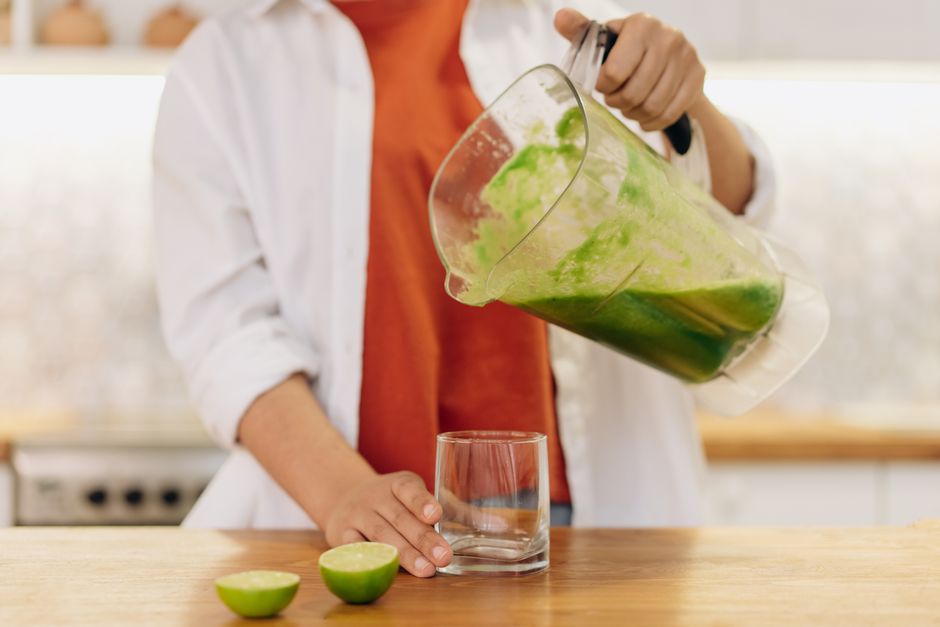
Key limes are small, thin-skinned, and stubborn. Their seeds are numerous, their flesh clings to the rind, and a standard citrus press often wastes more juice than it captures. Getting every drop comes down to three things: softening the fruit before cutting, using the right extraction method for its size, and pressing the spent halves a second time. A warm key lime rolled firmly on a counter and halved crosswise will release noticeably more juice than a cold one cut straight from the fridge.
That is the short answer. The rest of this article explains why each step matters, which tools actually work on fruit this small, and how to store what you extract so it does not turn bitter.
Why Are Key Limes Harder To Juice Than Regular Limes?
Key limes are a different fruit from the Persian limes most grocery stores sell. Persian limes are larger, thicker-skinned, and hold more juice per fruit. Key limes are roughly the size of a golf ball or smaller, with a thin rind that tears easily and a high seed count.
The juice itself is also different. Key lime juice is more acidic and more aromatic than Persian lime juice, which is why it is the traditional choice for key lime pie. That flavor concentration is part of the problem: there is less total liquid to work with, so every drop lost to a sponge, a cutting board, or a stubborn membrane is a larger share of what you had.
The thin rind matters more than most people realize. A thin-skinned citrus fruit has less pith to protect the juice sacs, so the sacs rupture more easily during handling. That sounds helpful, but it also means juice escapes onto your hands and the counter before you ever get to squeezing. Handling gently until you are ready to extract is not fussiness — it is yield.
Should You Warm Key Limes Before Juicing Them?
Yes. Warming citrus before juicing is one of the few kitchen techniques with a clear physical basis. Juice is held inside small sacs within the fruit. When the fruit is cold, those sacs and the surrounding membranes are stiffer and resist rupture. As the fruit warms toward room temperature, the membranes relax and the juice flows more freely under pressure.
You do not need heat. Room temperature is enough. If your key limes have been in the refrigerator, let them sit on the counter for a while before juicing, or speed things up by placing them in a bowl of warm — not hot — water for a few minutes. Hot water can start to cook the peel and pull bitter compounds from the pith into the juice.
Rolling the fruit is the second half of this step. Press the lime against a countertop with your palm and roll it firmly back and forth several times. This mechanically breaks down some of the internal structure before you cut. It is the same principle behind rolling a lemon before juicing it, just applied to a much smaller fruit.
What Is The Best Way To Cut A Key Lime For Juicing?
Cut key limes crosswise, not lengthwise. A crosswise cut — straight through the middle from stem end to blossom end — exposes the segments in a way that lets you press directly down on them. A lengthwise cut gives you two long halves with the membrane running the wrong direction, and the juice tends to run around the membrane rather than out of it.
Cut them in half, not quarters. Quarters create more exposed cut surface, which means more juice lost to the knife and board, and they are harder to press efficiently by hand.
One more detail: cut just before you squeeze. A halved key lime left sitting on the counter loses juice to evaporation and oxidation, and the exposed surface begins to dry. If you are juicing a large batch, work in small groups rather than halving twenty limes at once.





What Tools Actually Work On Key Limes?
Standard citrus presses are built for lemons and Persian limes. A key lime drops through the gap or sits so loosely that the press cannot apply real pressure. Here is how the common options compare.
| Method | Works well on key limes? | Notes |
|---|---|---|
| Hand squeezing | Yes, with effort | Best for one or two limes. Squeeze over a bowl to catch everything. |
| Small citrus press (key lime size) | Yes | Some manufacturers make presses sized specifically for key limes. Check the bowl diameter before buying. |
| Standard lemon/lime press | Poorly | Fruit is too small to seat properly. Most juice ends up outside the bowl. |
| Reamer | Moderately | Works if the lime half is large enough to hold. Small halves spin instead of releasing juice. |
| Fork or spoon twist | Yes | Insert into the cut half and twist. Effective and needs no special equipment. |
The fork method deserves more credit than it gets. Push a fork into the cut face of a lime half and twist while squeezing the rind from the outside. The tines break the segment membranes and the juice runs down the fork into your bowl. It is slower than a press, but on fruit this small it often extracts more than a badly fitting tool.
How Do You Get Every Last Drop Out Of A Key Lime?
Press each half twice. The first squeeze gets most of the free juice. Wait a moment, then squeeze again — the second press moves juice that was trapped behind membranes the first squeeze loosened. This single habit is probably the biggest yield improvement available to a home cook.
After the second squeeze, turn the half inside out over your bowl. The rind flexes and the remaining juice sacs release what is left. You can also scrape the inside of the half with a spoon, though this risks pulling bitter pith into the juice if you press too hard against the white layer.
Filter the seeds, not the pulp. Many people strain key lime juice through a fine mesh, which removes pulp along with seeds. The pulp carries flavor and body. Pick out seeds with a fork or strain through a coarse strainer that catches seeds but lets pulp through.
If you are juicing a large quantity, a few additional habits help:
- Juice over a bowl, never over the sink or a cutting board, so nothing is lost.
- Work at room temperature throughout, not in batches pulled cold from the fridge.
- Keep your hands out of the way — squeeze from the rind side so juice runs into the bowl, not down your wrist.
- Collect juice in a small vessel with a spout so you can pour off the liquid without disturbing settled pulp if you prefer it clear.
How Much Juice Does One Key Lime Give?
Not much. Key limes are small, and a single fruit typically yields a small amount of juice — enough to flavor a drink or a small dish, not enough to fill a measuring cup. This is why most key lime pie recipes call for a large number of individual limes rather than a volume of juice.
If a recipe gives you a juice volume, buy more fruit than you think you need. Key limes vary in size and juiciness, and the difference between a dry one and a generous one is significant relative to the total. Buying by count and then adjusting is more reliable than trying to hit an exact volume with a fixed number of limes.
This is also why bottled key lime juice exists. Bottled juice is consistent and available year-round, but it does not taste identical to fresh. Some bottled products are made from concentrate and some are not, and the flavor difference is real. Fresh is generally preferred for dishes where the lime is a primary flavor rather than a background note.
How Should You Store Fresh Key Lime Juice?
Fresh key lime juice loses aroma quickly once exposed to air. Store it in a tightly covered container in the refrigerator and use it soon. Glass is a better choice than reactive metal or certain plastics for holding acidic juice.
Freezing works well for longer storage. Pour juice into ice cube trays, freeze, then transfer the cubes to a sealed bag. Frozen key lime juice keeps its character far better than refrigerated juice held for the same length of time. Thaw only what you need.
One caution: do not store juice in a container with the spent rinds. The pith releases bitter compounds over time, and that bitterness will migrate into the juice. Discard the rinds once you have squeezed them.
Does The Variety Of Key Lime Matter?
There are named varieties of key lime, and they differ somewhat in size, seed count, and juice content. The West Indian type is the classic key lime. A variety sometimes called the Palestine lime or a similar thin-skinned type is often described as less seedy and slightly larger, which makes it easier to juice.
For most home cooks, the variety is not something you can control at the store. What you can control is ripeness. A ripe key lime gives slightly under gentle pressure and has a bright, even color. A hard, unyielding lime is underripe and will give less juice. A soft, dull one is past its best and may taste flat.
If you grow your own or buy from a farmers market where the variety is labeled, a larger, less seedy type will save you time. Otherwise, pick the heaviest fruit for its size — heavier fruit generally means more juice inside.
Frequently Asked Questions
Do you need to warm key limes before juicing them?
Warming them to room temperature helps, because cold membranes hold juice more tightly. You do not need hot water — room temperature or a few minutes in warm water is enough.
Can you use a regular lime squeezer on key limes?
Usually not well, because key limes are too small to seat properly in a press sized for Persian limes. A press made for key limes, a fork, or hand squeezing works better.
How much juice is in one key lime?
A single key lime yields only a small amount of juice, which is why recipes typically call for many limes rather than a measured volume. Buy more fruit than you think you need and adjust as you go.
Can you freeze fresh key lime juice?
Yes, and it holds up better frozen than refrigerated. Freeze it in ice cube trays, move the cubes to a sealed bag, and thaw only what you need.
