
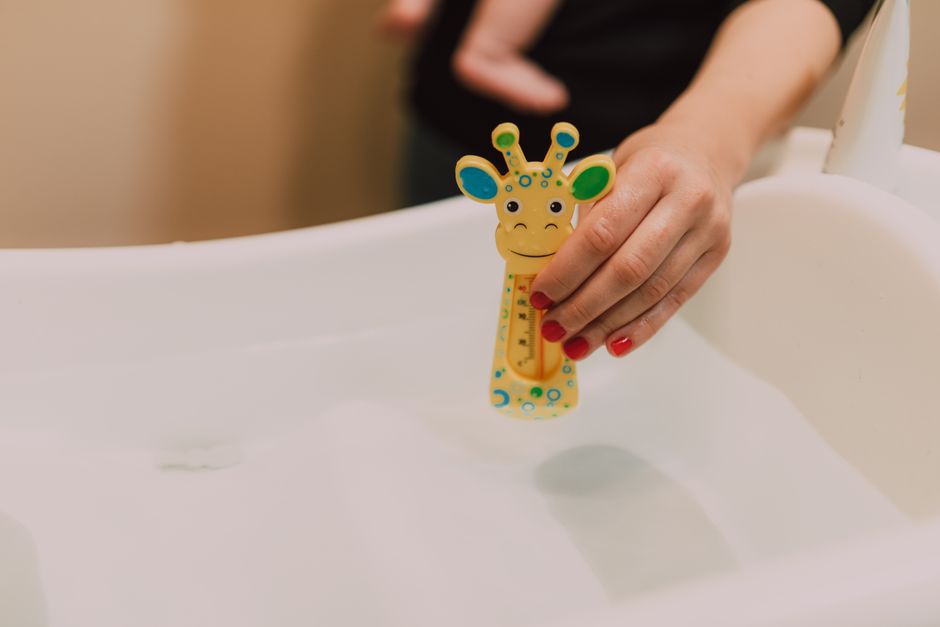
You can bathe a baby without a tub safely by using a clean sink, a large plastic basin, or even a sturdy bucket that you have scrubbed and rinsed well. The key is to gather everything you need before you start, use only a few inches of warm water (around 2 to 3 inches), and keep one hand on your baby at all times. Never leave your baby unattended in any amount of water, even for a second.
Is It Safe to Bathe a Baby Without a Dedicated Baby Tub?
Yes. A dedicated baby tub is a convenience, not a medical requirement. Many families around the world bathe infants in sinks, basins, or shared bathtubs. The safety of the bath depends on your preparation and attention, not on the container itself.
What matters most is that the surface is clean, stable, and free of sharp edges. A kitchen sink with a sprayer can work well. A large plastic storage bin that has never held chemicals is another solid option. Just remember that any container you use should be dedicated to bathing or thoroughly cleaned before each use.
What Temperature Should the Water Be?
Aim for warm water around 98.6°F (37°C), which is body temperature. Test the water with your wrist or elbow. It should feel comfortably warm, not hot and not cool. Many parents find that testing with their inner wrist gives the most reliable reading.
Fill the sink or basin with only 2 to 3 inches of water for a newborn. This is enough to rinse and clean your baby without creating a drowning risk. You can use slightly more water for an older baby who can sit up unassisted, but never fill the container more than halfway.
What Supplies Do I Need Before Starting?
Gather everything before you undress your baby. Once the baby is wet and slippery, you will not want to reach for anything.
- Two soft washcloths — one for washing, one for rinsing
- Mild, fragrance-free baby soap and shampoo
- A clean towel or hooded baby towel
- A fresh diaper and clean clothes
- A cup or small pitcher for rinsing
- A changing pad or towel to lay the baby on afterward
Place everything within arm’s reach of the sink or basin. If you forget something, take your baby out of the water and wrap them in a towel before retrieving it. Never leave a baby alone in water to grab a towel or bottle.





How Do I Hold a Slippery Baby During the Bath?
Use the “football hold” or a similar secure grip. Slide one hand under your baby’s head and neck, supporting the head with your palm and the neck with your fingers. Wrap your fingers around the far armpit. Your forearm supports the baby’s back.
Your other hand is free for washing. Keep your supporting hand in place the entire time. Babies are naturally slippery when wet, so do not loosen your grip. If your baby is older and can sit up, place them at the far end of the sink or basin away from the faucet. Keep one hand on their chest or back at all times.
How Often Should I Bathe a Newborn?
Newborns do not need a daily bath. Two to three baths per week during the first year is sufficient. Daily bathing can dry out a baby’s sensitive skin and strip away natural oils.
Between baths, clean the diaper area with each change. Wipe the face, neck folds, and hands with a warm washcloth as needed. Sponge baths are perfectly adequate until the umbilical cord stump falls off, which usually happens within the first one to two weeks of life.
How Do I Bathe a Baby Before the Umbilical Cord Falls Off?
Give sponge baths only until the cord stump dries up and falls off. Keep the stump dry. Do not submerge it in water.
Lay your baby on a flat, padded surface. Dip a washcloth in warm water and wring it out well. Wipe your baby’s face, then the body, working from clean areas to dirty ones. Pat the cord area dry gently with a clean cloth. Fold the diaper below the stump so it stays exposed to air.
What Is the Correct Order for Washing?
Start with the cleanest areas and work toward the dirtiest. Wash the face first using plain water. Then wash the scalp and hair, tilting the head back slightly so soapy water runs away from the eyes.
Move down the body, washing the neck folds, armpits, hands, and diaper area last. The diaper area is the most important to clean thoroughly, especially for baby girls where you should always wipe from front to back. Use a clean section of the washcloth for the diaper area to avoid spreading bacteria.
How Do I Rinse and Dry Properly?
Rinse with clear water using your cup or pitcher. Pour gently over the body, avoiding the face. Lift your baby out of the water with both hands — one supporting the head and neck, the other supporting the bottom.
Wrap your baby in a towel immediately. Pat dry rather than rubbing. Pay special attention to skin folds, including under the chin, in the armpits, and in the groin area. Apply a fragrance-free moisturizer if your baby’s skin seems dry, then put on a fresh diaper and clothes.
What Are the Biggest Safety Mistakes to Avoid?
The most serious mistake is leaving a baby unattended in water. Drowning can happen in as little as one inch of water and in under 30 seconds. It is silent. There is no splashing or crying to alert you.
Another common mistake is running the faucet while the baby is in the sink. A sudden change in water temperature can scald your baby. Always fill the container first, turn off the faucet, and test the temperature before placing your baby in the water.
Never use bath seats or rings in a sink or basin. These devices are not designed for sinks and can tip over. They give a false sense of security and are not a substitute for your hands.
What If My Baby Cries During the Bath?
Some babies love baths. Others hate them. Crying during a bath is common, especially in the first few months. Check the basics first: is the water too warm or too cold? Is the room drafty? Is the baby hungry or overtired?
If your baby cries every time, try adjusting the routine. Bathe at a different time of day. Use less water. Wrap the baby in a thin receiving blanket during the bath so they feel more secure. Some babies calm down when they can hold onto a washcloth or small toy.
Can I Bathe Two Babies Together?
It is not recommended. Bathing two babies at once divides your attention and increases the risk of injury or drowning. Even if both babies are older and can sit up, they can push or slip unexpectedly.
Bathe them separately. It takes longer, but it is significantly safer. If you have twins, some parents find it easiest to bathe one while the other is safely secured in a crib or playpen nearby.
How Do I Clean the Sink or Basin After Use?
Clean the container after every bath. Rinse it with hot water and wipe it with a clean cloth. If you used soap in the bath, rinse thoroughly to remove all residue. Dry the container completely before storing it.
If you used the kitchen sink, sanitize it after the bath before preparing food. A mild bleach solution or a food-safe sanitizer works well. Rinse thoroughly with hot water afterward to remove any chemical residue.
When Can My Baby Use a Regular Bathtub?
Your baby can move to a regular bathtub once they can sit up steadily on their own, usually around six months of age. Even then, you still need to stay within arm’s reach at all times.
You can also use a bath ring or seat inside a regular tub once your baby can sit independently. These devices provide support but do not prevent drowning. They are not safety devices. Never rely on them to keep your baby safe.
Frequently Asked Questions
How much water should I put in a sink for a baby bath?
Use only 2 to 3 inches of warm water for a newborn. This is enough to rinse and clean without creating a drowning risk.
What can I use instead of a baby bathtub?
A clean kitchen sink, a large plastic basin, or a sturdy bucket that has been scrubbed and rinsed well all work safely. Just make sure the container is stable and free of sharp edges.
Is it safe to bathe a newborn in the kitchen sink?
Yes, as long as the sink is thoroughly cleaned first and the faucet is turned off during the bath. Sanitize the sink afterward before using it for food preparation.
How often should I bathe my baby in the first year?
Two to three baths per week is sufficient for most babies during the first year. Daily bathing can dry out sensitive skin.
