
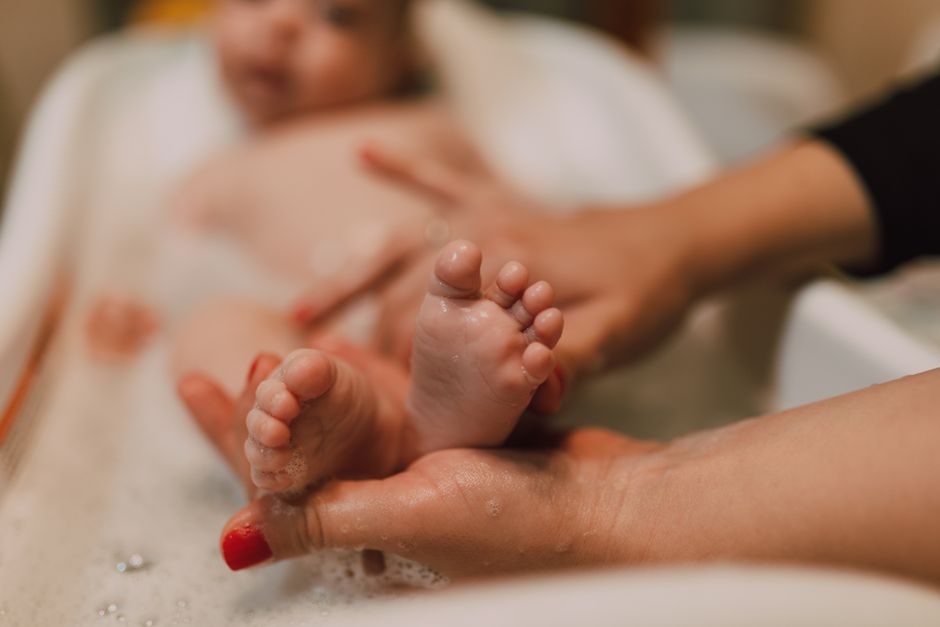
Bathing a newborn for the first time feels intimidating, but the basic process is straightforward: you support their head and neck, use warm (not hot) water, and keep the whole thing under ten minutes. Sponge baths are recommended until the umbilical cord stump falls off, which usually happens in the first one to three weeks. After that, you can move to a small baby tub with just two to three inches of water. The goal is safety, not perfection — a missed spot here and there is completely fine.
When Should You Give a Newborn Their First Bath?
The World Health Organization recommends waiting at least 24 hours after birth before the first bath. Many hospitals now wait even longer — up to 48 hours or more — unless there is a medical reason to bathe sooner. This waiting period helps stabilize the baby’s blood sugar and body temperature.
Research published in the Journal of Obstetric, Gynecologic & Neonatal Nursing found that delayed bathing also supports breastfeeding success and skin-to-skin bonding. The white creamy coating on a newborn, called vernix, acts as a natural moisturizer and antimicrobial barrier. Rinsing it off too early may dry out delicate skin.
Once home, there is no rush. Bathing two to three times per week is plenty for most newborns. Daily baths can strip natural oils and cause dryness.
What Supplies Do You Need Before Starting?
Gather everything before you undress the baby. Once the bath starts, you cannot walk away for even a second. Drowning can happen in less than an inch of water and in seconds.
- A baby bathtub or clean plastic basin
- Two soft washcloths
- Mild fragrance-free baby soap and shampoo
- A cup for rinsing or a handheld sprayer
- A hooded towel and a second towel
- A clean diaper, clothes, and a onesie
- Cotton balls if the umbilical stump is still attached
The American Academy of Pediatrics recommends keeping the room warm — around 75 degrees Fahrenheit — to prevent your baby from getting chilled. Cold babies get fussy fast, and a fussy baby makes the bath harder for everyone.
How To Bathe Newborn With an Unhealed Umbilical Cord
Until the cord stump falls off and the area looks dry and clean, stick to sponge baths. Do not submerge the belly button in water. This reduces the risk of infection.
Lay your baby on a flat surface padded with a towel. A changing table or the floor works well. Dip a washcloth in warm water — test it on your inner wrist, it should feel warm, not hot — and wring it out so it is damp, not dripping. Clean one area at a time, starting with the cleanest parts first: face, then chest and arms, then legs and feet. Save the diaper area for last.
Use a separate cotton ball dampened with warm water to clean around the cord stump. Gently wipe away any dried discharge. Keep the area dry afterward. Fold the diaper down so it does not cover the stump, which allows air to help it heal and fall off naturally.
Some parents worry about hurting the stump. It has no nerve endings, so your baby will not feel pain if you touch it. Signs of infection include redness, pus, or a bad smell. If you see these, call your pediatrician.




Step by Step: How To Bathe Newborn in a Tub
Once the cord stump has fallen off and the belly button looks healed, you can start tub baths. Fill the baby tub with two to three inches of water. The water temperature should be between 98 and 100 degrees Fahrenheit. A bath thermometer is helpful, but your elbow or wrist works too — if it feels hot to you, it is too hot for the baby.
Undress your baby and place them in the tub feet first. Keep one hand supporting their head and neck at all times. Use your other hand to wash. Start with the face using plain water — no soap needed there. Then wash the body from top to bottom using a small amount of baby soap. The genital area should be cleaned gently, front to back for girls to prevent irritation or infection.
Rinse the soap off with a cup of clean warm water. Lift your baby out and wrap them immediately in a hooded towel. Pat dry — do not rub — and put on a diaper and clothes quickly. Moisturizer is optional. If the skin looks dry, use a fragrance-free baby lotion within three minutes of drying to lock in moisture.
| Step | Key Detail |
|---|---|
| Water depth | 2-3 inches |
| Water temperature | 98-100°F (test on wrist or elbow) |
| Room temperature | Around 75°F |
| Bath duration | 5-10 minutes max |
| Soap use | Fragrance-free, small amount |
| Drying method | Pat dry, do not rub |
What Are the Common Mistakes Parents Make?
The most dangerous mistake is leaving a baby unattended in the bath, even for a moment. If you forget a towel or the phone rings, take the baby with you. There is no exception to this rule.
Another common error is using too much soap or shampoo. Newborn skin is thin and absorbs products easily. A pea-sized amount of soap is enough for the whole body. Over-bathing is also a problem. Bathing more than three times a week can cause eczema flares or dry, irritated skin.
Some parents worry about water in the ears. A little water in the outer ear is harmless. Do not use cotton swabs to clean inside the ears — they can push wax deeper or damage the eardrum. Just dry the outside of the ear with the corner of a towel.
One non-obvious point: many parents bathe the baby immediately after a feeding, thinking it will be calming. This can cause spit-up or fussiness. Wait at least 30 minutes after a feed. A baby with a full belly is not a relaxed bather.
What Does the Research Say About Baby Bathing Safety?
The CDC reports that drowning is the leading cause of injury death in children ages one to four, and infant bath seats are not a safety device. A study in the journal Pediatrics found that bath seats give parents a false sense of security, leading them to leave children unsupervised. Never rely on a bath seat or ring to keep your baby safe.
Research on water temperature is clear: tap water at 120 degrees Fahrenheit can cause a third-degree burn in five seconds. The Consumer Product Safety Commission recommends setting your water heater to no higher than 120 degrees. Test the bath water with your wrist or elbow every time, even if you think you remember the setting from last time.
Evidence on soap choice is less dramatic than marketing suggests. Most mild, fragrance-free baby soaps work similarly. The key is avoiding antibacterial soaps, which contain ingredients that may disrupt the developing skin microbiome. Plain warm water is often enough for the first few months.
How To Bathe Newborn Safely During Cold and Flu Season
Bathing a newborn when they have a stuffy nose or mild cold is generally fine, as long as they are not lethargic or struggling to breathe. The warm steam can help loosen congestion. Keep the bath short — five minutes max — and dry the baby completely before dressing to avoid chills.
Do not bathe a newborn who has a fever over 100.4 degrees Fahrenheit without checking with your pediatrician first. Some parents believe a cool bath brings down a fever, but this can cause shivering, which actually raises body temperature. Lukewarm water is safer if your doctor approves bathing at all.
If your baby has a contagious illness like hand-foot-and-mouth disease or a viral rash, bathing is fine, but use a separate washcloth and towel to avoid spreading the virus to other family members. Wash all bath items in hot water afterward.
Frequently Asked Questions
How often should I bathe my newborn?
Two to three times per week is enough for most newborns. Daily baths can dry out their skin.
What water temperature is safe for a newborn bath?
Water should be between 98 and 100 degrees Fahrenheit. Test it on your inner wrist or elbow before putting the baby in.
Can I use regular soap on my newborn?
No, use only mild fragrance-free baby soap. Regular soap can irritate sensitive newborn skin.
When can I start giving my newborn tub baths?
Start tub baths once the umbilical cord stump falls off and the belly button looks completely healed, usually within one to three weeks.
