
Menopause is not a disease, but it is a major hormonal shift. As estrogen and progesterone decline, your body adjusts to a new normal. You can support that transition naturally with diet, exercise, sleep, and stress management. These strategies do not replace hormone therapy, but they can reduce symptoms and protect your long-term health.
What Actually Happens to Your Hormones During Menopause?
Menopause officially begins 12 months after your last period. The years before that are called perimenopause. During perimenopause, estrogen and progesterone levels fluctuate wildly. Sometimes they spike. Sometimes they drop sharply.
Estrogen does more than regulate reproduction. It affects bone density, body temperature, mood, and cholesterol. When estrogen declines, blood vessels dilate and constrict unpredictably. That is what causes hot flashes and night sweats. Lower estrogen also slows bone remodeling, which increases fracture risk over time.
Progesterone drops too. Without enough progesterone, the uterine lining builds up irregularly. This causes heavier or more unpredictable periods. Low progesterone can also interfere with sleep because it normally has a calming effect on the brain.
Testosterone also declines gradually with age, though the change is less dramatic. Low testosterone can contribute to reduced energy and lower sex drive. Understanding these shifts helps you target your approach rather than guessing.
Which Foods Help Balance Hormones During Menopause Naturally?
Food cannot replace estrogen, but certain foods can ease the transition. Plant compounds called phytoestrogens are structurally similar to human estrogen. They bind weakly to estrogen receptors and may help moderate symptoms.
Soy is the most studied source of phytoestrogens. Tofu, tempeh, edamame, and soy milk contain isoflavones. Some research suggests that women who eat more soy report fewer hot flashes. The effect is modest. It does not work for everyone, and it does not work as well as prescription estrogen.
Calcium and vitamin D become more important after menopause. Estrogen helps bones absorb calcium. Without it, bones lose density faster. Dairy products, leafy greens, and fortified plant milks provide calcium. Vitamin D comes from sunlight, fatty fish, and fortified foods. Most women need a supplement, but a blood test can tell you your level.
Protein matters more than most women realize. Muscle mass naturally declines with age. Lower estrogen accelerates this process. Eating 20 to 30 grams of protein per meal helps preserve muscle, which supports metabolism and bone strength. Eggs, fish, chicken, beans, and Greek yogurt are solid choices.
Fiber is not directly hormonal, but it helps. Fiber binds to excess estrogen in the digestive tract and moves it out of the body. This supports healthier estrogen clearance. Whole grains, vegetables, fruits, and legumes all count.
What Exercise Routine Works Best for Hormonal Balance?
Exercise does not balance hormones directly, but it changes how your body responds to them. It improves insulin sensitivity, which helps regulate blood sugar. It reduces stress hormones like cortisol. It also triggers the release of endorphins, which improve mood.
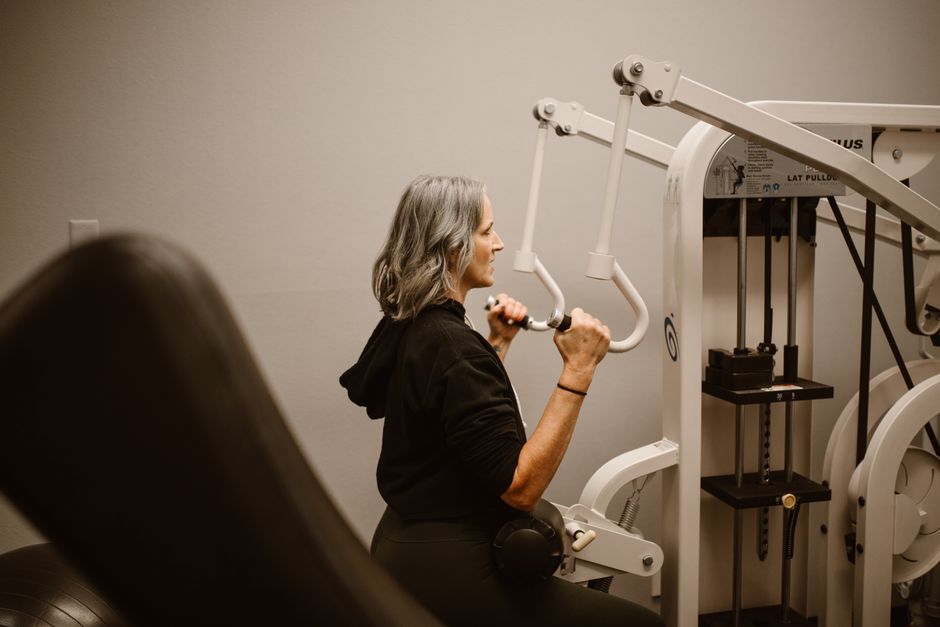
Strength training is the most important type of exercise during menopause. Weight-bearing exercise stimulates bone formation. It also builds muscle, which raises your resting metabolic rate. Two to three sessions per week with dumbbells, resistance bands, or bodyweight exercises are enough to make a difference.
Cardiovascular exercise supports heart health, which matters because heart disease risk rises after menopause. Brisk walking, cycling, swimming, or dancing for 150 minutes per week meets standard public health guidance. You can break it into shorter sessions if that fits your schedule better.
Flexibility and balance work prevent falls and injuries. Yoga and tai chi also lower stress hormones. Some women find that regular yoga reduces hot flash frequency, though the research is mixed. It is a reasonable addition, not a replacement for strength and cardio work.
Listen to your body. Menopause can bring joint pain and fatigue. If a workout leaves you drained for days, reduce intensity. Consistency matters more than intensity.



Can Sleep and Stress Management Really Affect Hormones?
Yes. Chronic stress raises cortisol, which is a stress hormone produced by the adrenal glands. High cortisol can worsen sleep, increase abdominal fat, and interfere with mood. It does not directly lower estrogen, but it makes every menopause symptom feel worse.
Sleep is the time when your body repairs tissues and regulates hormones. Hot flashes and night sweats often disrupt sleep. This creates a cycle: poor sleep raises stress hormones, which makes the next night worse.
Sleep hygiene helps even when hormones are unpredictable. Keep your bedroom cool. Use breathable cotton sheets. Go to bed and wake up at the same time every day. Avoid caffeine after noon. Limit alcohol in the evening because it fragments sleep even when it helps you fall asleep faster.
Stress management does not need to be elaborate. Deep breathing exercises, a short walk, or 10 minutes of quiet time can lower cortisol. The key is consistency. A daily practice matters more than an occasional long session.
Which Supplements Have Real Evidence for Menopause Symptoms?
Most supplements marketed for menopause have weak evidence. Some have none. Be skeptical of products claiming instant relief.
Black cohosh is one of the most studied herbal remedies for hot flashes. Some trials show modest benefit. Others show no difference from placebo. The evidence is mixed, and the quality of commercial products varies. If you try it, give it four to eight weeks. Stop if you notice no change.
Vitamin D and calcium are not symptom relievers, but they are bone protectors. The recommended daily intake for women over 50 is 1,200 milligrams of calcium and 600 to 800 IU of vitamin D from all sources. Food comes first. Supplements fill gaps.
Magnesium is sometimes recommended for sleep and mood. Some studies suggest it helps with insomnia, especially in older adults. The evidence for menopause-specific benefit is limited. It is generally safe at recommended doses, but it can cause digestive upset.
Omega-3 fatty acids from fish oil may help with mood and joint pain. The evidence for hot flash relief is inconsistent. Some women report fewer and less intense flashes. Others see no change.
No supplement replaces the hormonal effects of estrogen therapy. If your symptoms are severe and natural approaches are not enough, talk to your doctor about prescription options. Hormone therapy is the most effective treatment for hot flashes and vaginal dryness.
What Lifestyle Factors Make Menopause Symptoms Worse?
Alcohol is a common trigger for hot flashes. It dilates blood vessels and raises skin temperature. Many women notice that a glass of wine at night leads to night sweats. You do not have to eliminate alcohol entirely, but tracking your symptoms can reveal your personal triggers.
Spicy foods cause the same blood vessel dilation. Caffeine can trigger hot flashes in some women and disrupt sleep in others. Smoking is strongly linked to earlier menopause and more severe symptoms. Quitting smoking is one of the most impactful changes you can make for hormonal health.
Being overweight or underweight both affect hormone levels. Fat tissue produces estrogen, which is why heavier women sometimes have different menopause experiences. But excess weight also raises inflammation and increases the risk of breast cancer and heart disease. The goal is a healthy body weight, not a specific number on the scale.
Vaginal dryness is often overlooked. It is caused by thinning of vaginal tissues due to low estrogen. Water-based lubricants and vaginal moisturizers help. Prescription vaginal estrogen is highly effective and is absorbed locally, meaning it does not affect the rest of your body the way systemic hormones do.
When Should You Consider Medical Treatment?
Natural approaches work for many women, but not all. If hot flashes disrupt your work, sleep, or daily life, medical treatment may be appropriate. If you have severe mood changes, depression, or anxiety, do not wait to get help.
Hormone therapy is the most effective option for moderate to severe menopause symptoms. It is available as pills, patches, gels, and creams. It comes with risks, including a small increase in blood clot risk and breast cancer risk with certain formulations. The decision is highly individual.
Your doctor will consider your age, your time since menopause, your medical history, and your personal risk factors. For most healthy women under 60 who are within 10 years of menopause, the benefits of hormone therapy outweigh the risks. For older women or those with a history of breast cancer or blood clots, the balance shifts.
Non-hormonal prescription options exist too. Low-dose antidepressants like venlafaxine and paroxetine can reduce hot flashes. Gabapentin, a nerve pain medication, also helps some women. These are not first-line treatments, but they are options for women who cannot take hormones.
No single approach works for everyone. A combination of diet changes, exercise, stress management, and medical support is often the most practical path. Track your symptoms for a few weeks before your appointment. This gives your doctor real data to work with.
Frequently Asked Questions
How long does it take to balance hormones during menopause naturally?
Most women notice improvements in sleep and mood within four to six weeks of consistent diet and exercise changes. Hot flashes may take longer and often respond partially rather than completely.
Can natural estrogen from soy be dangerous?
Dietary soy is safe for most women and does not increase breast cancer risk at normal food amounts. Soy supplements with concentrated isoflavones are less studied and should be treated with more caution.
Does exercise make hot flashes worse?
Exercise can trigger a hot flash during or right after a workout because it raises body temperature. Regular exercise still reduces overall hot flash frequency and severity over time.
What is the best natural treatment for vaginal dryness?
Water-based lubricants and vaginal moisturizers provide immediate relief and are available without a prescription. Prescription vaginal estrogen is more effective and is considered safe because it acts locally rather than throughout the body.
