
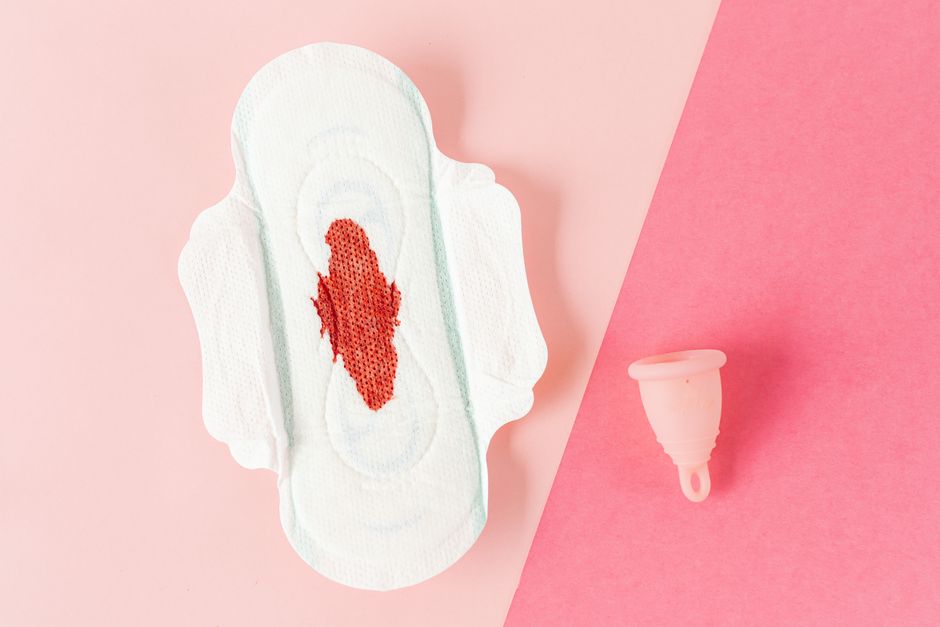
If you’re in perimenopause and your period just lasted 10 days, you are not alone. Periods during the menopausal transition can last anywhere from 2 to 14 days, and sometimes longer. The average is about 7 to 10 days, but anything over 14 days needs a medical check. This change happens because your ovaries are making less estrogen and progesterone, which throws off your normal cycle. Here is what the research actually says about period length during menopause and when you should call your doctor.
What Is a Normal Period Length During Menopause?
A normal menstrual period for a woman in her 20s or 30s lasts 3 to 7 days. During perimenopause, the years leading up to menopause, that changes. Studies have found that periods lasting 8 to 10 days are common. Some women have shorter periods of just 2 days. Others have longer ones that stretch to 14 days.
The key word here is “change.” If your period length changes by more than a few days compared to what is normal for you, that is a sign your hormones are shifting. The North American Menopause Society reports that skipping periods for months and then having a heavy, long period is also typical. But a period that lasts more than 14 days is not considered normal. That is the threshold where your doctor needs to be involved.
Heavy bleeding is another concern. If you are soaking through a pad or tampon every hour for several hours in a row, that is not just a long period. That is a medical issue. Do not wait for it to stop on its own.
What Causes Periods to Get Longer During Perimenopause?
The simple answer is hormones. But let’s be specific. During perimenopause, your ovaries start to produce less progesterone. Progesterone is the hormone that stabilizes your uterine lining. Without enough of it, the lining builds up thicker than normal. When it finally sheds, it takes longer to come out.
Estrogen levels also fluctuate wildly. Some months you have too much estrogen relative to progesterone. Other months you have too little. This unpredictability is what causes the irregular cycles you hear about. Research published in the journal Menopause has shown that these hormonal swings are the direct cause of longer, heavier, and more frequent periods.
Other factors can make it worse. Uterine fibroids, polyps, and thyroid problems can all cause prolonged bleeding. These conditions become more common as you age. If your periods are consistently longer than 10 days, your doctor should check for these issues before assuming it is just perimenopause.
How Long Can a Period Last During Menopause Before It’s a Problem?
This is the question most women really want answered. Here is the clinical guidance from the American College of Obstetricians and Gynecologists. You should see a doctor if your period lasts more than 14 days. You should also see a doctor if your bleeding is heavy enough that you are changing protection every hour, if you pass clots larger than a quarter, or if you feel dizzy or short of breath.
There is no “safe” number of long periods you can have before you need to act. Even one period that lasts 15 days is worth a visit. The concern is not just discomfort. Chronic heavy bleeding can lead to iron deficiency anemia. Studies show that up to 20% of women in perimenopause develop anemia from heavy periods. That makes you tired, weak, and more prone to infections.
Another red flag is bleeding after you have gone 12 months without a period. That is not a period. That is postmenopausal bleeding, and it requires immediate evaluation. It can be caused by something simple like vaginal thinning, but it can also be a sign of endometrial cancer. Do not assume it is nothing.
| Duration | What It Means | Action |
|---|---|---|
| 2 to 7 days | Normal for most women | No action needed |
| 8 to 14 days | Common in perimenopause | Monitor; mention at next checkup |
| More than 14 days | Not normal | Schedule a doctor visit |
| Heavy bleeding (soaking hourly) | Medical concern | See doctor immediately |
| Bleeding after 12 months no period | Postmenopausal bleeding | See doctor immediately |





What Treatments Can Shorten a Long Period During Menopause?
There are several evidence-based options. None of them are magic, but they work. The first line of treatment is often hormonal birth control. Low-dose birth control pills can regulate your cycle and make periods shorter and lighter. This works because the pill provides steady hormones instead of the erratic ones your ovaries are making.
Another option is a hormonal IUD like Mirena. It releases a small amount of progesterone directly into the uterus. This thins the uterine lining, which means less bleeding. Many women have very light periods or no periods at all with this device. Research shows it is highly effective for heavy bleeding.
For women who cannot take hormones, tranexamic acid is a non-hormonal medication. You take it only during your period. It helps blood clot faster, which reduces bleeding. Studies have found it reduces menstrual blood loss by up to 50%. It does not shorten the number of days for everyone, but it often helps.
NSAIDs like ibuprofen can also help. Taking 600 to 800 mg of ibuprofen three times a day during your period can reduce bleeding by 20% to 30%. It also helps with cramps. Do not take that much ibuprofen if you have kidney problems or stomach ulcers. Check with your doctor first.
- Hormonal birth control pills regulate the cycle
- Hormonal IUD thins the uterine lining
- Tranexamic acid reduces bleeding during periods
- Ibuprofen can reduce bleeding by 20-30%
- Endometrial ablation for severe cases
What About Natural Remedies for Long Periods?
This is where the hype gets loud. You will see claims that vitamin C, turmeric, or herbal teas can stop heavy bleeding. The evidence for these is weak at best. Some people report that vitamin C helps because it supports blood vessel health. But there are no solid clinical trials showing it shortens periods during menopause.
Iron supplements are a different story. They do not stop bleeding. But if you are losing a lot of blood, your iron stores drop. Taking iron can prevent or treat anemia. The National Institutes of Health recommends 18 mg of iron daily for women of reproductive age. If you are bleeding heavily, your doctor might suggest a higher dose.
Diet changes like eating more leafy greens or reducing sugar are widely claimed to help. The honest answer is that evidence is limited. A balanced diet supports overall health, but it will not fix a hormonal imbalance that is causing long periods. Do not skip medical treatment in favor of home remedies. If your periods are regularly over 14 days, see a doctor.
How Do I Know If I’m in Menopause or Just Perimenopause?
This confusion is common. Menopause is defined as the point 12 months after your last period. You are officially in menopause once you have gone a full year without bleeding. Everything before that is perimenopause. Perimenopause can last 4 to 8 years. Periods can be long, short, heavy, light, or skip months entirely during this time.
The average age of menopause in the United States is 51. But perimenopause can start in your mid-40s. Some women start as early as their late 30s. If you are 45 and your periods are suddenly 10 days long, that is likely perimenopause. If you are 55 and still having regular periods, that is unusual and worth discussing with your doctor.
Blood tests for FSH (follicle-stimulating hormone) can indicate if you are close to menopause. But levels fluctuate during perimenopause, so a single test is not reliable. Your symptoms and your period patterns are better indicators than any lab value.
Common Misconceptions About Period Length During Menopause
One myth is that long periods mean you are going through menopause faster. That is not true. Period length does not predict how soon you will reach menopause. Some women have long periods for years before their final period. Others have short, light periods right up until the end.
Another myth is that you cannot get pregnant if your periods are irregular. This is false. You can still ovulate even with long or skipped periods. Until you have gone 12 full months without a period, you can still get pregnant. If you do not want to become pregnant, continue using birth control until you are confirmed postmenopausal.
A third myth is that heavy, long periods are just something you have to endure. They are not. There are effective treatments. Do not suffer through anemia, fatigue, and disrupted life because you think it is normal. It is common, but it is not something you have to accept without help.
Frequently Asked Questions
Can a period last 3 weeks during menopause?
Yes, some women have periods that last 20 days or more. This is not normal and requires a medical evaluation to rule out fibroids, polyps, or other conditions.
Is it normal to have a period every 2 weeks during perimenopause?
Short cycles of 21 days or less are common during perimenopause. If your cycles are consistently shorter than 21 days, talk to your doctor about treatment options.
Does a long period mean I am close to menopause?
Not necessarily. Period length varies widely during perimenopause. Some women have long periods for years before their final period.
Can stress make my period longer during menopause?
Stress can affect your hormone levels and may contribute to irregular bleeding. But stress alone rarely causes periods longer than 14 days without another underlying issue.
