
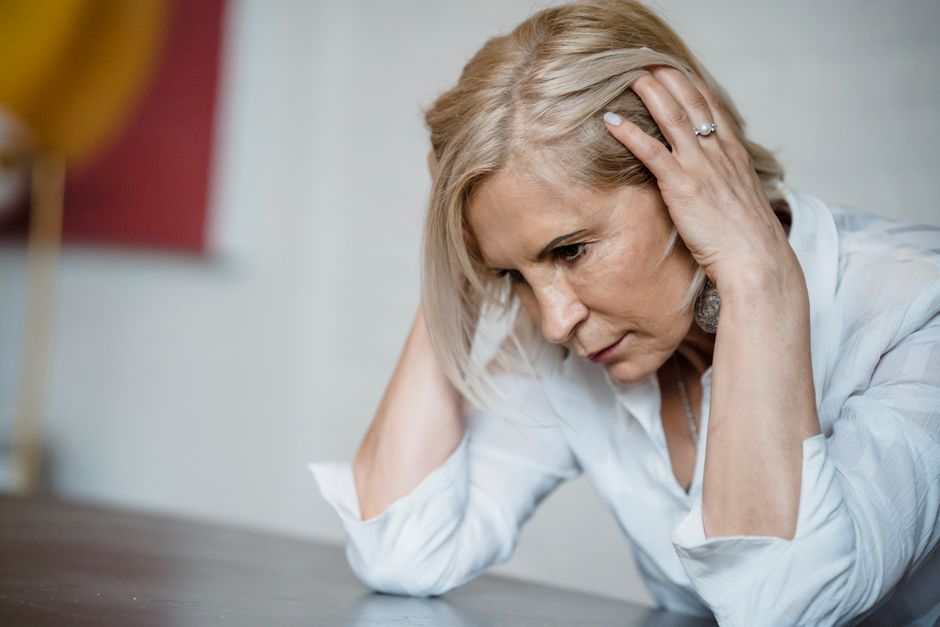
Menopause lasts about seven years on average, though some women experience symptoms for ten years or longer. The transition begins with perimenopause when periods become irregular and continues until symptoms fully resolve. For most women, the most intense symptoms occur in the first two to three years after the final menstrual period.
What Are the Three Stages of Menopause?
Menopause unfolds in three distinct phases that blend into each other without clear boundaries. Perimenopause starts when your ovaries begin producing less estrogen, typically in your mid-40s. This phase ends twelve months after your last period. You remain in perimenopause until you have gone a full year without menstruation.
Menopause itself is a single point in time, defined as the day you reach twelve consecutive months without a period. Everything after that is postmenopause. Most symptoms people associate with menopause actually occur during perimenopause or early postmenopause. The average age for menopause in the United States is 51, though it can happen naturally anywhere from 40 to 58.
Postmenopause continues for the rest of your life. Some symptoms fade within a few years. Others like vaginal dryness often persist or worsen without treatment. Current research suggests that women who enter menopause earlier tend to have longer symptom durations, though individual variation is significant.
How Long Does Perimenopause Typically Last?
Perimenopause lasts four years on average but can range from a few months to ten years. This phase causes the most unpredictable symptoms because hormone levels fluctuate wildly rather than declining steadily. You might have months of regular cycles followed by skipped periods, then a return to regularity before the pattern shifts again.
Early perimenopause often goes unnoticed. Cycles may shorten slightly or you might notice mood changes that seem unrelated to hormones. Late perimenopause brings more obvious signs like night sweats, hot flashes, and periods that arrive weeks apart or skip entirely. Some women sail through with minimal disruption. Others find this phase significantly impacts daily life.
The duration depends partly on when you start. Women who enter perimenopause in their early 40s typically experience it longer than those who start at 47 or 48. Smoking shortens the time to menopause by one to two years but does not necessarily shorten perimenopause itself. The transition simply starts and ends earlier.
How Long Do Hot Flashes and Night Sweats Last?
Vasomotor symptoms like hot flashes and night sweats last a median of seven to nine years according to the Study of Women’s Health Across the Nation, which followed more than 3,000 women through menopause. Half of women experience these symptoms for more than seven years. About one-third continue having them for ten years or longer.
The timing of when hot flashes start matters significantly. Women who develop them during perimenopause before their final period typically experience a longer total duration than those whose symptoms begin after menopause. Black and Hispanic women report longer symptom durations compared to white and Asian women, though researchers have not fully explained why this difference exists.
Frequency and intensity usually peak in the first two years after the final menstrual period, then gradually decline. Many women find the symptoms shift from daily occurrences to weekly then occasional episodes. Some women continue experiencing mild hot flashes into their 60s and 70s. Weight, stress levels, and certain medications can influence both severity and duration.
| Symptom Type | Typical Duration | When Most Intense |
|---|---|---|
| Hot flashes and night sweats | 7-9 years median | First 2 years after final period |
| Sleep disturbances | 5-7 years | Perimenopause through early postmenopause |
| Mood changes | 2-5 years | Late perimenopause |
| Vaginal dryness | Often permanent without treatment | Worsens progressively after menopause |





What Factors Make Menopause Last Longer?
Starting perimenopause at a younger age consistently predicts longer symptom duration. Women who begin experiencing irregular periods before age 45 often deal with symptoms for a decade or more. This extended timeline occurs because the body takes longer to adjust when the transition begins earlier. The biological reasons for this pattern remain under investigation.
Body composition plays a measurable role. Women with higher body weight tend to experience longer symptom duration, particularly hot flashes. Fat tissue produces estrogen even after the ovaries stop, which sounds protective but actually prolongs the hormonal fluctuations that trigger symptoms. Lower body weight correlates with shorter symptom duration in multiple studies.
Surgical menopause, when both ovaries are removed, creates an abrupt rather than gradual hormone drop. Women report more severe immediate symptoms but the overall duration may be shorter because there is no prolonged perimenopause phase. However, symptom intensity often requires treatment, and vaginal and urinary changes can be more pronounced when estrogen drops suddenly.
Do All Menopause Symptoms End at the Same Time?
Different symptoms follow different timelines. Hot flashes and mood swings typically improve within five to eight years. Sleep problems often resolve as hot flashes decrease since night sweats are a major cause of disrupted sleep. Once nighttime temperature regulation stabilizes, many women find their sleep quality returns to pre-menopause levels.
Genitourinary symptoms follow a different path. Vaginal dryness, painful intercourse, and urinary urgency result from tissue changes caused by low estrogen. These changes are progressive and permanent without treatment. The vaginal lining becomes thinner and less elastic. Urethral tissue weakens. These structural changes do not reverse on their own and often worsen over time.
Cognitive symptoms like brain fog and difficulty concentrating improve for most women within a few years. Studies show that memory and focus typically return to baseline after the transition completes. Joint pain and stiffness reported by many women during menopause may persist or may reflect age-related changes rather than hormones specifically.
When Should You Consider Treatment for Menopause Symptoms?
Consider treatment when symptoms significantly disrupt your daily function, sleep, or quality of life. There is no specific severity threshold that makes treatment necessary. The decision depends entirely on how much the symptoms bother you. Hormone therapy remains the most effective treatment for hot flashes and night sweats, reducing their frequency by 75% or more in most women.
Timing matters for hormone therapy. Starting it within ten years of your final period or before age 60 appears safer than beginning it later. Evidence suggests that hormone therapy started during this window may offer cardiovascular benefits, while starting it after 60 or more than ten years past menopause may increase certain risks. This is called the timing hypothesis and has changed how physicians approach menopause treatment.
Non-hormonal options work for some women. Selective serotonin reuptake inhibitors in low doses reduce hot flashes for many women, though not as effectively as hormones. Vaginal estrogen treats local symptoms like dryness with minimal systemic absorption. Cognitive behavioral therapy specifically designed for menopause helps some women manage symptoms through changed responses and improved sleep habits. The viral claims that certain supplements eliminate menopause symptoms lack strong supporting evidence.
Can Anything Shorten How Long Menopause Lasts?
No intervention has been proven to shorten the menopause transition itself. Your body moves through this process on its own timeline determined by genetics and individual biology. Hormone therapy and other treatments reduce symptom severity and improve quality of life but do not speed up the underlying hormonal transition. When you stop hormone therapy, symptoms often return if your body has not naturally completed the transition.
Lifestyle factors influence symptom severity more than duration. Regular exercise, particularly strength training and cardiovascular activity, reduces hot flash frequency and intensity for many women. Maintaining a moderate weight, avoiding alcohol and spicy foods, and keeping your bedroom cool help manage symptoms but do not eliminate them faster. Stress reduction through any method you find effective may decrease symptom intensity.
Some women report that specific dietary changes helped, but controlled studies show minimal effect. Soy products contain phytoestrogens that theoretically might reduce symptoms, yet research results are mixed and modest at best. The Mediterranean diet has shown some benefit in observational studies, possibly because it reduces inflammation. No diet eliminates menopause symptoms or speeds the transition.
Frequently Asked Questions About How Long Menopause Lasts
Can menopause last 15 years?
Yes, though this is less common. About 10-15% of women experience menopause symptoms for 12-15 years or longer, particularly if they started perimenopause before age 45. Most women have symptom resolution within 7-10 years.
What is the longest menopause can last?
Some women report symptoms continuing for 20 years or more, though this represents a small percentage. The longest documented symptom durations typically involve hot flashes that persist into the 70s or 80s at reduced frequency.
How do you know when menopause is finally over?
Menopause is technically over 12 months after your last period. Symptoms are over when you have gone several months without hot flashes, night sweats, or other disruptive symptoms, though this varies individually.
Does menopause last longer if it starts early?
Yes, research consistently shows that women who enter perimenopause before age 45 tend to experience symptoms for a longer total duration. Starting earlier means the body takes more time to complete the hormonal transition.
