
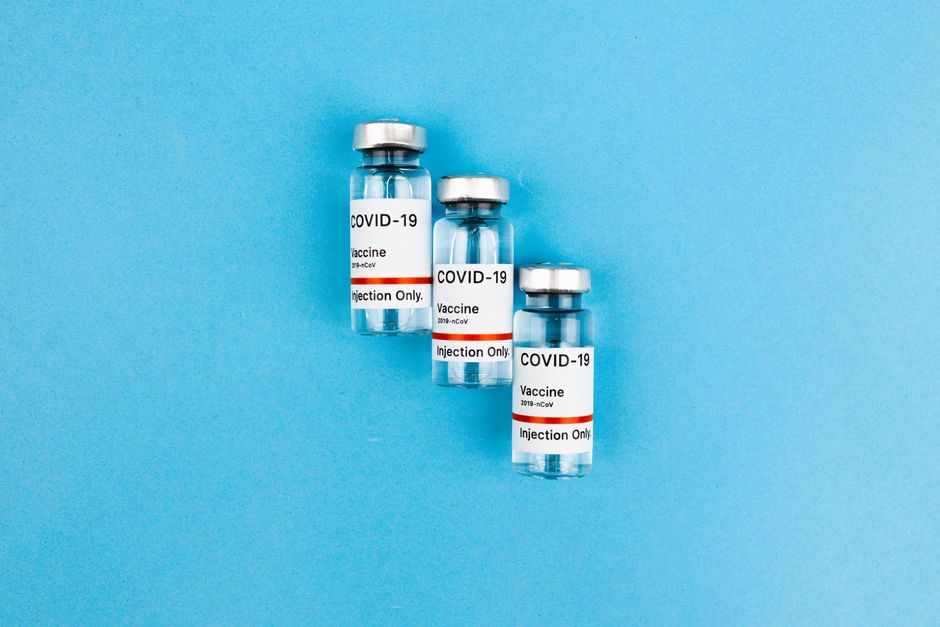
No, the COVID-19 vaccines are not gene therapy. Gene therapy aims to permanently alter your DNA to treat or cure a disease. The COVID-19 vaccines, including the mRNA vaccines, do not enter the nucleus of your cells and do not change your genetic code. They work by delivering instructions that teach your cells to make a harmless piece of the virus’s spike protein, which triggers an immune response. This process is temporary and your cells break down the instructions shortly after use.
What Is The Difference Between Gene Therapy And A Vaccine?
The confusion is understandable. Both gene therapy and mRNA vaccines use genetic material to get cells to produce a specific protein. But the purpose and the mechanism are fundamentally different.
Gene therapy is designed to fix a problem in your genes. It often uses a modified virus to deliver a working copy of a gene into your cells. In some cases, this new genetic material can integrate into your DNA, permanently changing your genetic makeup. This is a treatment for a specific disease, like a genetic disorder or certain cancers.
A vaccine is designed to prevent an infection. It trains your immune system to recognize a pathogen before you encounter it. The mRNA and viral vector COVID-19 vaccines use genetic instructions, but they do not alter your genome. They are a temporary blueprint, not a permanent edit.
How Do The mRNA Vaccines Actually Work?
The mRNA vaccines from Pfizer-BioNTech and Moderna use messenger RNA. This is a molecule your body already uses every day to read your DNA and build proteins.
Here is the process in simple terms:
- The vaccine delivers a piece of mRNA that codes for the spike protein of the SARS-CoV-2 virus.
- This mRNA enters the cytoplasm of your cells, but it does not enter the nucleus. Your DNA lives in the nucleus.
- Your cells read the mRNA instructions and build the spike protein.
- The spike protein appears on the surface of the cell. Your immune system sees it as foreign and mounts a defense.
- Within a few days, the mRNA is degraded and destroyed by your cells. It is gone. Your DNA is untouched.
This is a standard biological process. The mRNA never has the tools or the access to insert itself into your genome. It cannot rewrite your genetic code.
Is The Covid Vaccine Gene Therapy What Science Says About Viral Vectors?
The Johnson & Johnson vaccine used a different technology called a viral vector. This is often the source of the gene therapy confusion. A viral vector is a harmless, modified version of a different virus, in this case an adenovirus. The adenovirus carries the genetic instructions for the spike protein into your cells.
This sounds closer to gene therapy because it uses a virus. But the critical difference remains. The adenovirus vector is engineered to be replication-incompetent, meaning it cannot multiply. It delivers its payload to the nucleus, but it does not integrate into your DNA. It sits there temporarily, allowing your cells to read the instructions, and then it is cleared by your immune system.
Gene therapy often aims for long-term or permanent expression of a gene. The COVID-19 vaccines aim for temporary expression of a single protein to generate immunity. The goal is completely different.





Why Do People Confuse The Two?
The term “genetic vaccine” or “mRNA technology” sounds technical and futuristic. Misinformation often spreads faster than accurate science. Some claim the vaccines are a form of gene therapy designed to permanently alter human DNA. This claim is false.
Part of the confusion comes from the fact that both technologies manipulate genetic material at a cellular level. But the scale, the goal, and the outcome are distinct. Gene therapy treats an existing condition. A vaccine prevents a future infection. They are not interchangeable terms.
Another reason is the speed of development. The mRNA platform was new to the public. People heard terms like “messenger RNA” and “genetic code” and made assumptions. The science was well-established for decades, but the public introduction was sudden.
What Does The Evidence Show About Long-Term Effects?
Long-term safety data is gathered through ongoing surveillance. The vaccines have been given to billions of people worldwide. The most common side effects are short-lived and include pain at the injection site, fatigue, headache, and fever.
Serious adverse events are rare. Some have been linked to the vaccines, such as myocarditis, an inflammation of the heart muscle, primarily in young males after the second dose of an mRNA vaccine. This risk is real but uncommon. The risk of severe illness and death from COVID-19 itself is significantly higher than the risk of vaccine-related myocarditis.
No clinical evidence currently confirms any long-term genetic alteration from the vaccines. The biological mechanism makes this highly unlikely. The mRNA degrades quickly, and the viral vector does not integrate into the genome. The scientific consensus is that the vaccines are safe and effective for the vast majority of people.
Is The Covid Vaccine Gene Therapy What Science Says About mRNA Stability?
Some people worry that mRNA from the vaccine might stick around for months or years. This is not the case. Cells are constantly breaking down and recycling mRNA. This is a normal process called mRNA turnover.
Studies have shown that the mRNA from the vaccine is cleared from the body within a matter of days. The spike protein is produced for a short window, and then the immune response takes over. Your body does not keep producing the spike protein indefinitely.
This is a key difference from gene therapy. Some gene therapies are designed to provide a lasting effect because the patient has a permanent genetic defect. The COVID-19 vaccine is designed to provide a temporary immune stimulus. The biological clock on the mRNA is short.
What Are The Risks Of Believing This Myth?
Believing that the vaccine is gene therapy can lead to vaccine hesitancy. When people avoid vaccination based on false information, they remain susceptible to COVID-19. The disease can cause severe respiratory illness, long-term complications, and death.
It also erodes trust in public health. When scientific terms are twisted to fit a narrative, it becomes harder for people to make informed decisions. Accurate information is the foundation of good health choices.
If you have concerns about the vaccine, talk to a healthcare provider. Ask them directly about how the vaccine works. They can explain the mechanism in terms that make sense for your specific health situation. Do not rely on social media posts or viral videos for medical advice.
Frequently Asked Questions
Can the COVID-19 vaccine change my DNA?
No. The vaccine does not enter the nucleus of your cells where your DNA is stored. It cannot alter your genetic code.
Is the mRNA vaccine the same as gene therapy?
No. Gene therapy aims to permanently alter genes to treat a disease. The mRNA vaccine provides temporary instructions to build immunity and is broken down quickly.
How long does the mRNA stay in your body?
The mRNA from the vaccine is broken down by your cells within a few days. It does not remain in your system long-term.
Are there any long-term genetic risks from the vaccine?
No clinical evidence currently confirms any long-term genetic risks. The mechanism makes permanent genetic changes biologically impossible.
