
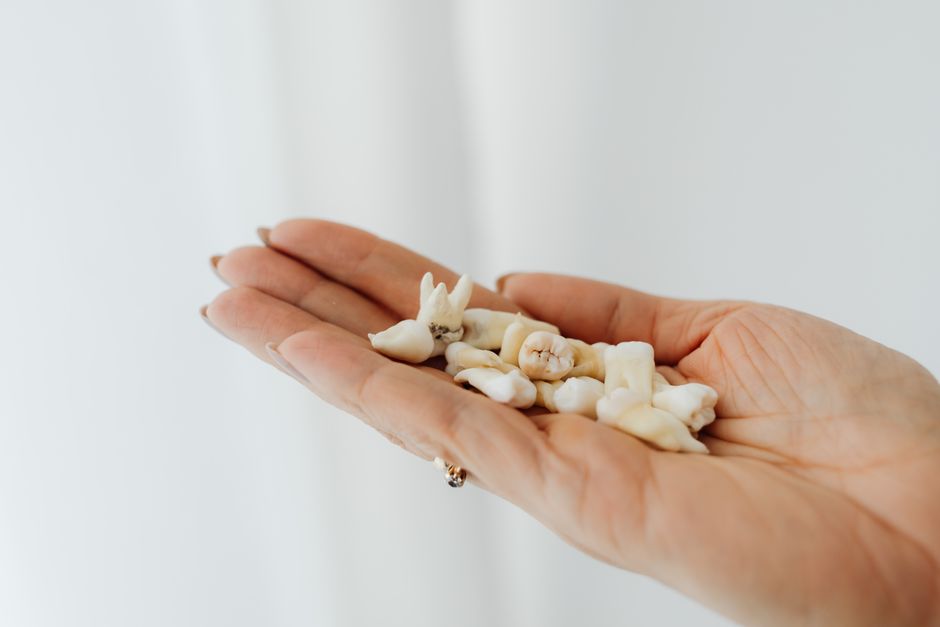
Teeth grinding during sleep, known medically as sleep bruxism, is a common condition that can cause jaw pain, worn-down teeth, and disrupted sleep. The most effective ways to stop it are wearing a custom-fitted night guard, managing stress before bed, and identifying underlying causes like sleep apnea. A dentist can confirm the diagnosis and help you choose the right treatment plan for your specific situation.
What Causes Teeth Grinding During Sleep?
Sleep bruxism is not fully understood, but research points to a mix of physical and psychological factors. It is classified as a sleep-related movement disorder, meaning it involves involuntary muscle activity during sleep.
Stress and anxiety are strongly linked to grinding. Studies consistently show that people who report high stress levels are more likely to grind their teeth at night. This may be related to how the body processes stress hormones during sleep.
Other contributing factors include:
- Sleep apnea and other breathing disturbances during sleep
- Certain medications, particularly some antidepressants
- Caffeine and alcohol consumption, especially in the evening
- Smoking
- Genetics — bruxism tends to run in families
- Malocclusion, or misalignment of the teeth and jaw
Children often grind their teeth, but many outgrow it by adolescence. In adults, the condition can be more persistent and harder to resolve without intervention.
How Do I Know If I Grind My Teeth?
Many people do not realize they grind their teeth until a dentist notices the damage. Others wake up with symptoms that point to nighttime grinding.
Common signs of sleep bruxism include:
- Morning jaw pain or soreness
- Headaches, especially near the temples
- Earache without an actual ear infection
- Teeth that are flattened, chipped, or loose
- Increased tooth sensitivity to hot or cold foods
- Indentations on the tongue from pressing against teeth
- Your partner hearing grinding sounds at night
If you wake up with a tired or tight jaw, that is often the earliest clue. Over time, grinding wears down the enamel, the hard outer layer of the tooth. Once enamel is gone, it does not grow back.
How To Avoid Grinding Teeth While Sleeping
There is no single cure for sleep bruxism, but several approaches have solid evidence behind them. Most people need a combination of protection and treatment.
Wear a night guard. This is the first-line treatment recommended by dentists. A custom-fitted guard, made by a dental professional, creates a barrier between your upper and lower teeth. It does not stop the grinding, but it protects the teeth from damage and can reduce jaw muscle strain. Over-the-counter guards are cheaper, but they rarely fit well and may not protect properly or may worsen jaw pain.
Manage stress. The evidence linking stress to bruxism is consistent. Relaxation techniques such as deep breathing, progressive muscle relaxation, or meditation before bed may help reduce grinding intensity. Some studies suggest cognitive behavioral therapy can reduce bruxism episodes, though more research is needed.
Address sleep apnea. If you have sleep apnea, treating it may reduce or eliminate grinding. Continuous positive airway pressure (CPAP) therapy has been shown in several studies to reduce bruxism episodes in people with both conditions. If you snore heavily or feel tired during the day, a sleep study may be worth discussing with your doctor.
Review your medications. Some antidepressants, particularly selective serotonin reuptake inhibitors (SSRIs), have been linked to bruxism. Do not stop any medication without talking to your doctor. If a medication is contributing to grinding, your doctor may adjust the dose or suggest an alternative.
Cut back on stimulants. Caffeine and alcohol in the evening can make grinding worse. Alcohol, in particular, has been associated with increased bruxism activity in the first half of the night. Avoiding these substances in the hours before bed is a simple and low-risk step.




What Treatments Have Strong Evidence?
Treatment for sleep bruxism falls into two categories: protecting the teeth and reducing the grinding behavior itself.
Oral appliances are the most studied treatment. A review of clinical trials found that occlusal splints, which are hard acrylic guards, significantly reduce tooth wear and jaw pain. However, they do not necessarily stop the grinding episodes. Some people continue to grind with the same force, but the guard absorbs the pressure.
Botulinum toxin (Botox) injections have shown promise in reducing grinding intensity. Injecting Botox into the masseter muscle, the main chewing muscle, weakens it enough to reduce the force of grinding. Some clinical trials have found significant improvements in pain and grinding frequency. However, this treatment is not approved by the FDA specifically for bruxism, and it is used off-label. It is also expensive and requires repeat injections every few months.
Biofeedback is an emerging approach. Devices worn at night detect grinding activity and deliver a subtle stimulus, such as a vibration or sound, to interrupt the episode. Some small studies show promise, but larger trials are needed before this can be considered a standard treatment.
Medications are not routinely recommended for bruxism. Muscle relaxants have been studied, but the evidence is limited and side effects can include daytime drowsiness. They are generally reserved for short-term use in severe cases.
When Should You See a Dentist?
You should see a dentist if you notice any signs of grinding, especially if you have morning jaw pain or headaches. Dental damage from grinding can progress quickly once the enamel is compromised.
During a dental exam, your dentist will look for specific patterns of wear on the chewing surfaces of your teeth. They may also check for tenderness in the jaw muscles and ask about your sleep quality and daily stress levels.
If your grinding is severe, your dentist may refer you to a sleep specialist. This is particularly important if you have symptoms of sleep apnea, such as loud snoring, gasping during sleep, or excessive daytime sleepiness. A sleep study can determine whether a breathing disorder is driving the grinding.
Can Lifestyle Changes Alone Stop Grinding?
For some people, yes. If stress is the main trigger, addressing it may be enough. For others, lifestyle changes reduce the frequency or intensity of grinding but do not eliminate it entirely.
There is no harm in trying lifestyle changes first. Reducing caffeine, limiting alcohol, and practicing relaxation before bed are all healthy habits regardless of whether they stop the grinding. But do not wait too long to see a dentist. If grinding has already caused enamel wear, delaying treatment can lead to more extensive dental work later.
It is also worth noting that some people grind their teeth even without any obvious triggers. In these cases, the cause may be neurological or genetic. A night guard remains the most reliable way to prevent damage even when the grinding itself cannot be stopped.
Frequently Asked Questions
Can grinding teeth while sleeping be cured?
There is no permanent cure for sleep bruxism, but it can be managed effectively. Night guards protect teeth, and treatments like stress management and sleep apnea therapy can reduce grinding episodes.
Is a custom night guard worth the cost?
Yes, for most people. A custom-fitted guard from a dentist provides proper protection and comfort, while over-the-counter guards may not fit well and can worsen jaw pain.
Does mouth tape help with teeth grinding?
No evidence supports mouth tape for bruxism. Mouth tape is sometimes used to encourage nasal breathing, but it has not been studied as a treatment for grinding and may be unsafe for people with breathing issues.
Can teeth grinding damage be reversed?
Enamel damage from grinding is permanent, but a dentist can restore teeth with fillings, crowns, or veneers if the damage is significant. Wearing a night guard prevents further wear.
