
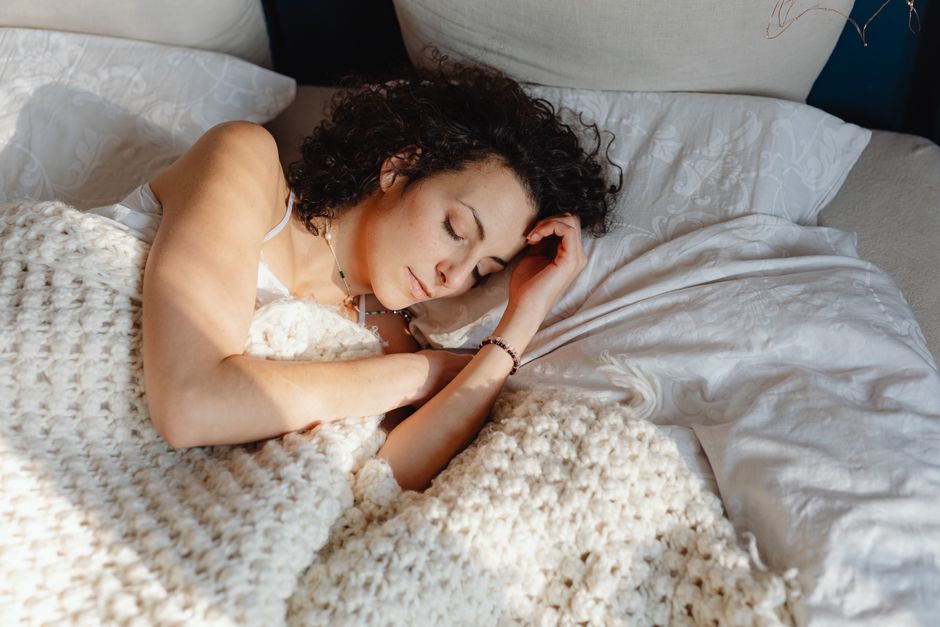
Sleeping on your back is one of the best positions for your spine, but it is not the best choice for everyone. For most people, back sleeping helps keep the head, neck, and spine in a neutral line. This can reduce pain and prevent pressure points. However, if you have sleep apnea or snore heavily, sleeping on your back can make those problems worse. The key is understanding how your body responds and deciding if this position works for you.
What Happens to Your Body When You Sleep on Your Back?
When you lie on your back, your spine can rest in a natural curve. Your head is supported by a pillow, and your lower back touches the mattress. This alignment reduces stress on your joints and muscles. Research shows that back sleeping can help people with chronic back pain feel better over time.
Your internal organs also get more room. There is no pressure on your stomach or lungs from your body weight. This can help with digestion and breathing. But gravity can pull your tongue and soft tissues backward, which narrows your airway. That is why back sleeping is linked to snoring and sleep apnea episodes.
Current research suggests that back sleeping may also reduce the risk of wrinkles. When your face presses against a pillow on your side or stomach, it can create creases over time. Back sleeping keeps your face free of that pressure, though this benefit is minor compared to spinal health.
Is Sleeping On Your Back Good for Back Pain?
Yes, for many people, back sleeping is excellent for back pain. Studies have found that sleeping on your back with proper support can lower morning pain and stiffness. The key is having a mattress that keeps your spine in neutral alignment. A mattress that is too soft lets your hips sink, which twists your lower back. A mattress that is too hard can create pressure points at your shoulders and heels.
You also need the right pillow. A pillow that is too thick pushes your head forward, straining your neck. A pillow that is too flat lets your head drop back, narrowing your airway. The ideal pillow for back sleeping is medium thickness and supports the curve of your neck. Some people find that a small rolled towel under their knees helps take pressure off the lower back.
If you have herniated discs or sciatica, back sleeping may not be the best choice. Lying flat can increase pressure on the discs in some cases. For these conditions, sleeping on your side with a pillow between your knees is often recommended instead.
What Are the Downsides of Sleeping on Your Back?
The biggest downside is the effect on breathing. When you sleep on your back, gravity pulls your tongue and soft palate backward. This can partially block your airway. For people with obstructive sleep apnea, back sleeping can make breathing pauses more frequent and longer. Evidence indicates that about half of people with sleep apnea have worse symptoms when lying on their back.
Snoring is another common problem. Even if you do not have sleep apnea, back sleeping can make snoring louder and more frequent. This can disturb your partner’s sleep and may wake you up during the night.
Some people also experience lower back pain from back sleeping. This happens when the mattress does not support the natural curve of the lower spine. If your hips sink too much, your lower back arches and strains. If your mattress is too firm, your lower back flattens and loses its natural curve.
Pregnant women are generally advised not to sleep on their backs after the first trimester. The weight of the uterus can press on major blood vessels, reducing blood flow to the baby. Side sleeping, especially on the left side, is safer during pregnancy.





How Does Back Sleeping Compare to Side and Stomach Sleeping?
Each sleep position has its own benefits and drawbacks. Here is a simple comparison based on current research:
| Position | Best For | Worst For |
|---|---|---|
| Back | Spinal alignment, neck pain, wrinkle prevention | Snoring, sleep apnea, late pregnancy |
| Side | Sleep apnea, snoring, pregnancy, acid reflux | Shoulder pain, arm numbness, facial wrinkles |
| Stomach | Snoring reduction for some people | Neck strain, lower back pain, breathing difficulty |
Side sleeping is the most common position and often the best for breathing. It keeps the airway more open than back sleeping. But it can cause shoulder pain and facial wrinkles over time. Stomach sleeping is the least recommended by experts. It forces your neck to twist to one side, which strains the cervical spine. It also flattens the natural curve of your lower back.
Back sleeping sits in the middle. It offers the best spinal alignment for many people but only if breathing problems are not an issue. If you have sleep apnea or snore heavily, side sleeping is usually a better choice. If you have neck pain, back sleeping with a proper pillow can be very helpful.
What Can You Do to Make Back Sleeping Easier?
If you want to sleep on your back but find it uncomfortable, there are practical steps you can try. First, check your pillow height. A pillow that is too high or too low will make back sleeping feel wrong. Look for a pillow that keeps your head in line with your spine, not tilted up or down.
Second, add support under your knees. Placing a pillow or rolled towel under your knees takes pressure off your lower back. This small change can make back sleeping much more comfortable. Some people also place a small pillow under their lower back for extra support.
Third, train yourself gradually. If you have slept on your side for years, switching to your back will feel strange at first. Try starting the night on your back and allowing yourself to move to your side if needed. Over a few weeks, your body may adapt.
Some people use positional therapy devices. These include special pillows, wedges, or even wearable devices that vibrate when you roll onto your back. As of 2026, there is no strong evidence that these devices work better than simple pillows, but some people find them helpful.
If you snore or have sleep apnea, do not force yourself to sleep on your back. The risks to your breathing are real. Talk to your doctor before trying to change your sleep position if you have any breathing concerns.
Common Misconceptions About Back Sleeping
One common myth is that back sleeping is always the healthiest position. This is not true. While back sleeping is excellent for spinal alignment, it can be harmful for people with breathing problems. Health is not one-size-fits-all, and your sleep position should match your individual needs.
Another misconception is that you must sleep perfectly flat on your back. In reality, a slight elevation of the head can help with acid reflux and snoring. Using a wedge pillow or adjustable bed base can make back sleeping more comfortable and safer for breathing.
Some people believe that back sleeping causes nightmares or sleep paralysis. This is widely claimed though strong evidence is limited. Some studies suggest that sleep paralysis is more common on the back, but the link is not fully understood. If you experience sleep paralysis, it may be worth trying side sleeping to see if it helps.
Finally, do not think that changing your sleep position will fix all your sleep problems overnight. Sleep quality depends on many factors, including your mattress, pillow, room temperature, stress levels, and overall health. Back sleeping is one piece of the puzzle, not the whole picture.
Frequently Asked Questions
Is sleeping on your back bad for your heart?
For most people, back sleeping does not harm the heart. However, some people with heart failure may find back sleeping uncomfortable because it can make breathing harder.
Can sleeping on your back cause sleep apnea?
Back sleeping does not cause sleep apnea, but it can make existing sleep apnea worse by narrowing the airway. If you have sleep apnea, side sleeping is usually recommended.
How long does it take to get used to sleeping on your back?
It can take anywhere from a few days to a few weeks to adapt. Start by spending the first part of the night on your back and gradually increase the time.
Is it okay to sleep on your back if you are pregnant?
After the first trimester, back sleeping is not recommended because it can reduce blood flow to the baby. Side sleeping, especially on the left side, is safer during pregnancy.
