
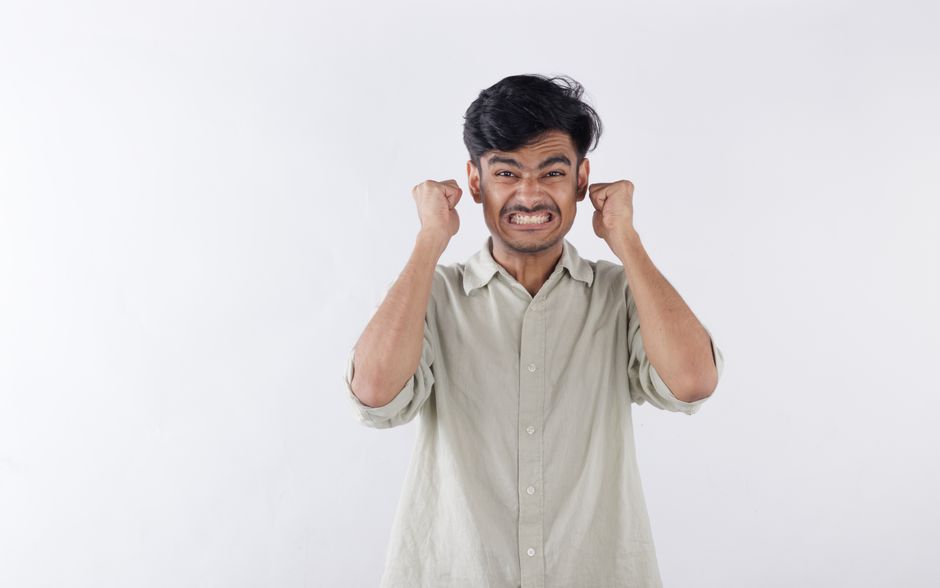
Waking up with a sore jaw, a headache, or sensitive teeth is a clear sign you are clenching or grinding your teeth at night. You are not alone — research shows that about 8 to 10 percent of adults experience this condition, known as sleep bruxism. The direct answer to how to stop clenching your jaw while sleeping involves a combination of a custom mouthguard from your dentist, stress management techniques before bed, and sometimes physical therapy for your jaw muscles. There is no single magic fix, but these steps are the most effective, evidence-backed ways to protect your teeth and reduce the pain.
What Actually Causes Jaw Clenching During Sleep?
Sleep bruxism is not fully understood, but research points to a few key causes. The National Institutes of Health (NIH) notes that it is often linked to a heightened state of arousal during sleep. This means your brain and nervous system are more active than they should be while you rest, and your jaw muscles respond by clenching.
Stress and anxiety are the most common triggers. A 2018 study in the Journal of Oral Rehabilitation found that people with high stress levels are significantly more likely to clench at night. Other factors include certain sleep disorders like sleep apnea, genetics, and even some medications. Antidepressants, particularly SSRIs, have been linked to increased clenching in some people. If you started a new medication around the same time the clenching began, talk to your doctor.
It is also worth noting that for many people, the cause is simply unknown. This is frustrating, but it does not mean treatment is impossible. The goal shifts from finding a root cause to managing the symptoms and preventing damage.
How To Stop Clenching Jaw While Sleeping
The most reliable first step is to see your dentist. They can confirm you are clenching by checking for wear on your teeth, tenderness in your jaw muscles, and other signs. They will likely recommend a custom-fitted mouthguard, also called an occlusal splint or night guard. This is a hard or soft plastic device that fits over your upper or lower teeth. It does not stop the clenching itself, but it protects your teeth from grinding against each other and reduces the strain on your jaw joint.
Over-the-counter mouthguards are widely available, but evidence suggests they are less effective than custom ones. A study in the Journal of Prosthodontics compared the two and found that custom guards fit better, last longer, and are more comfortable to wear all night. A poor-fitting guard can actually make clenching worse or cause jaw pain. Spending the money on a custom guard from your dentist is worth it.
Beyond the guard, focus on what happens before your head hits the pillow. Your jaw muscles need to relax before sleep. A simple technique is to place your tongue on the roof of your mouth behind your front teeth. Let your teeth come apart slightly and relax your jaw muscles. This is called the “resting position” of the jaw. Practice this for a few minutes before bed. Some people find that a warm compress on the jaw for 10 minutes before sleep also helps relax the muscles.
Does Stress Management Actually Help?
Yes, stress management is one of the most effective non-dental treatments. The connection between stress and clenching is well-documented. The American Academy of Sleep Medicine lists stress reduction as a core part of managing sleep bruxism.
What works best? Evidence points to relaxation techniques done right before sleep. A 2020 review in the journal Sleep Medicine Reviews looked at several studies and found that progressive muscle relaxation, guided imagery, and deep breathing exercises each reduced clenching frequency in participants. These are not vague wellness trends — they are specific, repeatable exercises that change your nervous system state.
One non-obvious insight: the timing matters. Doing a full meditation session at 3 PM may not help you at 11 PM. The relaxation needs to be the last thing you do before closing your eyes. Create a wind-down routine that is 10 to 15 minutes long and includes only these relaxation exercises. No screens, no work talk, no planning for the next day. Your brain needs a clear signal that it is time to shift into a restful state.




What About Physical Therapy and Exercises?
Physical therapy for the jaw, called orofacial myofunctional therapy, is gaining more research support. It involves specific exercises to strengthen and relax the jaw, tongue, and facial muscles. A 2019 study in the Journal of Oral Rehabilitation found that people who did these exercises for 12 weeks had a significant reduction in clenching episodes compared to a control group.
Here are a few simple exercises you can try at home, but it is best to work with a trained therapist if your case is severe:
- Tongue rest position: Place your tongue on the roof of your mouth, just behind your front teeth. Keep your teeth slightly apart and lips closed. Hold for 30 seconds. Repeat 5 times.
- Jaw stretch: Open your mouth as wide as is comfortable without pain. Hold for 10 seconds. Close slowly. Repeat 3 times.
- Lateral jaw movement: Move your lower jaw to the right as far as comfortable. Hold for 10 seconds. Repeat to the left. Do 3 reps on each side.
These exercises help retrain your muscles to stay relaxed at night. Consistency is key — doing them for a few days will not produce lasting results. You need to practice them daily for at least a month to see a change.
What Medications Are Used and Do They Work?
Medications are not a first-line treatment for sleep bruxism. No drug is specifically approved by the FDA for this condition. However, doctors sometimes prescribe them for severe cases that do not respond to other treatments.
Muscle relaxants like clonazepam or diazepam are sometimes used for short-term relief. A small study in the Journal of Dental Research found that clonazepam reduced clenching episodes by about 30 percent over a few weeks. But these drugs are sedatives and can be habit-forming. They are not meant for long-term use.
Botox injections into the masseter muscles (the main chewing muscles) are another option. Botox weakens the muscle so it cannot clench as hard. A 2022 meta-analysis in the Journal of Clinical Medicine reviewed 12 studies and found that Botox significantly reduced pain and muscle activity in people with bruxism. The effects last about 3 to 6 months, and the treatment is generally safe when done by an experienced provider. However, it is expensive and not always covered by insurance. It is best reserved for people who have not found relief with a mouthguard and stress management.
As of 2026, there is no clinical evidence that any supplement, including magnesium or melatonin, reliably stops sleep clenching. Some people report better sleep quality with magnesium, which may indirectly help, but it is not a direct treatment. Do not rely on supplements as a primary solution.
What to Avoid If You Clench Your Jaw at Night
Certain habits and products can make clenching worse. Avoid chewing gum during the day. This keeps your jaw muscles active and can make them more prone to clenching at night. Similarly, avoid hard or chewy foods like steak, bagels, or hard candy, especially in the evening. Your jaw muscles need a break.
Caffeine and alcohol are two of the biggest aggravators. Caffeine stimulates your nervous system and can increase muscle activity during sleep. Alcohol, despite making you feel sleepy, disrupts your sleep architecture and can increase clenching. A study in the Journal of Oral Rehabilitation found that alcohol consumption before bed was linked to a 50 percent increase in clenching episodes. If you are serious about stopping, cut caffeine after 2 PM and avoid alcohol within three hours of bedtime.
Do not try to force your jaw open while you sleep. Some people hear about mouthguards and think they can just buy one online and wear it. A poorly fitting guard can shift your jaw out of alignment and cause more pain. Always get a professional fitting.
Comparison of Common Treatments
| Treatment | What It Does | Evidence Level | Cost |
|---|---|---|---|
| Custom mouthguard | Protects teeth, reduces jaw strain | Strong | Moderate (often covered by dental insurance) |
| Stress management (relaxation exercises) | Reduces clenching frequency | Strong | Low to none |
| Physical therapy / jaw exercises | Retrains muscles to stay relaxed | Moderate to strong | Moderate (therapy sessions) |
| Botox injections | Weakens clenching muscles | Moderate | High (rarely covered by insurance) |
| Over-the-counter mouthguard | Some tooth protection | Weak to moderate | Low |
| Muscle relaxant medication | Short-term reduction in clenching | Weak to moderate | Low (but habit-forming) |
When Should You See a Specialist?
If you have been clenching for more than a few weeks and the pain is affecting your daily life, see a dentist. They can check for tooth damage and fit you for a guard. If the guard and basic stress management do not help within a few months, consider seeing a sleep specialist. Sleep bruxism is sometimes linked to sleep apnea, and treating the apnea can stop the clenching.
You should also see a doctor if you have severe morning headaches, jaw pain that wakes you up, or if your jaw locks or clicks when you open it. These can be signs of temporomandibular joint disorder (TMJ), which often goes hand in hand with bruxism. A specialist can offer treatments like physical therapy, trigger point injections, or in rare cases, surgery.
Do not ignore the problem. Long-term clenching can wear down your teeth, cause cracks, and lead to tooth loss. It can also cause chronic facial pain and headaches. The treatments are straightforward and effective for most people. The key is to start with the basics — a custom mouthguard and a real wind-down routine — and then add other options if needed.
Frequently Asked Questions
Can you stop clenching your jaw while sleeping naturally?
Yes, for many people stress management and jaw relaxation exercises done before bed can reduce clenching. These natural methods work best when combined with a custom mouthguard from your dentist.
Does a mouthguard stop you from clenching?
No, a mouthguard does not stop the clenching itself. It protects your teeth from damage and reduces strain on your jaw joint by creating a barrier between your upper and lower teeth.
What vitamin deficiency causes jaw clenching?
There is no strong evidence linking any vitamin deficiency directly to sleep bruxism. Some people report improvement with magnesium, but clinical studies have not confirmed this as a reliable treatment.
How long does it take to stop clenching your jaw at night?
It varies by person. Some see improvement within a few weeks of using a mouthguard and doing relaxation exercises. For others, it takes several months of consistent effort to notice a significant change.
