
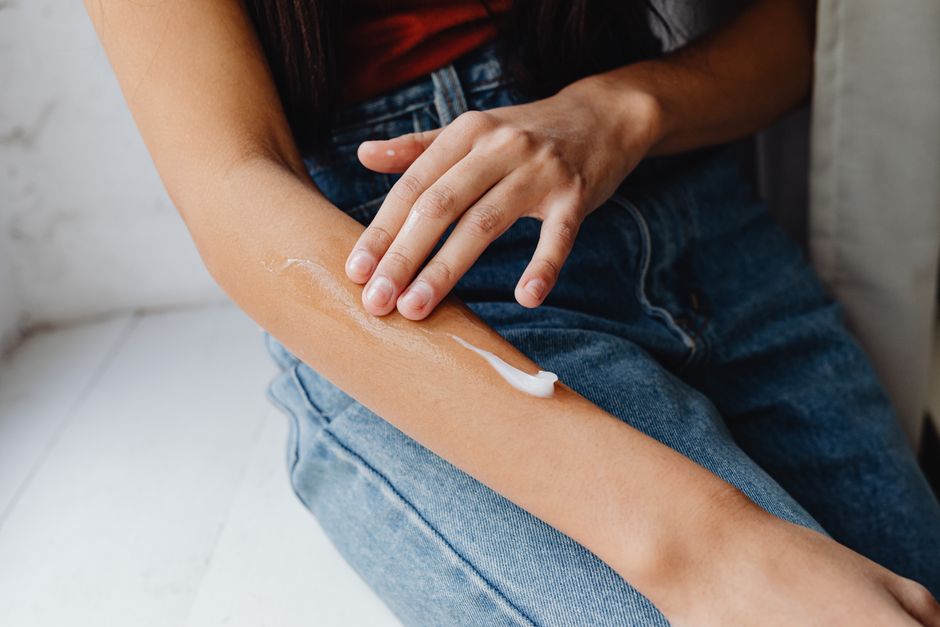
Cold air holds less moisture than warm air, and indoor heating dries out the air even further. When the humidity drops, the water in your skin evaporates faster than your skin can replace it. That is why dry, tight, flaky skin shows up every winter even in people whose skin is fine the rest of the year. The fix is not one product. It is a handful of habits that slow water loss and help your skin hold onto what it has.
Why Does Skin Get So Dry in Winter?
Your skin has an outer layer called the stratum corneum. It works like a brick wall. Skin cells are the bricks, and fats called lipids — ceramides, cholesterol, and fatty acids — are the mortar that holds them together and keeps water inside.
When humidity falls, water moves out of your skin and into the dry air. This is called transepidermal water loss. Cold temperatures also slow the oil production that normally coats and protects your skin. Indoor heating makes it worse by pulling even more moisture out of the air.
So winter hits your skin from two sides at once. The air around you is drier, and your skin’s own barrier is producing less oil to defend itself.
This is also why dry skin in winter can itch, crack, or sting. Once the barrier is disrupted, irritants get in more easily and water gets out more easily. That sets up a cycle that gets worse if you do not address it.
Tip 1: Shorten Your Showers and Lower the Temperature
Long, hot showers feel good in cold weather, but they strip away the lipids that hold water in your skin. The hotter the water and the longer you stay in, the more of that protective oil layer you remove.
Keep showers short and use warm water rather than hot. This one change often makes a noticeable difference within a few days for people with mild dryness.
If you take baths, the same rule applies. Soaking for a long time in very hot water pulls oils out of your skin. A short, warm soak is gentler.
Tip 2: Moisturize Within Minutes of Getting Out
Timing matters more than most people realize. The best moment to apply moisturizer is while your skin is still slightly damp, right after you pat dry. This helps trap that surface water before it evaporates.
Think of moisturizers in two broad groups:
- Humectants like glycerin and hyaluronic acid pull water toward the skin.
- Occlusives like petrolatum and mineral oil sit on top and block water from escaping.
For winter dryness, products that combine both tend to work well. A thick cream or ointment generally holds moisture better than a thin lotion, because lotions contain more water and less oil.
If your skin is very dry or cracked, an ointment is often the better choice. The trade-off is that ointments feel heavier and greasier. That is the point — they seal in moisture.





Tip 3: Choose Fragrance-Free Products
Fragrance is one of the most common causes of skin irritation. When your barrier is already weakened by dry winter air, fragranced soaps, lotions, and detergents are more likely to sting or trigger redness.
Look for products labeled fragrance-free rather than unscented. These are not the same thing. Unscented products may still contain masking fragrances that can irritate sensitive skin.
This applies to more than moisturizer. Laundry detergent, fabric softener, and body wash all touch your skin. Switching to fragrance-free versions of each can reduce irritation for people who are prone to it.
Tip 4: Add Moisture to the Air
Running a humidifier raises the moisture level in your home, which slows water loss from your skin. This is one of the more direct ways to counter the dry indoor air that makes winter skin worse.
Keep indoor humidity in a moderate range. Too little does not help your skin, and too much can encourage mold and dust mites. Many home hygrometers are inexpensive and can tell you where you stand.
An important safety note: humidifiers need regular cleaning. Standing water in a dirty humidifier can grow bacteria and mold, which then get released into the air you breathe. Follow the manufacturer’s cleaning instructions.
Tip 5: Protect Your Skin Outdoors
Cold air, wind, and low humidity all pull moisture from exposed skin. Covering up helps. Gloves, a scarf, and a hat reduce how much skin is directly exposed to cold, dry air.
Cold weather can also worsen certain skin conditions. People with eczema or psoriasis often notice flares in winter. If your skin cracks or bleeds, or if dryness does not improve with basic care, that is a reason to see a clinician rather than keep layering on lotion.
One clarification worth knowing: dry skin and dehydrated skin are not the same thing. Dry skin lacks oil. Dehydrated skin lacks water. Most winter skin problems involve some of both, which is why products that add water and seal it in tend to work best.
Tip 6: Drink Enough Water — But Do Not Expect Miracles
Staying hydrated supports your overall health, and your body needs water to function. But drinking extra water beyond what your body needs does not directly fix dry skin.
This is a common myth. The water you drink does not travel straight to your skin’s surface. Severe dehydration can affect skin, but for most healthy people, chugging water will not clear up winter dryness. Moisturizing from the outside does more for the skin barrier than drinking extra water does.
Drink when you are thirsty and aim for normal hydration. Just do not count on it as your main dry skin fix.
Tip 7: Be Gentle With Your Skin
Scrubbing, exfoliating, and using harsh soaps all damage the barrier that protects your skin. In winter, your barrier is already under stress. Rough treatment makes it worse.
Skip abrasive scrubs and loofahs when your skin is dry. Use a soft cloth and gentle cleanser. Pat your skin dry instead of rubbing it with a towel.
If you shave, use a sharp blade and shave in the direction of hair growth. Shaving can remove the top layer of skin and cause irritation, especially on already dry legs.
Tip 8: Watch What You Eat and Avoid Known Triggers
No single food cures dry skin. But some nutrients support skin health. Omega-3 fatty acids, found in fish and some plant sources, are involved in skin barrier function. Some studies suggest they may help with certain dry skin conditions, though the evidence is not strong enough to call them a treatment.
More useful in winter is avoiding things that dry you out further. Alcohol and caffeine can be dehydrating in large amounts. Very hot, spicy foods can trigger flushing in people prone to it.
If you smoke, know that smoking is associated with poorer skin health and premature skin aging. That is well established. Quitting helps your skin along with everything else.
Which Moisturizer Ingredients Actually Help?
Not all ingredients work the same way. Here is a simple breakdown of common ones.
| Ingredient | Type | What It Does |
|---|---|---|
| Petrolatum | Occlusive | Seals in moisture; among the most effective at reducing water loss |
| Glycerin | Humectant | Pulls water toward the skin |
| Hyaluronic acid | Humectant | Attracts and holds water |
| Ceramides | Lipid | Replaces fats that make up the skin barrier |
| Mineral oil | Occlusive | Slows water loss from the skin surface |
Products that combine a humectant with an occlusive tend to give the best results for winter dryness. A plain humectant on its own can sometimes pull moisture from deeper skin if the air is very dry, so pairing it with a sealing ingredient matters.
When Should You See a Doctor About Dry Skin?
Most winter dryness responds to the habits above. But some signs point to something that needs medical attention.
See a clinician if your skin is severely cracked, bleeding, or oozing. Also seek care if you have intense itching that disrupts sleep, signs of infection like warmth, swelling, or pus, or dryness that does not improve despite consistent moisturizing.
Persistent dry skin can sometimes be a sign of an underlying condition such as eczema, psoriasis, or a thyroid problem. It can also be a side effect of certain medications. A clinician can help sort out the cause.
Frequently Asked Questions
Does drinking more water help dry skin in winter?
Not directly. For most healthy people, drinking extra water beyond normal hydration does not fix dry skin, because the water you drink does not travel straight to your skin’s surface. Moisturizing from the outside does more for the skin barrier.
What is the best time to apply moisturizer?
Apply it within a few minutes of getting out of the shower, while your skin is still slightly damp. This helps trap surface water before it evaporates.
Is petroleum jelly good for dry winter skin?
Yes. Petrolatum is an occlusive, meaning it seals in moisture and is among the most effective ingredients at reducing water loss from the skin. It works best applied to slightly damp skin.
Can dry winter skin be a sign of a medical problem?
Sometimes. Persistent dryness that does not improve with moisturizing, or skin that cracks, bleeds, or itches intensely, can point to conditions like eczema or psoriasis. See a clinician if these signs appear.
