
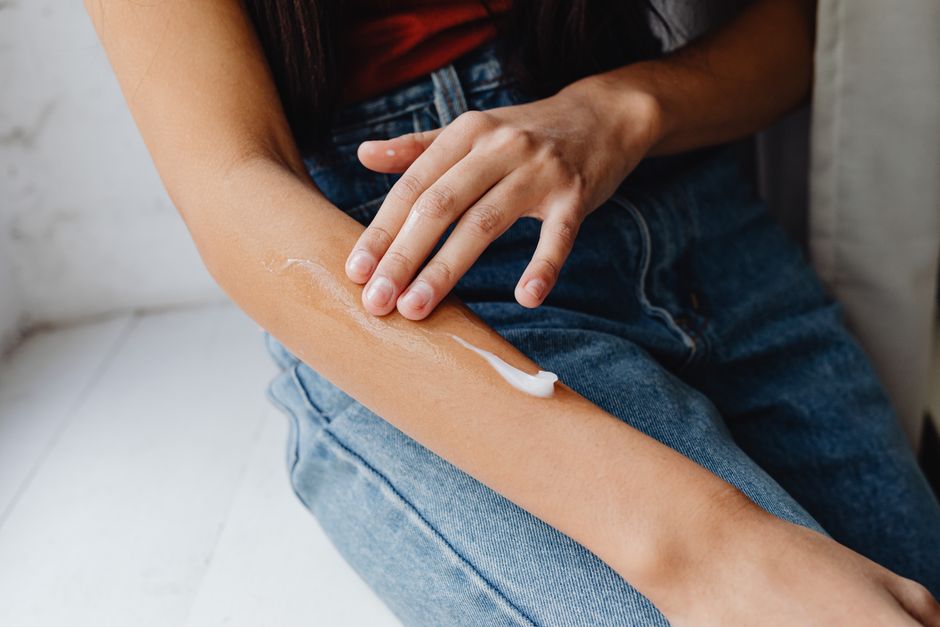
Vaseline is good for dry skin because it is one of the most effective occlusive moisturizers available. It works by creating a physical barrier on the skin’s surface that traps moisture inside and prevents water loss. Unlike lotions that add water to the skin, Vaseline keeps the water already in your skin from escaping, which makes it a reliable and inexpensive option for managing dryness.
How Does Vaseline Actually Work on Dry Skin?
Vaseline is the brand name for petroleum jelly, a semi-solid mixture of hydrocarbons derived from crude oil. It has been used in skin care for over 150 years, and its mechanism of action is well understood.
Your skin loses water continuously through a process called transepidermal water loss (TEWL). When the outer layer of skin, the stratum corneum, is damaged or dry, this water loss increases. Vaseline sits on top of the skin and forms an impermeable film. This film blocks water from evaporating, reducing TEWL by up to 99% in some studies.
This is different from humectant moisturizers, like glycerin or hyaluronic acid, which pull water into the skin from the environment or deeper skin layers. Vaseline does not add water. It locks in what is already there. That is why dermatologists often recommend applying Vaseline to damp skin — the water on the skin’s surface gets sealed in.
Is Vaseline Better Than Regular Body Lotion?
It depends on what you need. Lotions are a mix of water, oils, and emulsifiers. They feel light, absorb quickly, and often contain humectants that draw moisture into the skin. But lotions also evaporate quickly and may need to be reapplied several times a day for severe dryness.
Vaseline is heavier and greasier, but it lasts longer on the skin. One application can keep working for hours because it does not evaporate. For mild dryness, a lotion may be enough. For cracked heels, flaky elbows, or winter-dry hands, Vaseline is often more effective.
Some research suggests that petroleum jelly is as effective as more expensive prescription barrier creams for certain skin conditions. It is also less likely to cause allergic reactions than products with fragrances, botanicals, or preservatives.
The trade-off is cosmetic. Vaseline feels sticky and can stain clothing or sheets. Many people use it only at night or on specific areas like hands and feet, then use a lighter lotion during the day.
What Conditions Does Vaseline Help With?
Vaseline is not a treatment for the underlying cause of dry skin, but it is a reliable symptom manager for several common conditions.
- Xerosis (simple dry skin): Caused by cold weather, low humidity, hot showers, or harsh soaps. Vaseline restores the skin barrier quickly.
- Eczema (atopic dermatitis): The National Eczema Association recognizes petroleum jelly as a safe and effective moisturizer for eczema. It reduces flare-ups by keeping the skin barrier intact.
- Contact dermatitis: If the skin is irritated by an allergen or irritant, Vaseline protects it while it heals.
- Chapped lips: Vaseline is a standard treatment for lip dryness because it prevents moisture loss from the thin skin of the lips.
- Cracked heels or hands: Thick application at night, often with cotton socks or gloves, softens fissures over several days.
- Post-procedure skin: Dermatologists sometimes recommend Vaseline after laser treatments, chemical peels, or microneedling because it supports healing without introducing irritating ingredients.
For all of these, Vaseline is a management tool, not a cure. If the underlying condition is inflammatory or infectious, Vaseline alone will not resolve it.



Are There Any Downsides or Risks?
Vaseline is generally safe for most people, but it is not perfect for every situation.
It can trap bacteria. Because it creates an airtight barrier, applying it to skin that is not clean can seal in dirt or bacteria. This is why you should wash the area gently before applying it, especially if you have a wound or an active infection.
It can cause acne. Petroleum jelly is comedogenic for some people, meaning it can clog pores. If you are prone to acne on the face or chest, use it sparingly on those areas. It is usually well tolerated on the hands, feet, and body.
It is not a treatment for infections. If your dry skin is caused by a fungal or bacterial infection, Vaseline will not fix it. It may even make it worse by keeping the area moist and warm. See a doctor if you have signs of infection such as redness, swelling, warmth, oozing, or a bad smell.
Allergic reactions are rare but possible. Purified petroleum jelly is highly refined and rarely causes allergies. However, some people are sensitive to it. If you develop a rash after using it, stop and try an alternative like shea butter or a fragrance-free ointment.
How Should You Apply Vaseline for Best Results?
Application technique matters more than most people realize. The goal is to seal in moisture, not just to coat the skin.
Apply Vaseline to damp skin within three minutes of showering or washing. Pat the skin dry with a towel, leaving it slightly moist. Then apply a thin layer of Vaseline. This traps the water in the skin and maximizes the moisturizing effect.
For very dry areas like elbows, knees, or feet, apply a thicker layer and cover with clothing or a bandage. Overnight occlusion significantly improves hydration. For cracked heels, applying Vaseline and wearing cotton socks to bed is a common and effective routine.
Do not apply Vaseline to open wounds unless a doctor has told you to. While it can protect minor cuts, it can also trap bacteria in deeper wounds. For surgical incisions or serious injuries, follow your healthcare provider’s instructions.
Vaseline vs. Other Occlusive Moisturizers
Vaseline is not the only occlusive moisturizer, but it is the most studied and the most affordable.
| Moisturizer | Type | Main Benefit | Consideration |
|---|---|---|---|
| Vaseline (petroleum jelly) | Occlusive | Strongest barrier, cheapest, long-lasting | Greasy, may clog pores on face |
| Aquaphor | Occlusive | Contains lanolin and glycerin for added hydration | More expensive, contains lanolin (allergen for some) |
| Shea butter | Occlusive | Natural, absorbs better, feels less greasy | Less potent barrier than petroleum jelly |
| Beeswax | Occlusive | Firm barrier, good for lips | Can feel waxy, may not spread well on large areas |
| Mineral oil | Occlusive | Lightweight, spreads easily | Shorter duration on skin compared to petroleum jelly |
Petroleum jelly remains the gold standard because it is the most effective at reducing water loss. Other products may feel nicer, but none have been shown to outperform it in clinical comparisons.
Is Vaseline Good For Dry Skin Yes Heres Why — The Bottom Line
Vaseline is a safe, effective, and inexpensive way to manage dry skin. It works by physically preventing water loss, which is the primary cause of dryness. It is well studied, widely recommended by dermatologists, and suitable for most skin types when used correctly.
The evidence for its effectiveness is strong. Decades of clinical use and research support it as a first-line moisturizer for conditions like eczema and simple xerosis. It is not glamorous, but it works.
If you have persistent dry skin that does not improve with regular moisturizing, see a dermatologist. Dry skin can sometimes signal an underlying condition like thyroid disease, diabetes, or a skin disorder that needs medical evaluation. But for everyday dryness, Vaseline is a solid, evidence-backed choice.
Frequently Asked Questions
Can I use Vaseline on my face every day?
Yes, but it may cause breakouts if you are prone to acne. Apply a thin layer to damp skin at night and wash it off in the morning if your face feels greasy.
Does Vaseline expire?
Vaseline has a very long shelf life, typically lasting years without going bad. Discard it if the color, smell, or texture changes noticeably.
Is Vaseline safe for babies with dry skin?
Yes, pediatric dermatologists often recommend plain petroleum jelly for infant dry skin and diaper rash. Use a fragrance-free version and apply a thin layer to clean, dry skin.
Can Vaseline make my dry skin worse?
No, but it can feel heavy and trap sweat or dirt if applied to unclean skin. Always apply it to clean, slightly damp skin for the best results.
