
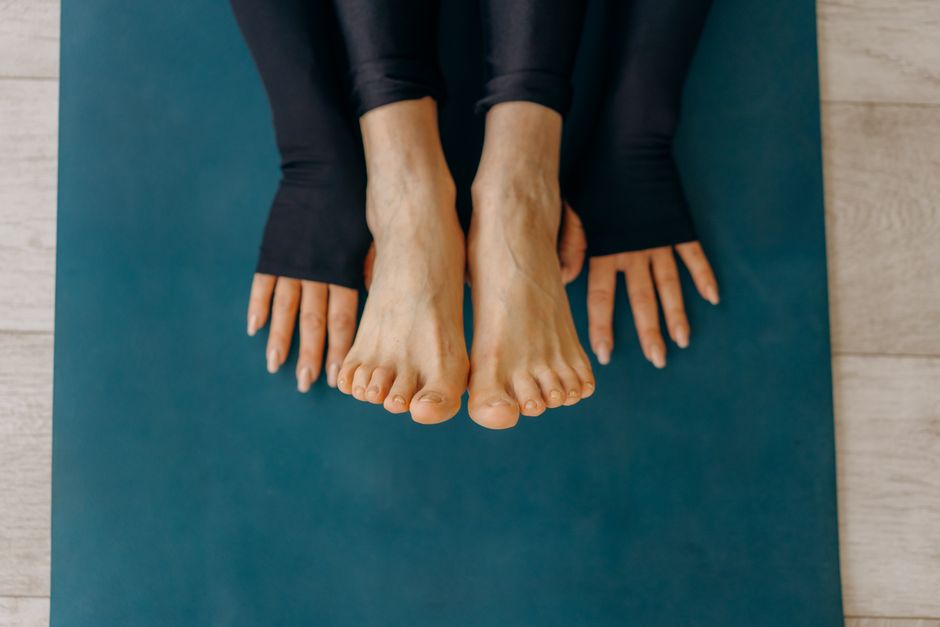
Calluses form when skin is exposed to repeated friction or pressure, and the outer layer thickens to protect the tissue underneath. To avoid them on your feet and hands, remove the source of that friction: shoes that fit properly, gloves for heavy work, and moisturizing before skin gets thick and dry. The thickening itself is a normal protective response, not a disease. The goal is not to attack the callus but to stop the pressure that keeps building it.
What Actually Causes Calluses On Feet And Hands
Skin responds to mechanical stress by building more of itself. When the same spot rubs or presses against something repeatedly, cells in the outer layer multiply faster and produce more keratin, the tough protein that makes up the skin’s surface. The result is a broad, thickened patch with a relatively flat surface.
On the feet, the usual culprits are shoes that are too tight, too loose, or shaped wrong for the foot. A shoe that allows the foot to slide creates shear force with every step. High heels shift weight onto the ball of the foot. Going barefoot on hard surfaces concentrates pressure on the heel and the pad under the big toe.
On the hands, friction comes from tools, sports equipment, and work. Rowing, weightlifting, gardening, and manual labor are common sources. A tool handle that digs into the same spot of the palm hour after hour will produce a callus there.
One point worth separating out: a callus is not the same as a corn. A corn is a smaller, more concentrated plug of hard skin, usually with a painful core pressing into the tissue below. Both come from pressure, but they behave differently and are managed differently.
How To Avoid Calluses On Feet And Hands: The Core Steps
Prevention works by changing the forces on your skin, not by scrubbing the skin away. If you remove a callus but keep the pressure, it comes back. Address the cause and the thickening stops progressing.
For feet, footwear is the single biggest factor. A shoe should have roughly a thumb’s width of space between the end of your longest toe and the front of the shoe. The widest part of your foot should match the widest part of the shoe. Heel slippage is a sign the shoe is either too long or not secured properly.
For hands, gloves are the practical answer for repetitive work. Padded gloves reduce both friction and direct pressure on the palm. For sports like weightlifting, grips and wraps spread the load rather than letting it concentrate on one strip of skin.
Moisturizing matters more than people expect. Dry skin is less flexible and cracks under stress more easily. A thick cream or ointment applied after washing, while skin is still slightly damp, helps keep the surface supple. This does not prevent calluses on its own, but it reduces the cracking and splitting that make them worse.
- Check shoe fit at the end of the day, when feet are at their largest.
- Rotate footwear so no single pair is worn every day.
- Use gloves sized to your hand — a loose glove bunches and creates new pressure points.
- Keep nails trimmed so toes are not pushed against the shoe front.
- Address foot shape issues early rather than waiting for pain.
Which Shoes And Inserts Help Most
Arch support changes where pressure lands on the sole. For people with flat feet or high arches, an insert or a shoe with better support can redistribute load away from the spots that callus most. This is common clinical practice, though the evidence for how much it prevents calluses specifically is not strong. It clearly helps with comfort and with pressure distribution.
Wider toe boxes help when the problem is squeezing. Many athletic and casual shoes now come in wide and extra-wide sizes, and this alone resolves a lot of ball-of-foot and toe calluses. Cushioned insoles help with impact but do less for shear force, which is the sliding motion that drives a lot of callus formation.
For heel calluses, a shoe with a snug heel counter and a slightly raised heel reduces the repeated impact and friction at the back of the foot. Open-back shoes and flip-flops often make heel calluses worse because the foot moves against the strap with every step.




When To See A Professional About A Callus
Most calluses are harmless and respond to better footwear and gloves. Some need a clinician’s eye. See a podiatrist or dermatologist if a callus is painful, bleeds, or has changed in appearance, or if you have diabetes, poor circulation, or numbness in your feet.
Diabetes deserves specific mention. Reduced sensation in the feet means you may not feel a callus turning into an ulcer. For anyone with diabetes, foot care is not optional self-care — it is part of managing the condition, and a professional should assess thickened skin rather than have you cut or file it at home.
Do not use medicated corn-removal pads or acids without medical guidance, particularly if you have diabetes or circulation problems. These products contain salicylic acid and can damage healthy skin or create an open wound that is slow to heal.
If a callus is accompanied by redness, warmth, swelling, or drainage, that suggests infection or another process and needs prompt evaluation. A callus that appears suddenly without an obvious cause of pressure is also worth checking.
What Not To Do: Paring, Cutting, And Harsh Filing
Cutting or shaving a callus with a blade is a common home remedy and a common source of injury. It removes protective skin, can introduce infection, and does nothing about the pressure that will rebuild the callus. The same applies to aggressive filing with a coarse tool.
Soaking and gentle exfoliation with a pumice stone or file, done after a bath when skin is soft, can smooth the surface. The evidence that this prevents calluses is limited — it manages the appearance and texture more than the cause. Do not file into raw or painful skin.
Over-the-counter callus removers containing salicylic acid should be used only as directed and never on broken skin. They are not appropriate for people with diabetes or poor circulation without clinician oversight.
Skin Care Habits That Reduce Recurrence
Once a callus has formed, keeping the skin flexible and the pressure reduced is what stops it from coming back thicker. Moisturize daily, especially after bathing. Look for creams with urea or lactic acid, which both hydrate and gently soften thickened skin. These ingredients are well established for dry, rough skin.
For hands, the same logic applies. If you work with your hands, apply a barrier cream or wear gloves, and moisturize at night. A pair of cotton gloves over moisturizer overnight is a common approach, though the evidence for it is based on general dry-skin care rather than callus-specific trials.
Do not expect a callus to disappear quickly. Thickened skin turns over slowly. With consistent pressure reduction, the callus will gradually thin over weeks, but it will not vanish overnight, and if the pressure returns, so will the callus.
Common Myths About Calluses
One persistent myth is that calluses are a sign of toughness or good conditioning. They are a sign of repeated friction. Athletes who develop them are not immune to the underlying issue — they have simply adapted to a specific load, and they still benefit from managing it.
Another myth is that you should cut calluses off entirely. You should not. The thickened skin is protective. Remove the cause and let it thin naturally rather than cutting it away.
A third is that calluses are purely cosmetic. They can become painful, can crack and bleed, and in people with diabetes or circulation problems can be the starting point for a serious wound. Treating them as purely cosmetic misses the cases where they matter medically.
Frequently Asked Questions
Can calluses on feet and hands go away on their own?
They can thin and fade if the friction or pressure that caused them is removed. If the pressure continues, the callus will persist or return.
Is it safe to cut off a callus at home?
No. Cutting or shaving a callus with a blade can cause injury or infection and does not address the cause. Gentle filing after soaking is safer, and a clinician should handle painful or thick calluses.
Why do I keep getting calluses even with good shoes?
Foot shape, gait, and how much you walk or stand all affect pressure, so shoes alone may not be enough. An insert, a different shoe shape, or an assessment by a podiatrist can help identify the remaining pressure point.
Are calluses a sign of a medical problem?
Usually not — they are a normal response to repeated pressure. In people with diabetes, poor circulation, or numbness in the feet, however, a callus can be the first sign of a developing ulcer and should be checked by a professional.
