
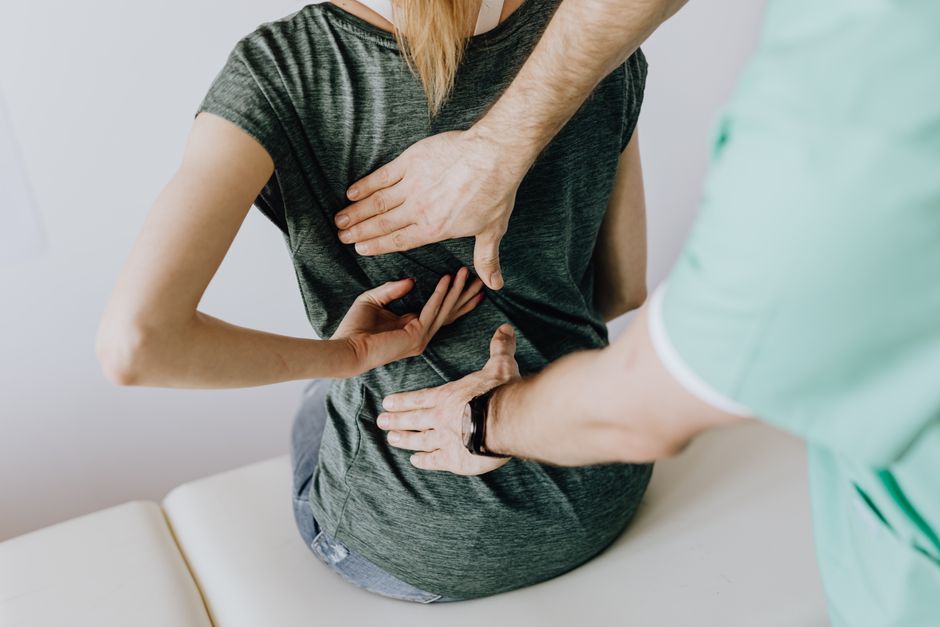
Lower back stiffness can stop you mid-motion. A simple twist or bend becomes a painful event. Many people assume a chiropractor is the only answer. That is not true. You can safely improve mobility and reduce discomfort on your own using specific, gentle techniques. These methods focus on movement and muscle relaxation, not forceful cracking. The goal is to restore normal motion and reduce muscle tension. This guide covers safe self-mobilization techniques, when to avoid them, and when professional care is genuinely necessary.
What Does “Adjusting” Your Lower Back Actually Mean?
The word “adjust” is loaded. In a chiropractor’s office, an adjustment is a high-velocity, low-amplitude thrust. That is a quick, precise push to a specific joint. It often produces a popping sound. That sound is gas releasing from the joint fluid, not bones “going back into place.”
When you adjust your own back, you cannot perform that same maneuver safely. You lack the leverage and the precision. What you can do is self-mobilization. This means moving your joints through their full range of motion using your own muscles and body weight. This approach improves joint glide, reduces stiffness, and relaxes tight muscles. It is safer and often just as effective for everyday tightness.
Is It Safe To Adjust Your Own Lower Back?
For most healthy adults, yes, gentle self-mobilization is safe. The spine is designed to move. Controlled movement helps nourish the spinal discs and keeps the facet joints lubricated. Stiffness often comes from lack of movement, not from something being “out of place.”
However, self-adjustment has limits. You should never force a joint. If you feel sharp pain, stop immediately. You also need to avoid certain movements if you have specific conditions. Never attempt self-adjustment if you have osteoporosis, a recent fracture, signs of nerve compression like leg weakness or numbness, or if you have had spinal surgery. In these cases, professional guidance is essential.
How To Adjust Your Lower Back Without A Chiropractor: Safe Techniques
These techniques are gentle and effective. Move slowly. Breathe normally. Never bounce or force a stretch. The goal is to feel a comfortable stretch or release, not pain.
Knee-To-Chest Stretch
Lie on your back on a firm surface. Bend both knees and keep your feet flat on the floor. Gently pull one knee toward your chest using your hands. Hold for 20-30 seconds. Lower it slowly. Repeat with the other leg. Then pull both knees to your chest together. This stretches the lower back muscles and glutes. It also gently mobilizes the lumbar spine.
Pelvic Tilts
Lie on your back with knees bent and feet flat. Flatten your lower back into the floor by tightening your abdominal muscles. Hold for 5 seconds. Release and let your back arch naturally. Repeat 10-15 times. This is a subtle movement. It improves mobility in the lumbar spine and strengthens the deep core muscles that support your back.
Child’s Pose
Kneel on the floor. Sit back on your heels. Walk your hands forward and lower your chest toward the floor. You should feel a stretch along your entire spine. Hold for 30 seconds. Breathe deeply. This is a resting position that lengthens the back muscles and relieves pressure on the spinal discs.
Cat-Camel Stretch
Start on your hands and knees. Keep your hands directly under your shoulders and knees under your hips. Slowly arch your back toward the ceiling, tucking your chin to your chest. Hold for a moment. Then slowly let your belly drop toward the floor, lifting your head. Move slowly and smoothly. Repeat 8-10 times. This movement mobilizes the entire spine and improves flexibility.
Seated Spinal Twist
Sit on the floor with your legs extended. Bend your right knee and place your right foot flat on the floor outside your left knee. Place your left elbow on the outside of your right knee. Gently twist your torso to the right, looking over your right shoulder. Hold for 20-30 seconds. Repeat on the other side. This improves rotational mobility in the lumbar and thoracic spine.





When Should You Avoid Self-Adjustment?
Some situations require caution. Do not attempt these techniques if you experience any of the following:
- Sharp, shooting pain down your leg
- Numbness or tingling in your legs or feet
- Loss of bladder or bowel control
- Fever or unexplained weight loss
- Recent trauma or fall
- Known osteoporosis or spinal fracture
These symptoms can indicate a more serious condition. A herniated disc pressing on a nerve, a fracture, or an infection requires medical evaluation. Self-mobilization could worsen these conditions. Seek professional medical advice before attempting any self-treatment.
It also matters how you feel during the movement. A mild, dull stretch is normal. Sharp pain is not. If a movement hurts sharply, stop. Do not push through pain. Your body is giving you a signal that something is wrong.
What Actually Causes Lower Back Stiffness?
Understanding the cause helps you choose the right approach. Most lower back stiffness comes from muscle tension and joint restriction. Prolonged sitting tightens the hip flexors and weakens the glutes. This shifts the load onto the lower back muscles. They become overworked and tense. The facet joints in the spine can also become stiff from lack of movement.
Poor posture plays a major role. Sitting hunched over a computer for hours places stress on the lumbar spine. The discs between the vertebrae experience uneven pressure. Over time, this leads to stiffness and discomfort. Weak core muscles fail to support the spine properly. This forces the back muscles to work harder than they should.
Stress also contributes. When you are stressed, your body holds tension in the muscles. The lower back and shoulders are common areas for this. Chronic stress keeps muscles in a state of low-level contraction. This reduces blood flow and increases stiffness.
Why Movement Beats Rest For Most Back Pain
Older advice said to rest until the pain subsided. Research now shows that gentle movement is better for most cases of nonspecific lower back pain. Complete bed rest weakens muscles and slows recovery. Movement keeps the joints lubricated and the muscles conditioned.
Gentle mobilization increases blood flow to the area. This brings oxygen and nutrients to the tissues and removes waste products. It also stimulates the nervous system to reduce pain signals. Movement helps break the cycle of pain, muscle spasm, and further stiffness.
This does not mean you should exercise through severe pain. It means gentle, controlled movement within a comfortable range is beneficial. The techniques described above are appropriate for this purpose. They are not intense workouts. They are mobility exercises designed to restore normal function.
How Long Does It Take To Feel Better?
Results vary. Some people feel relief after a single session. Others need several days of consistent stretching. Acute stiffness from a specific event often improves quickly. Chronic stiffness from years of poor posture takes longer to reverse.
Consistency matters more than intensity. Doing these stretches daily for 5-10 minutes is more effective than doing them intensely once a week. The body adapts to regular movement. Over weeks, you will notice improved flexibility and fewer episodes of stiffness.
If you do not notice any improvement after two weeks of consistent stretching, consult a healthcare professional. You may have an underlying condition that needs specific treatment. Physical therapy is often the next step. A physical therapist can identify muscle imbalances and prescribe targeted exercises.
Strengthening To Prevent Future Stiffness
Mobilization addresses the immediate problem. Strength training prevents it from recurring. The muscles that support your spine need to be strong enough to handle daily demands. The glutes, core, and back extensors are the key players.
Simple exercises like bridges, planks, and bird-dogs build this support system. A bridge involves lying on your back with knees bent and lifting your hips. A plank involves holding a push-up position on your forearms and toes. A bird-dog involves starting on your hands and knees and extending one arm and the opposite leg.
Start with these basic movements. Perform them with good form. Quality matters more than quantity. Building strength gradually reduces the strain on your lower back during everyday activities. This is the long-term solution to recurrent stiffness.
Frequently Asked Questions
Can I crack my own lower back safely?
Gentle self-mobilization is safe, but forceful self-cracking can strain ligaments or irritate joints. Use controlled movements like knee-to-chest stretches and pelvic tilts instead of twisting aggressively to force a pop.
How often should I stretch my lower back?
Daily stretching for 5-10 minutes is ideal for most people. Consistency is more important than session length, and you should never stretch into sharp pain.
Why does my lower back feel like it needs to crack?
That feeling usually comes from joint stiffness and muscle tension, not from a bone being out of place. Regular movement and stretching reduce the urge to crack by improving joint mobility.
When should I see a doctor for lower back pain?
See a doctor if you have leg numbness or weakness, loss of bladder control, fever, or pain that does not improve after two weeks of gentle stretching. Sharp shooting leg pain also warrants professional evaluation.
