
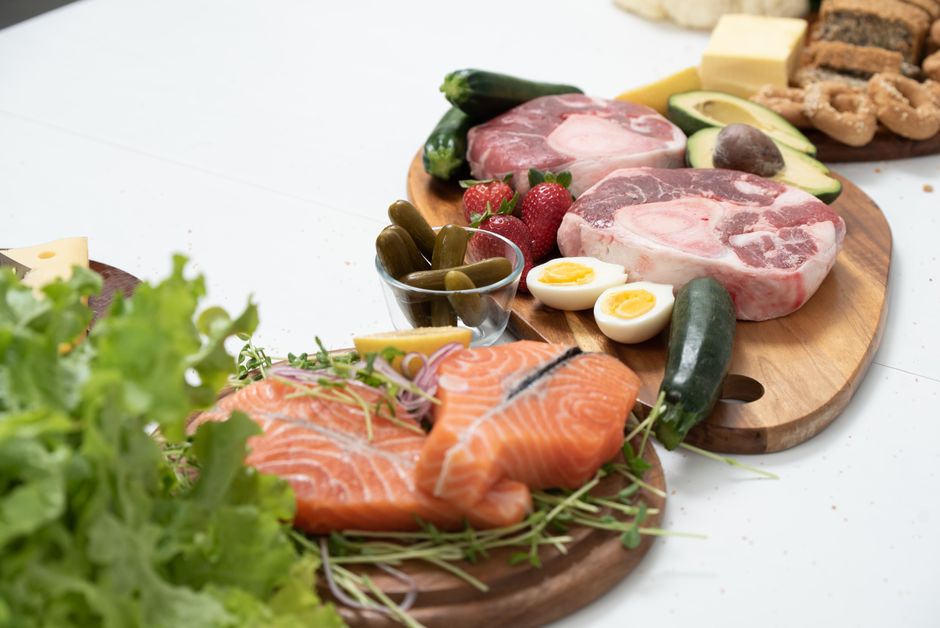
Adding fat to a ketogenic diet without adding protein is a common challenge, especially when you are already meeting your protein needs. The simplest answer is to use pure fats like butter, ghee, oils, and heavy cream, which contain zero protein. You can also choose high-fat foods like avocados, olives, and nuts, which have a much higher fat-to-protein ratio than animal products, allowing you to increase calories and fat intake while keeping protein steady.
Why Does Protein Matter on a Keto Diet?
Protein is essential for maintaining muscle mass and supporting basic bodily functions. However, on a ketogenic diet, your body uses fat for energy instead of carbohydrates. If you eat too much protein, your body can convert excess protein into glucose through a process called gluconeogenesis. This can potentially slow down ketone production, though the effect is often overstated in popular keto discussions.
Most people following keto aim for moderate protein intake. The goal is to eat enough to protect muscle but not so much that it interferes with ketosis. Once you hit your protein target, adding extra calories from fat sources that also contain protein can push you over that limit. This is why choosing pure fats becomes important when you need more energy or calories.
Best Pure Fat Sources With Zero Protein
Pure fats are the most direct way to add fat without any protein. These are extracted from plants or animals and contain little to no protein at all.
- Butter and ghee: Both are nearly pure fat. Ghee has the milk solids removed, making it suitable for those who avoid dairy protein.
- Coconut oil: A plant-based fat that stays solid at room temperature. It contains medium-chain triglycerides (MCTs), which are quickly absorbed and used for energy.
- Olive oil: A staple of the Mediterranean diet, rich in monounsaturated fats. Use it cold for salads or low-heat cooking.
- Avocado oil: Has a high smoke point, making it good for frying and roasting.
- MCT oil: A concentrated form of fat that is rapidly digested. Start with small amounts to avoid stomach upset.
- Heavy cream: Contains trace amounts of protein, but very little compared to its fat content. One tablespoon has about 5 grams of fat and less than 1 gram of protein.
These fats can be added to coffee, drizzled over vegetables, or used in cooking. They do not change the protein content of your meal in any meaningful way.
High-Fat Foods With Minimal Protein
Some whole foods are naturally high in fat and low in protein. These are useful when you want food texture and nutrients along with the fat.
Avocados are one of the best options. A whole avocado contains roughly 21 grams of fat and only about 3 grams of protein. They are also rich in potassium and fiber, which can be helpful on a low-carb diet.
Olives are another good choice. They are mostly fat and contain almost no protein. A 100-gram serving of black olives has about 11 grams of fat and under 1 gram of protein.
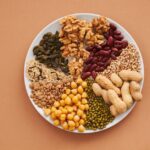
Nuts and seeds vary widely in their fat-to-protein ratio. Macadamia nuts and pecans are the highest in fat and lowest in protein among common nuts. Pecans have about 20 grams of fat and only 3 grams of protein per 100 grams. Macadamia nuts are similar. Almonds and walnuts have more protein, so they should be used in smaller amounts if you are watching protein intake.
Coconut flesh is also high in fat and low in protein. Fresh coconut meat contains about 33 grams of fat and only 3 grams of protein per 100 grams.

How To Add Fat To Your Keto Diet Without Protein in Meals
Adding fat to meals is often easier than you think. The key is to use cooking methods and additions that do not introduce extra protein.
Cook vegetables in fat. Instead of steaming broccoli or spinach, sauté them in butter, ghee, or olive oil. This adds significant fat without changing the protein content of the dish.
Make fat-based sauces. Hollandaise sauce, bearnaise sauce, and simple butter sauces are made primarily from egg yolks and butter. They are high in fat and low in protein. Cream-based sauces using heavy cream also work well.
Add fat to beverages. Bulletproof coffee is a popular way to add fat in the morning. It typically combines coffee, butter, and MCT oil. You can also add heavy cream to tea or sugar-free hot chocolate.
Use fat as a dressing. Olive oil and vinegar, or a simple mixture of olive oil, lemon juice, and herbs, can add fat to salads and cooked vegetables. Store-bought dressings often contain added sugar, so check labels carefully.
Finish meals with a fat drizzle. A spoonful of olive oil or a pat of butter on top of a finished meal adds fat without protein. This is a simple way to increase fat intake if you are still hungry after a meal.
Fat Bombs and Keto Snacks
Fat bombs are small snacks designed to deliver a concentrated amount of fat with minimal protein and carbohydrates. They are typically made from a base of cream cheese, butter, coconut oil, or nut butter, and flavored with cocoa, vanilla, or berries.
Making them at home gives you control over the ingredients. A basic fat bomb recipe might combine coconut oil, butter, and cocoa powder, then freeze the mixture into small portions. These can be stored in the refrigerator or freezer and eaten when you need extra energy.
When buying pre-made fat bombs or keto snacks, read the nutrition label carefully. Some products add protein powder or other protein sources to boost their macros. Look for products with a fat-to-protein ratio of at least 5 to 1 if your goal is to avoid protein.
Tracking Your Macros
To successfully add fat without protein, you need to know what you are eating. Tracking your food intake, even for a few days, can help you understand where your protein is coming from.
Most people eat more protein than they realize. Meat, poultry, fish, and eggs are obvious protein sources, but dairy, nuts, and seeds also contribute. Once you know your baseline, you can adjust your fat intake accordingly.
There is no single perfect macro ratio for everyone on keto. Some people do well with higher protein, while others need to keep it lower. The right approach is to find what works for your body and your goals. If you are adding fat to manage hunger or increase energy, pay attention to how you feel rather than focusing only on numbers.
Common Mistakes When Adding Fat
One common mistake is adding too much fat too quickly. This can cause digestive discomfort, nausea, or diarrhea. Start by adding one or two tablespoons of extra fat per day and see how your body responds.
Another mistake is relying on processed keto products. Many packaged foods labeled as “keto-friendly” contain sugar alcohols, artificial sweeteners, or other additives that may cause digestive issues. Whole food sources of fat are generally better tolerated.
Some people assume that more fat is always better on keto. But fat is still calories. If you are eating fat to maintain your weight, you need to balance it with your total calorie intake. If you are eating fat to gain weight, you may need to add more. There is no universal amount that works for everyone.
Frequently Asked Questions
What is the best pure fat to add to keto coffee?
MCT oil and butter are the most common choices for keto coffee. MCT oil is rapidly absorbed and provides quick energy, while butter adds flavor and creaminess.
Can I eat too much fat on a keto diet?
Yes, eating too much fat can lead to excess calorie intake and weight gain. Fat is calorie-dense, so portion control still matters even on a keto diet.
Are avocados high in protein?
No, avocados are low in protein. A whole avocado has about 3 grams of protein but over 20 grams of fat, making it an excellent choice for adding fat without protein.
Do nuts count as a protein source on keto?
Nuts contain both fat and protein, but the amounts vary by type. Macadamia nuts and pecans are highest in fat and lowest in protein, while almonds and peanuts have more protein.
