
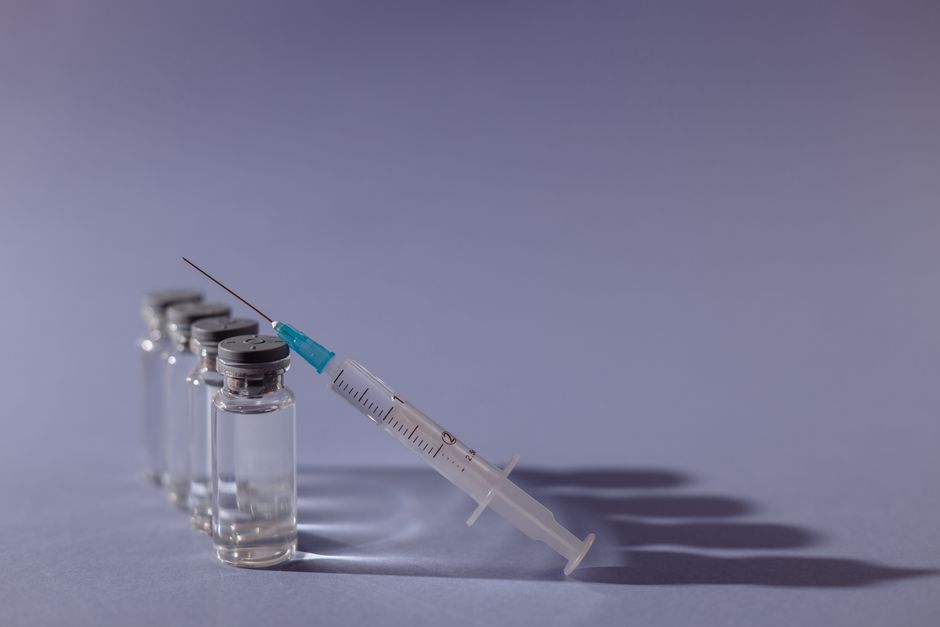
The Sputnik V vaccine was one of the first COVID-19 vaccines approved for use anywhere in the world. It uses a harmless virus to carry genetic instructions into your cells, teaching your immune system to fight the coronavirus. Unlike most other vaccines, it uses two different viruses for the first and second dose, which is a unique approach designed to create a stronger immune response.
How Does the Sputnik V Vaccine Actually Work?
Sputnik V is a viral vector vaccine. This means it uses a modified version of a different virus—in this case, an adenovirus—to deliver a piece of the COVID-19 virus into your body. The adenovirus is harmless and cannot make you sick or replicate.
The vaccine carries the genetic code for the spike protein, the part of the coronavirus that allows it to enter human cells. Once the vaccine enters your cells, they use this code to produce the spike protein. Your immune system recognizes this protein as foreign and builds defenses against it.
If you later encounter the real virus, your immune system already knows how to respond. This is the same basic principle used by the Johnson & Johnson and AstraZeneca vaccines.
What Makes Sputnik V Different From Other Vaccines?
Most two-dose viral vector vaccines use the same adenovirus for both shots. Sputnik V does something different. The first dose uses one adenovirus called Ad26. The second dose uses a different one called Ad5. Both are common cold viruses that have been modified so they cannot cause illness.
This design has a specific purpose. The human immune system can develop immunity to the adenovirus itself after the first dose. If the second dose used the same vector, the immune system might clear it before it could deliver its payload. By switching vectors, the second dose can do its job more effectively. The developers named the vaccine Sputnik V after this idea—the “V” stands for vector.
How Effective Is Sputnik V?
Clinical trial results published in The Lancet in February 2021 reported that Sputnik V had an efficacy rate of 91.6 percent against symptomatic COVID-19. The trial involved nearly 20,000 participants in Russia. This means the vaccine was highly effective at preventing people from getting sick with the virus.
Real-world use has generally supported these findings. Countries that used Sputnik V, including Argentina, Hungary, and the United Arab Emirates, reported significant protection against severe disease and hospitalization. The vaccine also showed strong protection against the Delta variant, though like all vaccines, its effectiveness dropped somewhat against Omicron and its subvariants.





What Are the Side Effects of Sputnik V?
Common side effects are similar to those reported with other COVID-19 vaccines. These include pain at the injection site, fatigue, headache, and mild fever. These symptoms are typically short-lived and resolve within a few days.
Serious side effects are rare. Some countries reported very rare cases of blood clots associated with the Ad5 vector, similar to the rare clotting events seen with the AstraZeneca vaccine. The European Medicines Agency noted these reports but found the overall benefit of the vaccine outweighed the risks. If you have a history of blood clotting disorders, discuss this with your doctor before receiving any viral vector vaccine.
Is Sputnik V Still Used Today?
Use of Sputnik V has declined significantly since the height of the pandemic. The vaccine was never authorized by the World Health Organization or the European Medicines Agency. It was also not approved for use in the United States or the United Kingdom. This was largely due to delays in submitting complete data for review rather than evidence of safety problems.
Production and distribution faced challenges as well. The manufacturer, the Gamaleya Research Institute, struggled to meet demand in some regions. Several countries that initially ordered the vaccine later switched to mRNA vaccines such as Pfizer and Moderna.
As of now, Sputnik V is not widely used in most parts of the world. mRNA vaccines and updated formulations have largely replaced it in countries that have access to them. However, it remains an important part of the history of vaccine development and may still be used in some regions where other vaccines are less available.
How Does Sputnik V Compare to mRNA Vaccines?
The main difference lies in the technology. mRNA vaccines like Pfizer and Moderna use lipid nanoparticles to deliver genetic material directly. Viral vector vaccines like Sputnik V use a harmless virus to carry the same type of instructions.
Both approaches teach your cells to produce the spike protein. Both trigger a strong immune response. The practical differences are in storage requirements and booster strategies. Sputnik V can be stored at standard freezer temperatures, making it easier to distribute in areas without ultra-cold storage. mRNA vaccines require more stringent cold chain management.
Neither technology alters your DNA. The genetic material delivered by both vaccine types stays in the cell’s cytoplasm and does not enter the nucleus where your DNA lives.
Why Did Some Countries Hesitate to Approve Sputnik V?
The primary concern was regulatory transparency. Sputnik V was approved in Russia before the Phase 3 trial data was published. This raised questions about whether the approval process was rushed. The full trial data was eventually published in The Lancet, which is one of the most respected medical journals in the world, and independent reviewers confirmed the results were sound.
There were also manufacturing quality concerns. Some batches produced in different countries showed inconsistent results. India’s drug regulator raised issues about quality control at some production sites. These were logistical problems rather than fundamental flaws in the vaccine’s design.
Political factors also played a role. The vaccine became a symbol of national pride for Russia, and some Western countries were reluctant to approve a vaccine developed by a geopolitical rival. This created an unusual situation where the vaccine was used widely in dozens of countries but never received approval from major Western regulators.
How The Russian Covid Vaccine Works Sputnik V: Key Facts Summary
Sputnik V is a two-dose viral vector vaccine using two different adenoviruses. It was the first COVID-19 vaccine registered for use worldwide and showed strong efficacy in clinical trials. It is not currently used widely due to regulatory and supply issues, not because of demonstrated safety problems.
The vaccine’s unique two-vector design was innovative at the time. It addressed a real problem with viral vector immunity. While it has largely been replaced by newer vaccines in most countries, it played a significant role in the global fight against COVID-19 and demonstrated that viral vector technology could be effective on a massive scale.
Frequently Asked Questions
Is Sputnik V a live virus vaccine?
No. Sputnik V uses modified adenoviruses that cannot replicate or cause illness. They only serve as delivery vehicles for the genetic instructions.
Can Sputnik V change my DNA?
No. The genetic material delivered by the vaccine does not enter the nucleus of your cells where DNA is stored. It stays in the cytoplasm and is broken down after producing the spike protein.
Is Sputnik V as effective as Pfizer or Moderna?
Clinical trials showed Sputnik V had efficacy of about 91.6 percent, which is comparable to the mRNA vaccines. Direct head-to-head comparisons were not conducted, so exact differences are unknown.
Why was Sputnik V not approved in the United States?
The manufacturer did not submit complete data to the U.S. Food and Drug Administration for review. The vaccine was also developed during a period of intense geopolitical tension, which complicated regulatory processes.
