
Yes, you can donate plasma after a COVID-19 vaccine. There is no required waiting period after receiving a COVID-19 vaccine before donating plasma. The U.S. Food and Drug Administration (FDA) and the American Red Cross both state that COVID-19 vaccination does not disqualify you from donating plasma. You just need to be symptom-free and feeling well on the day of donation. This applies to all authorized COVID-19 vaccines, including mRNA vaccines like Pfizer and Moderna, and viral vector vaccines like Johnson & Johnson.
This is a straightforward answer, but many people still hesitate because of misinformation or confusion about how donation centers work. The rules are clear, and the evidence supports them. Let’s walk through what you actually need to know.
Do You Need to Wait Any Time After the Shot?
No waiting period is required. You can donate plasma the same day you get your COVID-19 vaccine, as long as you feel well. The FDA removed the deferral period for COVID-19 vaccines early in the vaccination rollout. This is different from some other vaccines, like the flu shot or MMR, where a short waiting period may apply.
The reason is simple. COVID-19 vaccines do not contain live virus. They cannot cause infection. They also do not affect the safety or quality of donated plasma. The FDA reviewed the evidence and concluded there is no reason to delay donation.
Some donation centers may ask you to wait 24 to 48 hours as a precaution if you have side effects like fever or body aches. This is not a rule. It is a practical decision to keep you safe. If you feel fine, you are fine to donate.
Can You Donate Convalescent Plasma After Vaccination?
Convalescent plasma is a different type of donation. It comes from people who have recovered from COVID-19. Their plasma contains antibodies that may help others fight the virus. This is not the same as standard plasma donation.
If you are fully vaccinated and have never had COVID-19, you cannot donate convalescent plasma. The antibodies in your plasma come from the vaccine, not from an infection. Some studies suggest vaccine-induced antibodies are present in plasma, but donation centers typically require a documented COVID-19 infection history for convalescent plasma.
If you had COVID-19 in the past and are now vaccinated, you may be eligible to donate convalescent plasma. The rules vary by center. The Red Cross and other major organizations have specific criteria. You generally need a positive COVID-19 test result and a doctor’s note confirming recovery.
Current research suggests that plasma from vaccinated donors who also had COVID-19 may contain higher antibody levels than plasma from infection alone. As of 2026, some blood centers are studying this. But standard convalescent plasma donation still requires a prior infection.
What Are the Eligibility Rules for Plasma Donation?
Eligibility for plasma donation is about your general health, not just your vaccination status. The rules are similar to whole blood donation with a few extra steps. Plasma donation takes longer and removes more fluid, so your body needs to handle that.
General requirements include being at least 17 years old, weighing at least 110 pounds, and being in good health. You cannot have a fever, cough, or other signs of illness on donation day. You also need to pass a health screening and answer questions about your medical history.
Medications matter. Most common medications like blood pressure drugs or thyroid medication do not disqualify you. But some medications require a waiting period after the last dose. You must be honest about what you take. Donation centers check this carefully.
Travel history can also affect eligibility. If you recently traveled to an area with malaria or certain other diseases, you may need to wait. This is unrelated to COVID-19. It is a standard safety measure for all donors.


Does the Vaccine Affect the Quality of Your Plasma?
No. The vaccine does not make your plasma unsafe or less useful. Your plasma is still used for the same medical purposes: treating burn victims, trauma patients, and people with clotting disorders. The FDA and blood centers have tested this extensively.
There is a common myth that vaccine ingredients stay in your blood for a long time and could harm someone who receives your plasma. This is not true. The mRNA from the vaccine breaks down within days. The spike protein your body produces is also cleared quickly. By the time you donate, there is no meaningful amount of vaccine material left in your plasma.
Some people worry that antibodies from the vaccine could interfere with medical treatments in the recipient. This is not a concern. Plasma recipients are not harmed by antibodies against COVID-19. In fact, those antibodies may provide some passive immunity, though this is not the intended purpose of standard plasma donation.
The table below summarizes the key differences between standard plasma donation and convalescent plasma donation after vaccination.
| Type of Donation | Vaccination Status | Waiting Period | Antibodies Required |
|---|---|---|---|
| Standard Plasma | Any | None if feeling well | No |
| Convalescent Plasma | Vaccinated only (no prior COVID) | Not eligible | Yes, from infection |
| Convalescent Plasma | Vaccinated + prior COVID | May be eligible | Yes, from infection |
Are There Any Side Effects or Risks from Donating After the Vaccine?
The risks of donating plasma after vaccination are the same as donating at any other time. Plasma donation removes fluid and proteins from your blood. You may feel lightheaded, tired, or dehydrated. Some people experience a drop in blood pressure during or after donation.
These effects are usually mild and go away within a few hours. Drinking water and eating a good meal before donation helps reduce them. You should avoid heavy exercise for the rest of the day.
If you had a strong reaction to the vaccine, like a fever or severe fatigue, wait until those symptoms resolve. Donating while you feel sick is not safe. Your body is already working to recover from the vaccine. Adding plasma donation on top of that can make you feel worse.
There is no evidence that donating plasma weakens your immune response to the vaccine. Your body produces antibodies independently of your plasma volume. The vaccine response is driven by your immune cells, not by the plasma circulating in your blood. Donating plasma does not remove those cells.
Common Misconceptions About Donating Plasma After the COVID Vaccine
Misinformation spreads quickly online. Here are some claims that are not supported by evidence.
- Myth: You cannot donate if you got an mRNA vaccine because it changes your DNA. This is false. mRNA vaccines do not enter the nucleus of your cells. They cannot alter your DNA. The FDA and multiple studies have confirmed this.
- Myth: Your plasma will contain vaccine particles that are dangerous to others. This is false. The mRNA breaks down in your body within days. The spike protein is produced temporarily and cleared. Your plasma is safe.
- Myth: You need to wait months after vaccination to donate. This is false. No waiting period is required by any major health authority. Some centers may ask you to wait if you have side effects, but that is a short-term precaution.
- Myth: Donating plasma will reduce your vaccine effectiveness. This is false. Your immune response depends on memory cells and antibodies produced by your bone marrow and lymph nodes. Plasma donation does not remove those cells.
If you hear something that sounds concerning, check the source. The FDA, CDC, and American Red Cross all provide clear guidance on donation after vaccination. Personal anecdotes on social media are not reliable evidence.
What to Expect at the Donation Center
When you arrive at a plasma donation center, you will check in and show identification. You will answer a health questionnaire that includes questions about recent vaccinations. You will tell them you received a COVID-19 vaccine. They will not turn you away.
Your temperature will be checked. You will have a brief physical exam that checks your pulse, blood pressure, and hemoglobin level. If everything looks good, you will be taken to a donation bed.
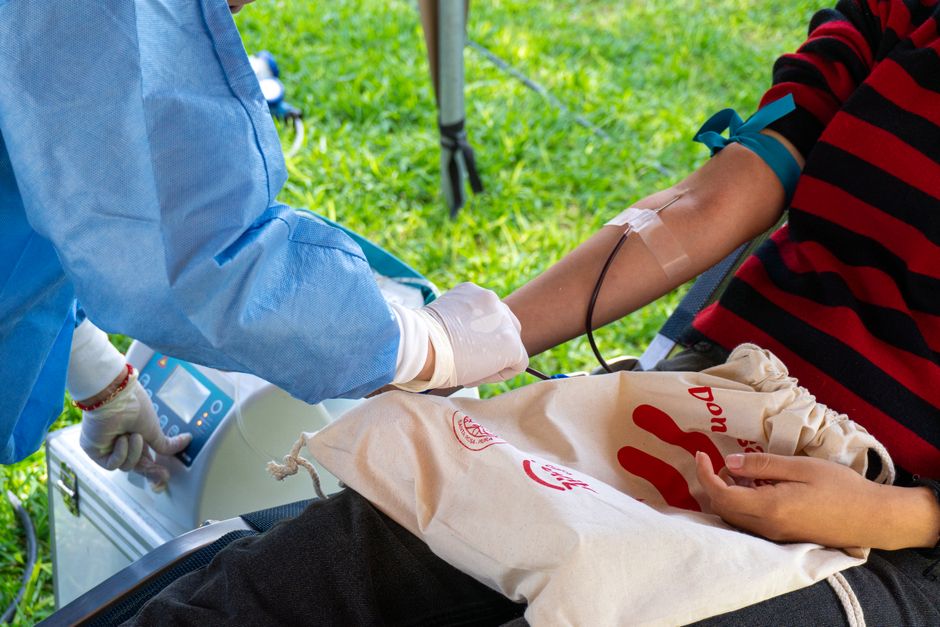
Plasma donation takes about 60 to 90 minutes. A needle is placed in your arm, and blood is drawn into a machine that separates the plasma. The red blood cells and platelets are returned to your body with a saline solution. You will be monitored during the process.
After donation, you will rest for 10 to 15 minutes and have a snack. You should drink extra fluids for the next 24 hours. You can resume normal activities the next day, but avoid heavy lifting or intense exercise for the rest of the donation day.
Frequently Asked Questions
Can I donate plasma the same day as my COVID-19 vaccine?
Yes, as long as you feel well and have no fever or other side effects. The FDA does not require any waiting period.
Will my plasma be tested for COVID-19 antibodies before donation?
No, standard plasma donation does not test for antibodies. Only convalescent plasma programs may test for antibody levels.
Can I donate plasma if I had a booster shot?
Yes, the same rules apply. No waiting period is needed after any authorized COVID-19 vaccine or booster.
Does donating plasma after the vaccine affect my immune system?
No, your immune system is not weakened by plasma donation. The vaccine response continues normally in your body.
