

Ovulation is the moment a mature egg is released from an ovary, and it usually happens about halfway through the menstrual cycle. The cycle has two main phases before and after that release, and hormones rise and fall in a predictable pattern to drive it. Learning the phases and the physical signs can help you understand your own cycle, whether you are tracking fertility or just want to know what your body is doing.
How Does the Ovulation Cycle Work?
The ovulation cycle is a repeating loop of hormone signals between the brain and the ovaries. It starts on the first day of your period and ends the day before your next period begins.
The brain’s hypothalamus signals the pituitary gland to release follicle-stimulating hormone (FSH). FSH tells a group of eggs in the ovaries to start maturing. As one follicle grows, it produces estrogen. Rising estrogen eventually triggers a sharp surge of luteinizing hormone (LH) from the pituitary. That LH surge causes the mature follicle to rupture and release its egg, usually within a day or two.
After release, the empty follicle becomes a structure called the corpus luteum. It produces progesterone, which prepares the uterine lining for a possible pregnancy. If no pregnancy occurs, the corpus luteum breaks down, progesterone drops, and the lining sheds as a period. Then the cycle starts again.
A common misconception is that ovulation always happens on day 14. That is true only for a 28-day cycle. Cycle length varies widely between people and even from month to month in the same person.
What Are the Phases of the Ovulation Cycle?
The cycle is usually divided into two ovarian phases (follicular and luteal) and two uterine phases (menstrual and proliferative), but for understanding ovulation the simplest split is before and after the egg is released.
The Follicular Phase
This phase begins on day one of your period and ends with ovulation. During this time, FSH recruits several follicles, each containing an egg. Typically one follicle becomes dominant while the others stop growing. That dominant follicle releases increasing amounts of estrogen, which thickens the uterine lining. The follicular phase is the most variable part of the cycle — it can last anywhere from about 10 to 20 days or more.
Ovulation
When estrogen reaches a high enough level, it flips its effect on the brain from suppressing to stimulating LH release. The result is the LH surge. Roughly 24 to 36 hours after that surge begins, the follicle ruptures and releases the egg. The egg then travels into the fallopian tube, where it can be fertilized for about 12 to 24 hours. This is the only window in the cycle when pregnancy can occur from intercourse on that specific day.
The Luteal Phase
After ovulation, the ruptured follicle becomes the corpus luteum and starts producing progesterone. This phase is more consistent in length than the follicular phase, typically lasting about 14 days. Progesterone keeps the uterine lining thick and ready for a fertilized egg. If no pregnancy happens, the corpus luteum stops working after about two weeks, hormone levels fall, and the next period begins.
What Are the Physical Signs of Ovulation?
Not everyone notices signs of ovulation, and the signs that do appear can vary from cycle to cycle. No single sign confirms ovulation on its own.
- Changes in cervical mucus. As estrogen rises, mucus becomes clearer, wetter, and stretchier — often compared to raw egg white. After ovulation, progesterone makes it thicker and less stretchy.
- Mild pelvic pain. Some people feel a one-sided twinge or ache called mittelschmerz around the time of ovulation. It is usually brief and harmless.
- Basal body temperature shift. After ovulation, resting body temperature rises slightly — typically by a few tenths of a degree Fahrenheit — and stays elevated until the next period. This confirms ovulation after the fact, not before.
- Breast tenderness or bloating. These are more often linked to the progesterone rise after ovulation than to ovulation itself.
- Increased libido. Some people notice a peak in sexual interest around ovulation, though this varies widely.
These signs are clues, not proof. If you need to confirm ovulation, a doctor may recommend ovulation predictor kits, which detect the LH surge in urine, or a blood test for progesterone in the second half of the cycle.




How Long Does Ovulation Last?
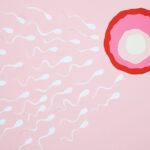
The release of the egg itself is a brief event — the follicle ruptures and the egg is expelled within minutes. But the fertile window around ovulation is longer because sperm can survive in the reproductive tract for up to about five days.
That means the fertile window typically spans the five days before ovulation plus the day of ovulation. Pregnancy is most likely from intercourse in the two days before ovulation and on the day itself. After the egg is released, it remains viable for roughly 12 to 24 hours. Once that window passes, pregnancy cannot occur until the next cycle.
The timing of ovulation shifts if your cycle length changes. In a 28-day cycle, ovulation often falls around day 14. In a 35-day cycle, it may fall closer to day 21. This is why counting days alone is an unreliable way to predict ovulation for many people.
What Can Affect Ovulation?
Ovulation depends on a precise hormone conversation between the brain and ovaries, and many things can interrupt it.
Significant weight loss or weight gain, intense exercise, high stress, and poor sleep can all disrupt the signals that trigger ovulation. So can thyroid problems, high prolactin levels, and polycystic ovary syndrome (PCOS), a common hormonal condition in which ovulation may be irregular or absent. Perimenopause — the years leading up to menopause — also causes ovulation to become less predictable as egg supply declines.
Certain medications can affect ovulation, including some antidepressants and antipsychotics that raise prolactin. If your cycles are consistently shorter than 21 days, longer than 35 days, or absent, that is worth discussing with a clinician. Irregular ovulation is a common cause of difficulty getting pregnant, and it is often treatable.
How Do You Track Ovulation Accurately?
No method is perfect, but combining a few approaches gives a clearer picture than any single sign.
Ovulation predictor kits detect the LH surge in urine, which usually happens one to two days before ovulation. They are more useful for predicting ovulation than basal body temperature, which only confirms it after the fact. Tracking cervical mucus changes day to day can also help, since the mucus becomes most fertile-looking right before ovulation.
Apps that estimate ovulation based on past cycle lengths can be helpful for general awareness, but they rely on averages and can be off by several days. If you are trying to conceive or having trouble with irregular cycles, a doctor can confirm ovulation with a mid-luteal progesterone blood test or ultrasound monitoring.
Frequently Asked Questions
How many days after your period do you ovulate?
It varies by cycle length. In a 28-day cycle, ovulation typically occurs around day 14, which is about two weeks after the first day of your period. In longer cycles, it happens later.
Can you get pregnant without noticing any ovulation signs?
Yes. Many people ovulate without feeling pain or noticing mucus changes, and pregnancy is still possible. Signs are helpful but not required for ovulation to occur.
Does ovulation always happen on day 14?
No. Day 14 applies only to a 28-day cycle, and even then it is an average. Ovulation timing shifts with cycle length and can vary from month to month.
How long is the egg alive after ovulation?
The egg remains viable for roughly 12 to 24 hours after release. Sperm can survive longer, which is why the fertile window starts a few days before ovulation.
