
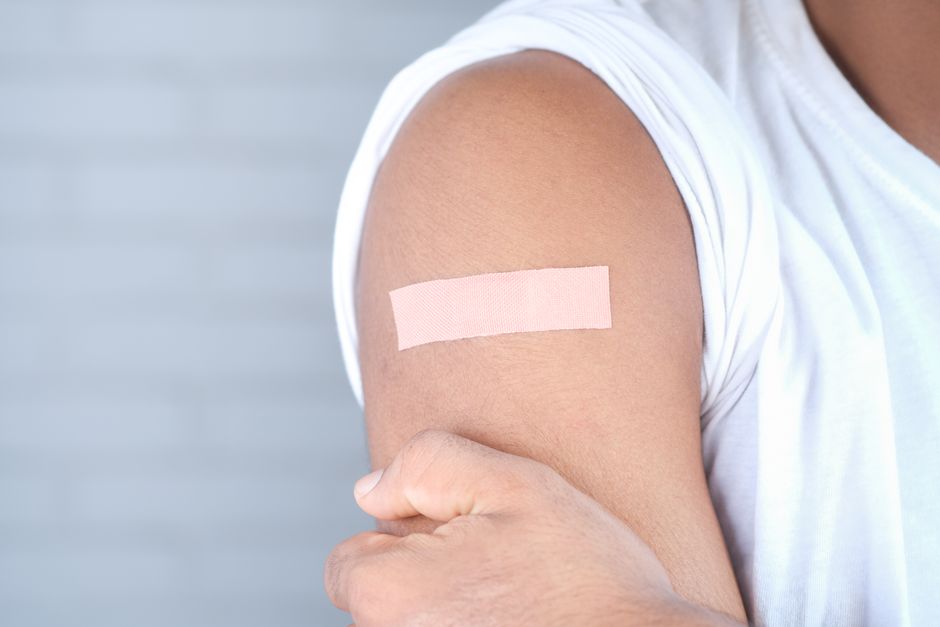
Most people get a flu shot in seconds and never think about it again. But in the days that follow, your immune system is doing something remarkable — it is learning to recognize a virus it has never actually met.
The flu vaccine works by showing your immune system a harmless preview of the influenza virus. Your body responds by building antibodies and training memory immune cells. If you later encounter the real virus, those defenses are already in place and can respond faster and more effectively.
That process takes about two weeks to complete. What happens during those two weeks — and why the vaccine is rebuilt almost every year — is where the real story lies.
How Does the Flu Vaccine Teach Your Immune System?
Your immune system learns by recognition. It identifies proteins on the surface of a virus and builds tools to match them.
The influenza virus wears two key proteins on its outer shell: hemagglutinin (HA) and neuraminidase (NA). These are the targets your immune system cares about most. The flu vaccine introduces your body to these proteins in a form that cannot cause illness.
There are two main ways this happens.
Inactivated vaccines contain killed virus or purified pieces of it. The virus cannot replicate. Your immune system sees the proteins, recognizes them as foreign, and begins building a response.
Live attenuated vaccines contain a weakened form of the virus. It can replicate in the cooler environment of your nasal passages but cannot survive in the warmer temperatures of your lungs. This mimics natural infection more closely, but the virus is engineered so it cannot cause disease in healthy people.
In both cases, the goal is the same: give your immune system a safe look at the virus so it can prepare without you getting sick.
What Happens in Your Body After the Shot?
The injection delivers vaccine material into your muscle — usually the upper arm. From there, your immune system takes over in a sequence that unfolds over days.
Within hours, innate immune cells arrive at the injection site. These are your body’s first responders — cells like macrophages and dendritic cells that recognize foreign material without needing to learn anything specific. They engulf the vaccine proteins and begin breaking them down.
Dendritic cells are the messengers. They carry fragments of the viral proteins to nearby lymph nodes, where they present those fragments to T cells and B cells. This is the moment your adaptive immune system — the part that learns and remembers — gets its first look at influenza.
B cells that recognize the viral proteins begin to multiply. Some become plasma cells that pump out antibodies. Others become memory B cells that will remain in your body for months or years, ready to respond if the real virus appears.
T cells also play a role. Helper T cells coordinate the response and support B cell activity. Cytotoxic T cells can recognize and destroy cells that have been infected by the actual virus.
This entire process takes about two weeks to reach full strength. That is why you can still get the flu during the window between your shot and your peak protection.
Why Do You Sometimes Feel Sick After the Shot?
Some people feel tired, achy, or mildly feverish for a day or two after vaccination. This is not the flu. It is your immune system responding to the vaccine.
The symptoms come from cytokines — signaling molecules that immune cells release as they coordinate their response. Fever, fatigue, and muscle aches are signs that your immune system is active, not that it has been infected.
Not everyone experiences these symptoms. Some people feel nothing at all. Neither response tells you how well the vaccine is working.
How Long Does It Take to Build Protection?
Your immune system does not flip a switch. It ramps up.
Antibody levels begin to rise within days of vaccination. They typically reach their peak around two weeks after the shot. At that point, your body has enough circulating antibodies and memory cells to mount a strong defense if it encounters the real virus.
Protection does not last forever. Antibody levels decline over months. The strains circulating in the population also change. That combination is why annual vaccination is recommended rather than a one-time shot.
The CDC recommends getting vaccinated by the end of October for most people, though vaccination later in the season can still provide protection. Flu activity typically peaks between December and February, so earlier vaccination gives your body more time to build immunity before the season hits hardest.





Why Does the Flu Vaccine Change Every Year?
Influenza is not one virus. It is a family of viruses that constantly changes.
Two main types cause seasonal illness in people: influenza A and influenza B. Influenza A is further divided into subtypes based on the HA and NA proteins — H1N1 and H3N2 are the ones most commonly circulating in humans.
These viruses mutate. Small changes accumulate over time in a process called antigenic drift. When enough changes pile up, antibodies from last year’s vaccine or infection may no longer recognize the virus well. This is why the vaccine is updated annually.
A global network of laboratories tracks which strains are circulating and how they are changing. Each year, public health agencies make a recommendation about which strains to include in the next vaccine. The goal is to match the vaccine to the viruses most likely to circulate in the coming season.
The match is not always perfect. When the circulating strains differ from the vaccine strains, protection is lower. When they match well, protection is better. This variability is a real limitation of flu vaccination — and one that researchers are actively working to address with vaccines that target more stable parts of the virus.
Does the Flu Vaccine Prevent All Flu Cases?
No. The flu vaccine reduces your risk of getting sick, but it does not eliminate it.
Vaccine effectiveness varies from season to season. It depends on how well the vaccine strains match the circulating viruses, your age, your health status, and how your individual immune system responds.
Even when the vaccine does not prevent infection entirely, it can reduce the severity of illness. People who are vaccinated and still get the flu tend to have milder symptoms and are less likely to be hospitalized compared to unvaccinated people who get sick. Some research suggests vaccination also reduces the risk of serious complications like pneumonia and cardiovascular events, though the strength of that evidence varies by outcome and population.
Two groups are at higher risk of severe flu complications: adults over 65 and people with certain chronic conditions like heart disease, diabetes, and lung disease. For these groups, the vaccine’s role in reducing hospitalization risk is particularly important. High-dose and adjuvanted vaccines are available for adults 65 and older, designed to produce a stronger immune response.
What About Herd Immunity and Transmission?
When enough people in a community are vaccinated, the virus has fewer opportunities to spread. This indirect protection is called herd immunity, and it matters most for people who cannot be vaccinated — infants under six months, people with certain immune conditions, and those with severe allergies to vaccine components.
The flu vaccine’s effect on transmission is real but limited. It reduces the chance that a vaccinated person will get infected and pass the virus on, but it does not block transmission completely. Because influenza spreads so efficiently and the vaccine is not perfectly effective, herd immunity for flu is harder to achieve than for diseases like measles, where the vaccine is highly effective at blocking transmission.
That does not make vaccination pointless. It means the primary benefit of flu vaccination is protection for the person receiving it — and reduced spread is a secondary benefit that helps the community.
Can You Get the Flu From the Flu Shot?
No. The injected flu vaccine cannot give you the flu.
Inactivated vaccines contain killed virus or pieces of virus that cannot replicate. The live attenuated nasal spray contains a weakened virus engineered to grow only in the cooler temperatures of the nose, not the warmer temperatures of the lungs. It cannot cause influenza.
If you get sick shortly after vaccination, the most likely explanations are that you were already exposed to a virus before the vaccine took effect, or you caught a different virus that causes similar symptoms. The vaccine takes about two weeks to build protection, and it only protects against influenza — not the many other viruses that cause cold-like illness.
Frequently Asked Questions
How long after the flu shot are you protected?
It takes about two weeks for your immune system to build full protection after vaccination. You can still get the flu during that window if you are exposed to the virus.
Does the flu vaccine make you immune for life?
No. Protection declines over months, and influenza viruses change from year to year. That is why annual vaccination is recommended.
What happens in your body after the flu vaccine?
Immune cells recognize the viral proteins in the vaccine and begin producing antibodies and memory cells. This process peaks around two weeks after the shot.
Can you still get the flu after vaccination?
Yes. The vaccine reduces your risk but does not eliminate it, and effectiveness varies depending on how well the vaccine strains match the circulating viruses.
