
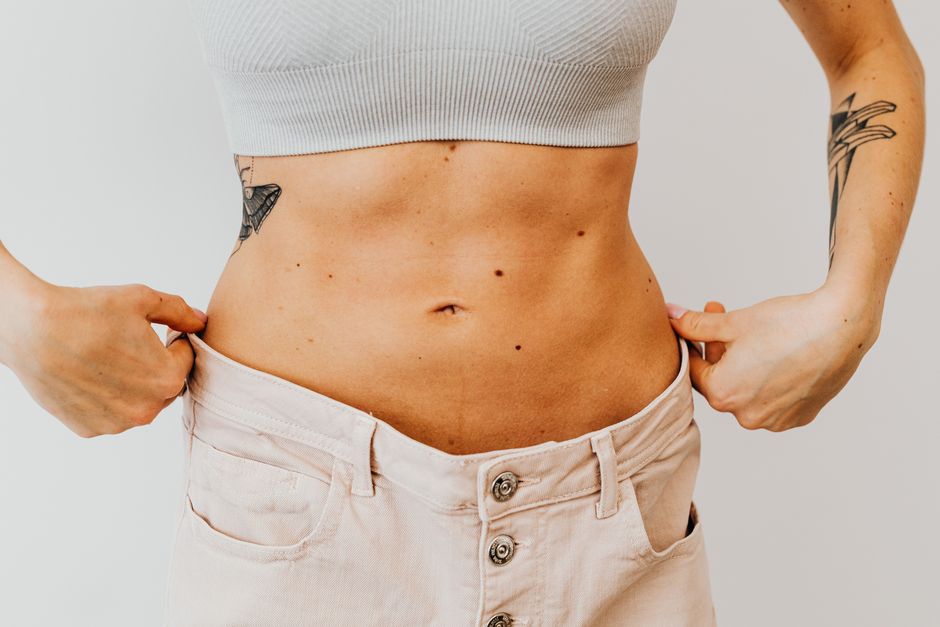
When you lose weight, your fat cells don’t disappear. They shrink. Each fat cell is like a tiny balloon that stores fat. As you burn more calories than you take in, your body pulls fat out of these cells to use for energy, and the cells get smaller. The number of fat cells you have stays roughly the same for life, which is why keeping weight off can be challenging — those shrunken cells are still there, waiting to refill.
What Exactly Are Fat Cells?
Fat cells, called adipocytes, are specialized cells that store energy in the form of triglycerides. Triglycerides are the main building blocks of body fat. When you eat more calories than your body needs, it converts the excess into triglycerides and stores them inside fat cells.
This storage system was essential for human survival. Early humans faced periods of feast and famine. Fat cells allowed the body to store energy during times of plenty and draw on it when food was scarce. Your body still operates on this ancient system, even though food scarcity is not a concern for most people today.
Fat cells are found throughout the body. Some are under the skin, called subcutaneous fat. Others surround your organs, called visceral fat. Visceral fat is more metabolically active and is linked to higher health risks, including heart disease and type 2 diabetes.
What Happens To Fat Cells When You Lose Weight?
When you lose weight, your fat cells shrink in size but not in number. The process works like this: when your body needs energy and you are not taking in enough calories to supply it, your body breaks down the triglycerides inside fat cells. This releases fatty acids and glycerol into your bloodstream, where they are transported to tissues that need fuel.
The fat cell itself becomes smaller as it empties. Studies have shown that the number of fat cells remains stable in adulthood in most people. This means that even after significant weight loss, you retain the same number of fat cells you had before — they are just less full.
This is why people who have lost weight often find it easier to regain it. The empty fat cells release hormones that signal your brain that the body is in an energy deficit. This can increase appetite and slow metabolism, making weight maintenance an uphill battle.
Do Fat Cells Ever Die or Multiply?
Fat cells do die and are replaced, but the total number stays roughly constant. Research indicates that about 10 percent of your fat cells are replaced each year. The body maintains a steady number through a balance of cell death and new cell formation.
There are exceptions to this rule. During childhood and adolescence, fat cell numbers can increase. Significant weight gain in adulthood can also trigger the creation of new fat cells, especially if existing cells become full. Once new fat cells are created, they generally stay for life.
Liposuction physically removes fat cells from specific areas. This reduces the number of fat cells in those regions permanently. However, if you gain weight after liposuction, remaining fat cells in other areas can expand, and new fat cells can form elsewhere.





Why Do Fat Cells Fight Back During Weight Loss?
Your body resists weight loss. When fat cells shrink, they send signals that the body interprets as a threat. This triggers a cascade of hormonal changes designed to restore the lost fat.
Leptin is a key hormone produced by fat cells. When fat cells are full, they release more leptin, which signals to your brain that you have enough energy stored. When fat cells shrink, leptin levels drop. Your brain reads this as starvation and responds by increasing hunger and reducing energy expenditure.
Other hormones shift as well. Ghrelin, the hunger hormone, tends to increase. Thyroid hormone activity can decrease, slowing your metabolic rate. Together, these changes create a biological push to regain the weight you lost.
This is not a failure of willpower. It is a survival mechanism. Understanding this can help you approach weight maintenance with realistic expectations rather than self-blame.
What Happens To Fat During Exercise and Dieting?
During exercise, your muscles need energy. If glucose is not readily available, your body turns to stored fat. Hormones signal fat cells to release fatty acids into the blood. These fatty acids travel to muscles and are burned for fuel.
During dieting, the same process occurs. A calorie deficit forces your body to tap into fat stores. The rate of fat loss depends on the size of the deficit and your activity level. A moderate deficit typically results in gradual, sustainable fat loss. A very large deficit can cause muscle loss along with fat loss, which is not ideal.
You cannot spot-reduce fat from specific areas. When you lose weight, fat is lost from all over your body, not just the areas you might prefer. Genetics largely determine where fat comes off first and last. This is why two people following the same plan can lose fat from different parts of their bodies.
What Happens To Fat Cells After Weight Loss Surgery?
Weight loss surgery, such as gastric bypass or sleeve gastrectomy, produces significant and rapid weight loss. The fat cells in these patients shrink dramatically. Research shows that the number of fat cells remains the same after surgery, just as with diet and exercise.
However, the quality of fat cells may change. Some studies suggest that after bariatric surgery, fat cells become more sensitive to insulin. This can improve metabolic health even beyond what the weight loss alone would predict.
The hormonal environment after surgery is also different. Levels of gut hormones that suppress appetite increase. This helps patients maintain a lower calorie intake without the intense hunger that often accompanies diet-induced weight loss.
Why Is Weight Regain So Common?
Weight regain is not a personal failing. It is a predictable biological response. After weight loss, your body operates as if it is under threat. Your metabolism slows, hunger increases, and your body becomes more efficient at storing fat.
Studies have shown that these changes can persist for years after weight loss. People who have lost significant weight often need to eat fewer calories to maintain their new weight than someone of the same size who never lost weight. This is sometimes called the “metabolic adaptation” or “persistent metabolic slowing.”
This does not mean weight maintenance is impossible. It means it requires ongoing effort. Physical activity, consistent eating patterns, and monitoring are common strategies that help people maintain weight loss long term.
Can You Change the Number of Fat Cells You Have?
For most adults, the number of fat cells is fixed. You cannot permanently reduce your fat cell count through diet, exercise, or medication. The only reliable way to reduce fat cell number is through surgical removal, such as liposuction.
You can, however, influence the size of your fat cells. Maintaining a stable weight keeps fat cells at a consistent size. Weight cycling — losing and regaining weight repeatedly — does not increase fat cell number, but it can make future weight loss more difficult.
Some research in animals suggests that certain medications might influence fat cell formation, but this is not established in humans. No medication currently approved for weight management reduces fat cell number.
What Is the Healthiest Way to Lose Fat?
Slow, steady weight loss is generally more sustainable than rapid loss. A target of 1 to 2 pounds per week is commonly recommended by clinical guidelines. This pace allows you to preserve muscle mass while losing fat.
Combining diet and exercise is more effective than either alone. Diet creates the calorie deficit needed to lose weight. Exercise helps preserve muscle and can improve metabolic health. Resistance training, in particular, helps maintain lean mass during weight loss.
Protein intake matters during weight loss. Adequate protein helps preserve muscle and can increase feelings of fullness. Most clinical guidelines recommend a moderate protein intake, though specific amounts vary based on individual factors.
Sleep and stress management also play a role. Poor sleep is linked to increased hunger and higher calorie intake. Chronic stress raises cortisol, which can promote fat storage, particularly in the abdominal area.
Frequently Asked Questions
Do fat cells go away when you lose weight?
No, fat cells shrink but do not disappear. The number of fat cells remains roughly the same in adulthood, but each cell becomes smaller as it releases stored fat for energy.
How long does it take for fat cells to shrink?
Fat cells begin shrinking within days of starting a calorie deficit. Visible changes typically appear after several weeks, depending on the size of the deficit and individual factors.
Can you permanently lose fat cells?
Surgical removal is the only reliable way to permanently reduce fat cell number. Diet and exercise shrink fat cells but do not change how many you have.
Why does weight come back so easily after losing it?
Shrunken fat cells release hormones that increase hunger and slow metabolism. Your body treats weight loss as a threat and works to restore the lost fat.
