
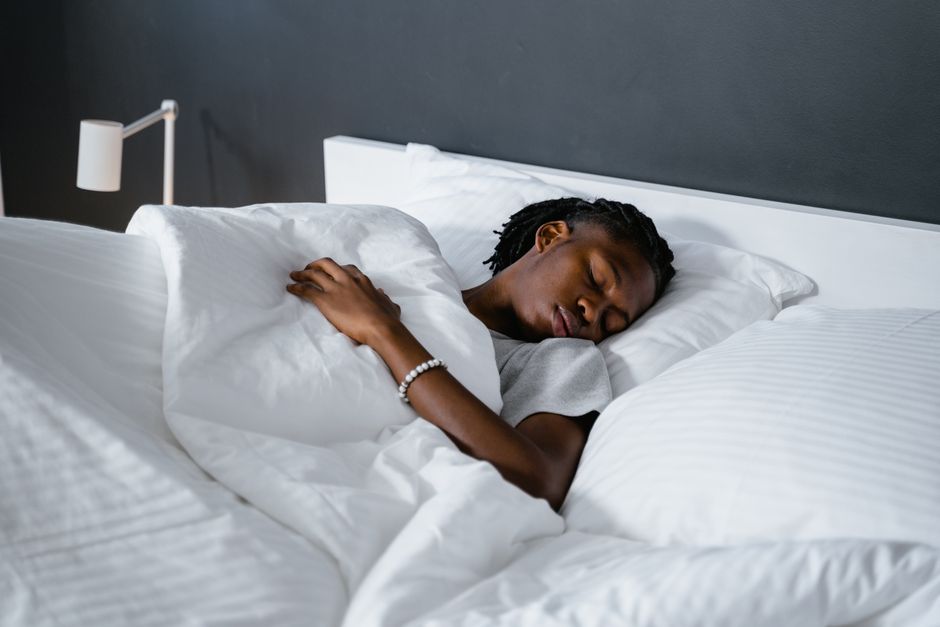
Sleep is not passive downtime for your body. While you sleep, your immune system does some of its most important work — releasing proteins, building up defenses, and deciding what to remember and what to forget. When sleep is cut short, that work gets cut short too, and your body is measurably less prepared to fight infections.
How Sleep Strengthens Your Immune System
During sleep, your body increases production of cytokines — proteins that help coordinate the immune response. Some cytokines target specific threats. Others, like those involved in inflammation, help your body respond to injury and infection. Production of these proteins rises during sleep and drops when you are awake, which is one reason sleep loss and immune vulnerability tend to travel together.
Your adaptive immune system also uses sleep to consolidate what it has learned. After you are exposed to a virus or receive a vaccine, your body needs time to build a lasting memory of that threat. Research suggests this process — sometimes called immunological memory — depends partly on the deep, slow-wave stages of sleep that occur early in the night.
One detail that often gets overlooked: the timing of sleep matters as much as the total hours. Growth hormone, which supports tissue repair and immune cell activity, is released mostly during deep sleep in the first half of the night. Cortisol, a hormone that can suppress immune activity at high levels, normally drops during early sleep and rises toward morning. When you go to bed late or wake frequently, you disrupt this hormonal rhythm in ways that a nap the next day may not fully correct.
What Happens to Your Immune System When You Don’t Sleep Enough?
Short sleep changes the numbers and behavior of several types of immune cells. Natural killer cells — a type of white blood cell that targets virus-infected cells and tumor cells — show reduced activity after sleep restriction in controlled studies. T-cells, which help identify and attack infected cells, also appear to function less efficiently when sleep is cut short.
Inflammatory markers can rise. C-reactive protein (CRP), a general signal of inflammation in the body, tends to be higher in people who consistently sleep poorly. Interleukin-6 (IL-6), another inflammatory protein, can also increase. Some inflammation is necessary for fighting infection, but chronic low-grade inflammation is linked over time to conditions like cardiovascular disease and type 2 diabetes.
There is an important nuance here. The relationship between sleep and inflammation is not one-directional. Poor sleep can raise inflammation, and inflammation from an existing illness or chronic condition can disrupt sleep. Teasing apart which came first is difficult, and researchers are still working on it.
What the research shows about infection risk
Some of the most cited evidence in this area comes from studies where researchers deliberately exposed healthy volunteers to a common cold virus and then tracked who got sick. Participants who reported shorter sleep duration in the weeks before exposure were more likely to develop a cold than those who slept longer. This type of study design — exposing people to a virus under controlled conditions — provides stronger evidence than observational surveys alone, though it still cannot prove that sleep loss is the sole cause.
Observational studies have also found associations between short sleep and higher rates of respiratory infections, but observational data cannot establish cause and effect. People who sleep poorly may also have other health or lifestyle factors that raise their risk.
How Much Sleep Does Your Immune System Need?
Most adults need seven to nine hours of sleep per night for general health, according to widely accepted sleep guidelines. There is no separate immune-specific sleep target — the same range that supports heart health, brain function, and metabolism also supports immune function.
Sleep quality matters alongside duration. Fragmented sleep — waking repeatedly through the night — can reduce time spent in deep sleep and REM sleep even if total hours look adequate on paper. For immune purposes, the restorative stages appear to carry more weight than simply being in bed for eight hours.
Some people genuinely need more than nine hours. Others function well on seven. The range is a population guideline, not a personal prescription. Signs that you may not be getting enough include getting sick frequently, feeling unrefreshed after a full night, and relying on caffeine to get through the afternoon.

Does Sleep Affect How Well Vaccines Work?
Vaccination depends on the immune system’s ability to learn from a harmless version of a pathogen and build antibodies against it. That learning process happens partly during sleep.
Several studies have looked at sleep around the time of vaccination. In one line of research, people who slept normally in the nights surrounding a vaccine shot developed a stronger antibody response than those who were sleep-deprived. The effect has been observed with some vaccines more consistently than others, and not every study finds the same result. The evidence is suggestive but not uniform across all vaccines and all populations.
What this means practically is not complicated. If you have a vaccine appointment coming up, getting normal sleep in the days before and after is reasonable and low-risk. It will not guarantee a stronger response, but there is no downside.
Can You Catch Up on Sleep and Fix the Damage?
Recovery sleep helps, but it does not fully erase the effects of extended sleep loss. Studies on sleep restriction and recovery show that some immune measures — like certain cytokine levels and natural killer cell activity — improve after recovery sleep, but may not return to baseline immediately. A single night of good sleep after a week of poor sleep is not a full reset.
Chronic sleep restriction is different from an occasional late night. If you routinely sleep five or six hours and try to compensate on weekends, the pattern itself may be the problem. Weekend recovery sleep can partially reduce sleepiness, but research suggests it does not fully reverse metabolic and inflammatory changes that build up over repeated short nights.
The more reliable approach is consistent sleep — going to bed and waking at roughly the same time, including weekends. This supports the circadian rhythm that regulates immune cell activity throughout the day.
What Disrupts Sleep and Immune Function at the Same Time?
Several factors hit both sleep and immunity together, which can make the relationship between them harder to untangle.
- Chronic stress. Elevated cortisol can interfere with sleep and suppress some immune functions. The two effects reinforce each other.
- Alcohol. Alcohol can help people fall asleep but disrupts sleep architecture, particularly REM sleep, and has its own effects on immune function.
- Untreated sleep apnea. Repeated breathing interruptions fragment sleep and reduce oxygen levels. Sleep apnea is associated with increased inflammation and higher risk of infections, though the exact mechanisms are still being studied.
- Shift work. Working against the body’s circadian rhythm disrupts both sleep timing and immune regulation. Shift workers show higher rates of certain infections and inflammatory conditions in observational studies.
These factors often overlap. Someone with chronic stress may drink more alcohol to sleep, which worsens sleep quality, which raises inflammation. Addressing one factor can sometimes improve the others, but the relationships are not simple.
What Can You Do to Support Sleep and Immune Health Together?
The basics of good sleep hygiene are well established, even if they are not exciting. Keep a consistent sleep schedule. Get morning light exposure to anchor your circadian rhythm. Keep your bedroom cool and dark. Avoid heavy meals and alcohol close to bedtime. Limit screens that emit blue light in the hour before bed, though the evidence on blue light specifically is mixed — the bigger issue may be that screens keep you mentally engaged when you should be winding down.
Exercise during the day can improve sleep quality, but intense exercise close to bedtime may delay sleep onset for some people. The timing effect varies from person to person.
If you have tried these steps and still sleep poorly for weeks or months, that is worth discussing with a doctor. Persistent insomnia, sleep apnea, and other sleep disorders have treatments, and the immune consequences of untreated sleep problems are one more reason not to ignore them.
No supplement or product has been shown to replace the immune benefits of natural sleep. Melatonin can help shift sleep timing in some situations, but it is not a substitute for adequate sleep duration and quality. The evidence for most “immune support” supplements is limited, and none of them replicate what sleep does.
Frequently Asked Questions
How does sleep strengthen your immune system?
During sleep, your body produces more cytokines — proteins that help coordinate immune responses — and consolidates immunological memory from past exposures. Deep sleep also supports the hormonal environment that keeps immune cells functioning properly.
How many hours of sleep do you need for a strong immune system?
Most adults need seven to nine hours per night, the same range recommended for general health. There is no separate immune-specific target, but consistently sleeping below seven hours is associated with reduced immune function in controlled studies.
Can one night of poor sleep make you sick?
A single night of poor sleep is unlikely to cause illness on its own. The risk comes from repeated short sleep over days and weeks, which gives your immune system less time to do its repair and memory-building work.
Does sleep affect how well a vaccine works?
Some studies suggest that people who sleep normally around the time of vaccination develop stronger antibody responses than those who are sleep-deprived. The evidence is not uniform across all vaccines, but getting normal sleep before and after a shot is reasonable and carries no downside.
