
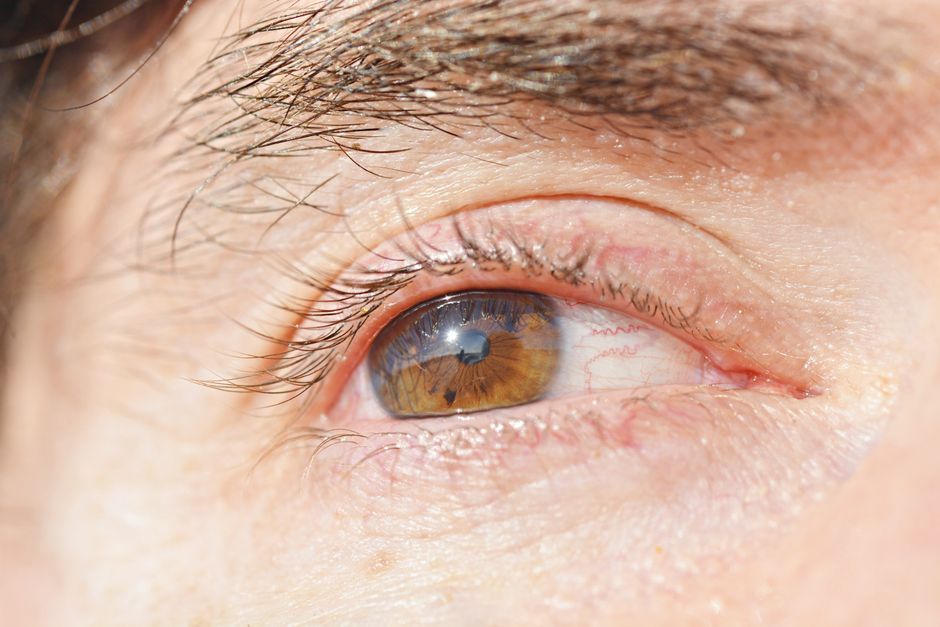
Panuveitis is a rare form of eye inflammation that affects all three main layers of the uvea, the middle layer of the eye. It accounts for roughly 1% to 8% of all uveitis cases, making it one of the less common presentations of this condition. Because it involves the entire uveal tract, panuveitis carries a higher risk of vision loss and requires prompt, often aggressive treatment to preserve sight.
What Exactly Is Panuveitis?
The uvea sits between the white of your eye and the retina. It has three parts: the iris, the ciliary body, and the choroid. When inflammation affects all three of these areas at once, doctors call it panuveitis.
This is different from anterior uveitis, which affects only the front of the eye, or posterior uveitis, which affects only the back. Panuveitis means the entire uveal tract is inflamed. The inflammation can also spill into the vitreous, the gel that fills the eye, and sometimes the retina itself.
Because so much of the eye is involved, panuveitis tends to be more serious than other forms of uveitis. It can cause swelling in the retina, damage to the optic nerve, and eventually permanent vision loss if not controlled.
How Rare Is Panuveitis Really?
Panuveitis is uncommon. Studies from eye clinics around the world report that it makes up between 1% and 8% of all uveitis cases. Uveitis itself is not rare — it affects roughly 38 to 50 people per 100,000 in the United States — but panuveitis is on the less common end of that spectrum.
The exact number varies by region and by the population studied. Some research suggests panuveitis may be more common in certain parts of Asia and the Middle East. In the United States and Europe, it is typically one of the less frequent forms of uveitis.
What makes panuveitis notable is not just its rarity but its severity. Even though fewer people get it, those who do face a higher chance of complications and vision loss compared to people with milder forms of uveitis.
What Causes Panuveitis?
Panuveitis is not a single disease. It is a pattern of inflammation that can have many different causes. In a significant number of cases, no cause is ever found. Doctors call this idiopathic panuveitis.
When a cause is identified, it usually falls into one of three categories: infectious, autoimmune, or masquerade syndromes.
Infectious causes include tuberculosis, syphilis, toxoplasmosis, and viral infections like herpes or cytomegalovirus. In parts of the world where these infections are more common, they account for a larger share of panuveitis cases.
Autoimmune conditions are another major cause. Sarcoidosis, Behçet’s disease, and Vogt-Koyanagi-Harada disease are all systemic inflammatory conditions that can produce panuveitis. These diseases cause the immune system to attack the body’s own tissues, including the eye.
Masquerade syndromes are conditions that look like inflammation but are actually something else, most commonly lymphoma. Primary intraocular lymphoma can present as panuveitis and is often slow to diagnose because it mimics inflammatory disease.
Some research suggests that genetics play a role in who develops uveitis. Certain gene variants, particularly in the HLA system, are associated with higher risk. But having these genes does not mean you will develop panuveitis — it simply increases susceptibility.





What Are the Symptoms of Panuveitis?
Symptoms of panuveitis can come on suddenly or develop gradually. The most common complaints include:
- Blurred or decreased vision
- Floaters — small spots or lines that drift across your field of vision
- Eye pain or aching
- Redness in the eye
- Sensitivity to light
Because the inflammation affects the whole eye, vision changes are often more pronounced than in anterior uveitis. Some people notice a shadow or curtain over part of their vision. Others experience a sudden drop in visual acuity.
If you have any of these symptoms, especially floaters combined with vision loss, you should see an eye doctor promptly. Panuveitis is not something to wait out. Early treatment is associated with better visual outcomes.
What Are the Risks and Complications?
The main risk of panuveitis is permanent vision loss. The inflammation can damage the retina, the optic nerve, and the structures that keep the eye healthy. The longer inflammation goes untreated, the more damage it can do.
Common complications include:
- Cataracts — clouding of the eye’s natural lens
- Glaucoma — increased pressure inside the eye that damages the optic nerve
- Macular edema — swelling in the central part of the retina
- Retinal detachment — when the retina pulls away from its supporting tissue
- Optic nerve damage — which can lead to permanent vision loss
Some of these complications are caused by the inflammation itself. Others are side effects of treatment. Corticosteroids, which are the mainstay of uveitis treatment, can raise eye pressure and accelerate cataract formation. This is why people with panuveitis need regular monitoring, not just during flare-ups but long after the inflammation is controlled.
The risk of vision loss depends on the underlying cause, how quickly treatment begins, and how well the inflammation responds to therapy. Some studies suggest that a meaningful percentage of people with panuveitis experience some degree of permanent vision loss despite treatment. This is why the condition is taken seriously even though it is rare.
How Is Panuveitis Diagnosed?
Diagnosing panuveitis requires a comprehensive eye exam. Your doctor will dilate your pupils and examine the front and back of your eye with a slit lamp and an ophthalmoscope. They will look for inflammatory cells in the vitreous, swelling in the retina, and signs of damage to the optic nerve.
Because panuveitis can be caused by so many different conditions, your doctor will likely order blood tests. These may check for markers of autoimmune disease, signs of infection, or both. In some cases, imaging tests like a chest X-ray or CT scan are needed to look for sarcoidosis or tuberculosis.
If the cause remains unclear, your doctor may recommend a procedure called a vitreous biopsy. This involves taking a small sample of the gel inside your eye to test for infection or cancer. This is not done routinely, but it is important when a masquerade syndrome like lymphoma is suspected.
Do not be surprised if the workup takes time. Identifying the cause of panuveitis can be a process of elimination, and some cases remain unexplained even after extensive testing.
What Are the Treatment Options?
Treatment for panuveitis has two goals: control the inflammation and prevent vision loss. The approach depends on the underlying cause, the severity of the inflammation, and whether complications are already present.
Corticosteroids are the first-line treatment. They can be given as eye drops, pills, or injections around or inside the eye. For panuveitis, systemic steroids are often needed because the inflammation is too widespread for drops alone to reach effectively.
Immunosuppressive drugs are used when steroids are not enough or when they cannot be tapered without the inflammation returning. Methotrexate, mycophenolate, azathioprine, and biologic agents like adalimumab are among the options. These drugs suppress the immune system and can take weeks or months to reach full effect.
Anti-infective therapy is used when an infection is the cause. Tuberculosis, syphilis, toxoplasmosis, and viral infections each require specific antimicrobial treatment. In these cases, steroids alone are not appropriate and can actually make the infection worse.
Treatment is typically long-term. Many people with panuveitis need maintenance therapy to keep the inflammation under control. Flare-ups can occur even with treatment, and each episode carries the risk of additional damage.
What Is the Outlook for People with Panuveitis?
The prognosis for panuveitis varies widely. Some people have a single episode that responds well to treatment and never recurs. Others have a chronic, relapsing course that requires years of immunosuppressive therapy.
Vision outcomes depend heavily on early diagnosis and treatment. People who receive prompt, aggressive therapy have better outcomes than those whose inflammation goes untreated for months. Even with treatment, some people develop cataracts, glaucoma, or macular edema that require additional intervention.
Regular follow-up is essential. Panuveitis can be quiet even as it causes damage, so routine eye exams are the only way to catch problems early. If you have panuveitis, you should expect to see your eye doctor regularly, often every few months, even when your vision feels fine.
Frequently Asked Questions
Can panuveitis cause permanent blindness?
Yes, panuveitis can cause permanent vision loss if inflammation damages the retina or optic nerve. Early treatment significantly reduces this risk.
Is panuveitis an autoimmune disease?
Panuveitis itself is not a disease but a pattern of inflammation. It can be caused by autoimmune conditions, infections, or sometimes no identifiable cause at all.
How long does panuveitis treatment last?
Treatment is often long-term, sometimes lasting years. Many people need ongoing maintenance therapy to prevent flare-ups and protect their vision.
Can stress trigger panuveitis flare-ups?
Some people report that stress precedes flare-ups, but the evidence is not strong enough to confirm a direct link. Managing stress is reasonable for overall health, but it should not replace prescribed treatment.
