
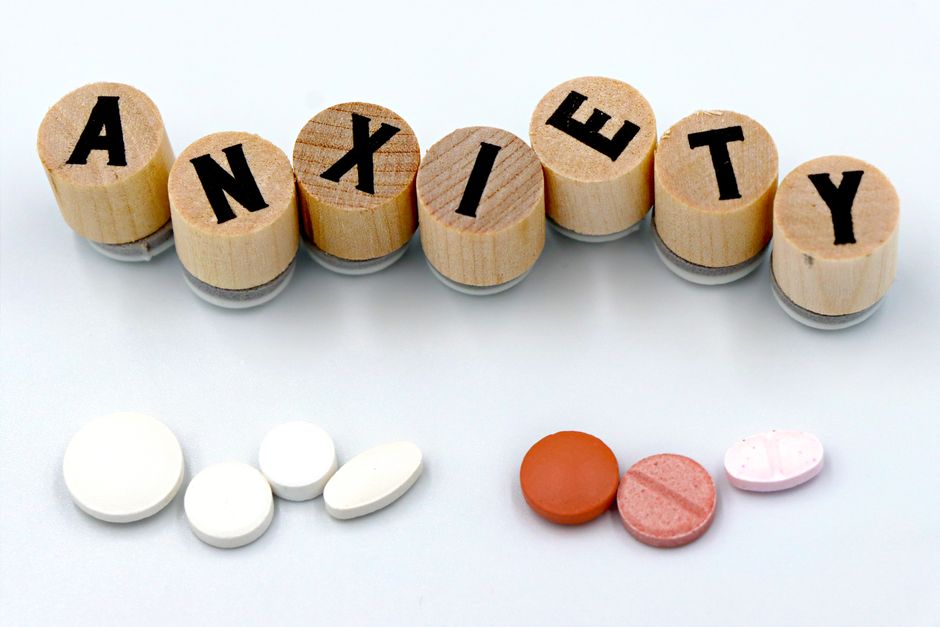
Prozac (fluoxetine) is a common medication that doctors prescribe for anxiety, even though it is officially approved for depression and other conditions. It works by increasing serotonin levels in the brain, which can help reduce anxious thoughts and physical symptoms over time. Most people do not feel immediate relief; instead, improvements typically build gradually over several weeks, and the early days can bring temporary side effects.
How Prozac Works in the Brain for Anxiety
Prozac belongs to a class of drugs called selective serotonin reuptake inhibitors (SSRIs). Serotonin is a chemical messenger that helps regulate mood, sleep, and emotional responses. Normally, after serotonin sends a signal between nerve cells, the brain reabsorbs it. Prozac blocks that reabsorption, leaving more serotonin available in the space between cells.
This increase does not happen all at once. In the first few days, serotonin levels rise, but the brain needs time to adapt. Over two to six weeks, the nervous system adjusts to the new serotonin balance. That adjustment is what produces the anti-anxiety effect. Researchers believe the medication helps “rewire” certain circuits in the brain that are overactive in people with anxiety disorders.
It is important to understand that Prozac is not a tranquilizer. It does not stop a panic attack in the moment. Its value is long-term: reducing the background level of anxiety so that everyday situations feel less threatening.
Why Prozac Is Prescribed for Anxiety Even Though It Is Not FDA-Approved for It
The FDA approves medications for specific conditions based on clinical trials. Prozac’s official approvals include major depressive disorder, obsessive-compulsive disorder, bulimia nervosa, and panic disorder. Notably, it is FDA-approved for panic disorder, which is a type of anxiety. But for generalized anxiety disorder (GAD) and social anxiety disorder, Prozac is not formally approved.
Doctors still prescribe it for these conditions regularly. This is called “off-label” use. It is legal and common. Many psychiatrists prescribe Prozac for GAD because clinical experience shows it works for many patients, even though large clinical trials for that specific condition are less extensive than for other SSRIs.
Other SSRIs, such as sertraline (Zoloft) and escitalopram (Lexapro), have stronger FDA approval for generalized anxiety disorder. Some doctors prefer those first. But Prozac remains a valid option, especially if a person has depression alongside anxiety, because it treats both.
What to Expect in the First Week
The first week on Prozac is often the hardest. Some people feel more anxious before they feel better. This is called “activation.” Prozac is the most stimulating SSRI, meaning it can cause feelings of jitteriness, restlessness, or nervous energy. It can also disrupt sleep, especially if taken late in the day.
Common early side effects include:
- Nausea or stomach upset
- Headache
- Trouble sleeping
- Increased anxiety or agitation
- Loss of appetite
- Fatigue or unusual tiredness
Most of these symptoms fade within one to two weeks. The nausea usually improves as the body adjusts. Taking Prozac in the morning can help reduce insomnia. Some doctors start patients on a low dose, such as 10 mg, to minimize activation, then increase it after a week or two.
During this first week, the medication has not yet had time to work on anxiety. The nervous system is still adapting. It can help to know this is temporary. If the increased anxiety feels severe or unbearable, contact the prescribing doctor. They may adjust the dose or switch medications.




When Anxiety Relief Actually Begins
Most people notice the first signs of improvement between week two and week four. This is not a sudden change. It is more like a slow lifting of weight. A person might realize they slept through the night without racing thoughts, or that a stressful meeting did not trigger the usual spiral of worry.
Full benefits typically take six to eight weeks. Some people need up to twelve weeks. The timeline depends on the individual, the dose, and the severity of the anxiety. It is normal to feel impatient during this period. The medication is working even when it does not feel like it.
One study found that patients who showed some improvement by week two were more likely to have a good response by week eight. Early improvement is a positive sign, but its absence does not mean the medication will fail. Some people simply respond more slowly.
Once the full effect is reached, most people stay on the same dose. The goal is not to feel numb. The goal is to feel like the anxiety is manageable — present but not controlling daily life.
How Prozac Compares to Other Anxiety Medications
Prozac is not the only option for anxiety. Doctors choose medications based on symptom patterns, side effect profiles, and how a person responds to treatment.
| Medication | Type | Onset of Anxiety Relief | Common Side Effects |
|---|---|---|---|
| Prozac (fluoxetine) | SSRI | 2-6 weeks | Insomnia, nausea, jitteriness |
| Zoloft (sertraline) | SSRI | 2-6 weeks | Diarrhea, sweating, insomnia |
| Lexapro (escitalopram) | SSRI | 2-6 weeks | Fatigue, nausea, sexual side effects |
| Xanax (alprazolam) | Benzodiazepine | 30-60 minutes | Drowsiness, dependence risk |
The key difference is speed. Benzodiazepines like Xanax work within minutes but are meant for short-term or occasional use because of addiction risk. SSRIs take weeks but provide steady, long-term relief without the same dependence concerns.
Prozac stands out among SSRIs for its long half-life. It stays in the body for about four to six days after the last dose. This means missed doses cause less of a withdrawal effect compared to other SSRIs. However, it also means if a person has side effects, they take longer to clear.
How Prozac Helps With Anxiety And What To Expect During Long-Term Use
After the initial adjustment period, Prozac’s effect on anxiety stabilizes. Most people find the side effects diminish significantly by week six. The remaining side effects are often manageable. Sexual side effects, such as reduced libido or delayed orgasm, are the most common reason people stop taking SSRIs. These do not always go away with time.
Weight changes are another concern. Prozac is more likely to cause weight loss in the early months. Some people experience weight gain with long-term use, though this is less common with Prozac than with other SSRIs like paroxetine (Paxil).
For people who respond well, the recommended treatment duration is at least six to twelve months after symptoms improve. Stopping too early increases the risk of relapse. When it is time to stop, the dose is tapered gradually under a doctor’s supervision. Stopping abruptly can cause dizziness, nausea, and flu-like symptoms.
Prozac is also one of the few SSRIs considered safe during pregnancy, though the evidence is not definitive. The decision to continue or stop medication during pregnancy should be made with a doctor, weighing the risks of untreated anxiety against the potential medication risks.
When Prozac Is Not the Right Choice
Prozac does not work for everyone. About one in three people with anxiety do not respond adequately to the first SSRI they try. This does not mean treatment has failed. It means a different medication or a higher dose may be needed.
Some people should avoid Prozac entirely. Those with bipolar disorder may experience a switch into mania. People with liver problems may need a lower dose because Prozac is processed by the liver. Taking Prozac with certain other medications, including MAO inhibitors, can cause a dangerous condition called serotonin syndrome.
Signs of serotonin syndrome include confusion, rapid heart rate, muscle twitching, sweating, and diarrhea. This is a medical emergency. Anyone experiencing these symptoms should seek immediate care.
Prozac can also increase suicidal thoughts in people under 25, particularly in the first few weeks of treatment. This is a rare but serious risk. Anyone starting Prozac should be monitored closely by family and healthcare providers during the first month.
Non-Medication Approaches That Work Alongside Prozac
Medication alone is rarely the complete answer for anxiety. Cognitive behavioral therapy (CBT) has strong evidence for treating anxiety disorders. It teaches practical skills for challenging anxious thoughts and reducing avoidance behaviors. Combining CBT with an SSRI is often more effective than either treatment alone.
Regular exercise has also shown benefit. Aerobic activity reduces anxiety symptoms in many people, likely by increasing endorphins and providing a healthy outlet for stress. Sleep hygiene matters too; poor sleep worsens anxiety, and anxiety disrupts sleep. Addressing both together creates a positive cycle.
Caffeine and alcohol can interfere with anxiety treatment. Caffeine mimics anxiety symptoms — racing heart, restlessness, sweaty palms. Alcohol provides temporary relief but can increase anxiety the next day as it leaves the system. Reducing both often helps the medication work more effectively.
No supplement has been proven to treat anxiety as effectively as medication or therapy. Some people try magnesium, L-theanine, or ashwagandha. The evidence is limited and mixed. These should not replace prescribed treatment without a doctor’s input.
Frequently Asked Questions
How long does Prozac take to work for anxiety?
Most people notice some improvement within two to four weeks, with full benefits at six to eight weeks. The first week may actually feel worse due to temporary activation symptoms.
Can Prozac make anxiety worse before it gets better?
Yes, this happens in some people during the first one to two weeks. This temporary increase in anxiety usually fades as the brain adjusts to the medication.
Is Prozac effective for panic attacks?
Prozac is FDA-approved for panic disorder and is effective for reducing panic attacks over time. It does not stop an active panic attack, so immediate relief requires different strategies.
What dose of Prozac is used for anxiety?
Doctors typically start at 10 mg or 20 mg daily and may increase to 40 mg or 60 mg depending on response. Doses above 20 mg are usually prescribed only after several weeks of treatment.
