
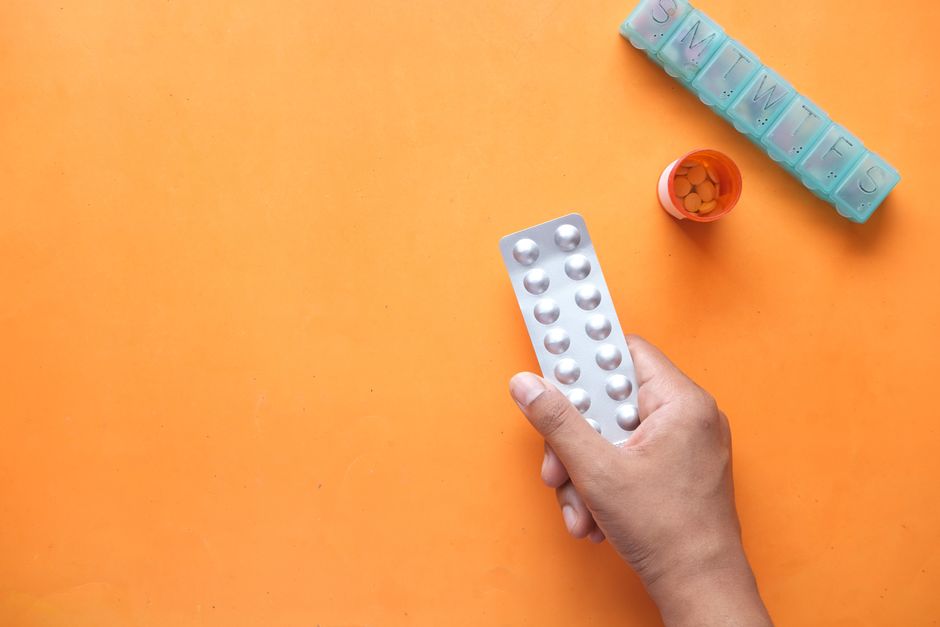
There is no single legal age for starting estrogen that applies to everyone. The answer depends entirely on why estrogen is being taken, whether it is for medical treatment, contraception, or gender-affirming care. For most adults, estrogen therapy is a decision made with a doctor based on individual health needs, but specific age guidelines exist for certain situations like puberty suppression or hormone replacement after menopause.
What Is the Age Limit for Estrogen Therapy?
Estrogen is not like alcohol or tobacco, where the law sets one clear age for legal use. Instead, medical guidelines and clinical judgment determine when estrogen is appropriate. A 16-year-old with delayed puberty, a 30-year-old woman seeking birth control, and a 55-year-old going through menopause all take estrogen for completely different reasons.
For minors, parents or legal guardians must consent to any hormone treatment. For adults, the decision is between the patient and their healthcare provider. No federal law in the United States restricts estrogen to a certain age, but medical organizations have published clinical guidelines for its use in specific populations.
Estrogen for Gender-Affirming Care in Teens
For transgender and gender-diverse adolescents, estrogen therapy follows guidelines from major medical organizations including the Endocrine Society and the World Professional Association for Transgender Health (WPATH). These guidelines recommend that hormone therapy begin only after an adolescent reaches Tanner Stage 2 of puberty, which typically occurs between ages 10 and 14.
Before starting estrogen, adolescents usually undergo a comprehensive evaluation by a mental health professional and an endocrinologist. This evaluation confirms that gender dysphoria is persistent and that the adolescent has the cognitive and emotional maturity to understand the effects of hormone treatment.
Most clinical guidelines suggest that estrogen therapy for gender affirmation is appropriate starting at age 16, though some providers may begin earlier in specific circumstances. Puberty blockers, which pause the physical changes of puberty, can be started earlier — typically at the first signs of puberty — to give the adolescent and their family time to make informed decisions.
Can Teenagers Take Estrogen for Birth Control?
Yes. Combined oral contraceptives, which contain estrogen and progestin, are commonly prescribed to teenagers. The American College of Obstetricians and Gynecologists (ACOG) supports prescribing birth control to adolescents without requiring parental consent, though individual state laws vary.
Estrogen-containing birth control is considered safe for healthy teenagers who do not smoke. Smoking combined with estrogen-based birth control significantly increases the risk of blood clots, so clinicians strongly advise adolescents who use these contraceptives to avoid tobacco entirely.
Teenagers with certain medical conditions may not be candidates for estrogen-containing birth control. These conditions include a history of blood clots, uncontrolled high blood pressure, migraine with aura, or certain types of cancer. A doctor will evaluate these risks before prescribing.




Estrogen for Delayed Puberty in Adolescents
Some teenagers do not enter puberty when expected. Girls who have not developed breast tissue by age 13 or who have not started menstruating by age 15 may have delayed puberty. In these cases, a pediatric endocrinologist may prescribe low-dose estrogen to initiate the process.
Treatment typically begins with a very low dose of estrogen for 6 to 12 months. The dose is gradually increased over 2 to 3 years until full adult levels are reached. Once regular menstrual cycles are established or after 2 years of treatment, a progestin is often added to regulate the cycle.
This treatment is carefully monitored with regular blood tests and bone density measurements. The goal is to mimic the natural timing and progression of puberty as closely as possible.
Estrogen for Menopause Symptoms in Adults
For adults experiencing menopause, estrogen therapy is typically considered for women in their late 40s to early 60s. Menopause hormone therapy is most effective when started within 10 years of menopause onset or before age 60.
The North American Menopause Society recommends that hormone therapy be used at the lowest effective dose for the shortest duration needed to manage symptoms. Estrogen therapy is primarily used to treat moderate to severe hot flashes, night sweats, and vaginal dryness.
Women who still have their uterus must take estrogen combined with progestin to protect against endometrial cancer. Women who have had a hysterectomy can take estrogen alone.
Estrogen therapy is not recommended for everyone. Women with a personal history of breast cancer, coronary heart disease, or blood clots generally should not take systemic estrogen. Each woman’s risk profile must be assessed individually by her healthcare provider.
What Age Is Too Old for Estrogen?
There is no absolute upper age limit for estrogen therapy, but the balance of risks and benefits changes with age. The risk of blood clots, stroke, and certain cancers increases as women age, especially after age 60.
For women over 60 who have persistent menopausal symptoms, vaginal estrogen preparations are often preferred. These low-dose formulations deliver estrogen locally and carry far less systemic risk than oral or patch forms.
For women considering starting hormone therapy for the first time after age 60, the risks generally outweigh the benefits for systemic treatment. The exception is vaginal estrogen, which remains a safe and effective option for genitourinary symptoms at any age when clinically indicated.
Are There Different Rules for Estrogen Pills, Patches, and Creams?
The delivery method of estrogen affects its risks and the medical guidance around its use. Oral estrogen passes through the liver, which can increase the production of certain clotting factors. Transdermal patches and gels bypass the liver and may carry a lower blood clot risk.
Vaginal estrogen creams, rings, and tablets are absorbed locally and produce minimal systemic effects. These are often used for vaginal dryness, recurrent urinary tract infections, and other genitourinary symptoms of menopause.
Bioidentical hormones, which are chemically identical to the estrogen the body produces, are sometimes marketed as safer than synthetic versions. However, the FDA-approved forms of bioidentical estrogen, such as 17-beta estradiol, have similar risks to other prescription estrogens. Compounded bioidentical hormones are not FDA-approved and lack the safety and quality testing of regulated products.
Over-the-counter creams marketed as “natural estrogen” are not regulated as drugs. No clinical evidence confirms that these products deliver effective or safe levels of estrogen. Anyone considering these products should discuss them with a doctor first.
What Happens at the First Appointment for Estrogen?
Before prescribing estrogen, a doctor will take a thorough medical history and perform a physical examination. Blood tests may be ordered to check hormone levels, liver function, and other baseline measures.
The doctor will ask about personal and family history of blood clots, cancer, heart disease, and liver disorders. Blood pressure will be measured, and for women over 35 who smoke, the risks of estrogen therapy will be discussed in detail.
If estrogen is prescribed, the doctor will explain the expected timeline for effects. For gender-affirming care, breast development typically begins within 3 to 6 months. For menopause symptom relief, improvement in hot flashes usually occurs within weeks. Regular follow-up appointments are essential to monitor response and adjust dosing.
What Are the Risks of Taking Estrogen at Any Age?
Estrogen is a powerful hormone with effects throughout the body. The most serious risks include blood clots in the legs or lungs, stroke, and certain types of cancer including breast and endometrial cancer.
The risk level depends on the individual’s age, health status, and the form of estrogen used. Healthy young women taking low-dose oral contraceptives face low absolute risks. Older women considering systemic hormone therapy face higher risks that must be weighed against the severity of their menopausal symptoms.
Estrogen can also cause side effects including nausea, breast tenderness, bloating, and mood changes. These often improve within the first few months of treatment. If side effects persist, a doctor may adjust the dose or suggest a different delivery method.
Can You Take Estrogen Without a Prescription?
No. Estrogen is a prescription medication in the United States. Taking estrogen without medical supervision is dangerous because the correct dose depends on the individual’s medical history, hormone levels, and treatment goals.
Some products sold online or in health food stores claim to contain plant estrogens or phytoestrogens. These are not equivalent to prescription estrogen and have not been proven to produce the same effects. Soy isoflavones and similar compounds have weak estrogen-like activity, but no clinical evidence confirms they can treat menopause symptoms or support gender transition.
Self-medicating with estrogen purchased online is particularly risky because the product’s contents, potency, and safety cannot be verified. Blood clots, liver damage, and dangerous hormone imbalances are possible consequences of unsupervised use.
How to Talk to a Doctor About Estrogen
If you are considering estrogen for any purpose, prepare for your appointment by writing down your questions and concerns. Be honest about your medical history, medications, supplements, and lifestyle factors like smoking.
For parents of adolescents seeking gender-affirming care, ask the doctor about the full timeline of treatment, expected effects, and potential risks. Seek care from providers experienced in adolescent transgender health, as they follow the most current clinical guidelines.
For women approaching or experiencing menopause, discuss your symptoms openly. Track the frequency and severity of hot flashes, sleep disturbances, and other symptoms before your appointment. This information helps your doctor determine whether estrogen therapy is appropriate for your situation.
Frequently Asked Questions
Can a 14-year-old take estrogen?
Only in specific medical situations, such as delayed puberty or gender-affirming care under specialist supervision. A pediatric endocrinologist must evaluate the adolescent and confirm the treatment is medically necessary.
Do you need parental consent to take estrogen as a minor?
Yes, in most cases parents or legal guardians must consent to estrogen treatment for anyone under 18. Some states allow minors to consent to birth control without parental involvement, but this does not apply to other forms of estrogen therapy.
Is it safe to take estrogen after 60?
Systemic estrogen therapy is generally not recommended for women starting treatment for the first time after age 60 due to increased risks. Vaginal estrogen for local symptoms remains a safe option when clinically indicated.
Can taking estrogen too young cause permanent health problems?
Starting estrogen before puberty is complete can affect bone development and final height. This is why clinical guidelines require adolescents to reach a certain stage of puberty before beginning estrogen therapy.
