
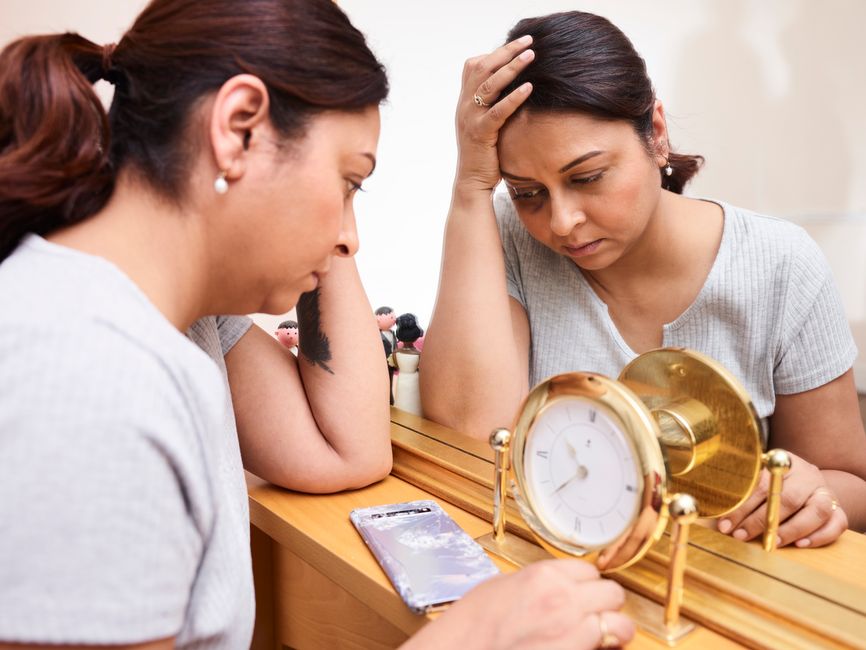
Fatigue is one of the most common and least discussed symptoms of low estrogen. The short answer is yes—low estrogen can cause significant fatigue, along with disrupted sleep and low energy. This happens because estrogen directly influences brain chemistry, body temperature, and sleep cycles, all of which affect how rested and energized you feel.
How Does Low Estrogen Cause Fatigue?
Estrogen is not just a reproductive hormone. It acts throughout the body, including the brain. When estrogen levels drop, the brain’s regulation of energy and sleep changes.
One key effect is on serotonin, a brain chemical that helps regulate mood, appetite, and sleep. Estrogen helps maintain healthy serotonin levels. When estrogen falls, serotonin can drop too. Lower serotonin is linked to poor sleep quality and low mood, both of which contribute to fatigue.
Estrogen also affects the hypothalamus, the part of the brain that controls body temperature. When estrogen drops, the hypothalamus becomes more sensitive to small changes in body heat. This can trigger hot flashes and night sweats. Night sweats interrupt deep sleep, even if you do not fully wake up. Over time, this fragmented sleep leaves you exhausted during the day.
When Do Estrogen Levels Drop?
The most common time for low estrogen is perimenopause and menopause. Perimenopause is the transition years before your last period. During this time, estrogen levels fluctuate widely. Some months they are normal, other months they are low. These swings can make fatigue unpredictable.
Menopause is officially diagnosed after 12 months without a period. At this point, estrogen levels remain consistently low. Fatigue is a common complaint among women in this stage of life.
Low estrogen can also happen for other reasons:
- Surgical removal of the ovaries
- Cancer treatments like chemotherapy or radiation
- Certain medications that suppress estrogen production
- Extreme exercise or very low body weight
- Premature ovarian insufficiency, which is menopause before age 40
If you are under 40 and experiencing fatigue with irregular periods, ask your doctor about testing your hormone levels. Premature ovarian insufficiency is often missed because it is uncommon.
The Sleep Connection
Fatigue from low estrogen is rarely just about the hormone itself. Most of the time, it is driven by poor sleep.
Night sweats are the most obvious culprit. A 2023 review of studies on menopause and sleep found that women with frequent night sweats report significantly worse sleep quality than those without them. The sleep disruption from hot flashes can last for years if untreated.
But even without night sweats, estrogen affects sleep architecture. Research shows that lower estrogen levels are associated with less deep sleep and more nighttime awakenings. Deep sleep is the stage where your body physically restores itself. Losing that stage makes you feel unrefreshed no matter how many hours you spend in bed.
There is also a link between low estrogen and sleep apnea. Estrogen and progesterone help keep the upper airway open during sleep. When these hormones drop, the risk of obstructive sleep apnea rises. Sleep apnea causes repeated pauses in breathing during the night, which fragments sleep and causes daytime sleepiness. If you snore loudly or wake up gasping, mention this to your doctor. It is a separate condition that needs its own treatment.





Other Symptoms That Accompany Low Estrogen Fatigue
Fatigue rarely happens alone when estrogen is low. Other symptoms often appear at the same time. Recognizing the pattern helps you and your doctor connect the dots.
Common symptoms of low estrogen include:
- Hot flashes and night sweats
- Irregular or missed periods
- Vaginal dryness
- Mood changes, including irritability and low mood
- Brain fog or difficulty concentrating
- Joint pain and muscle aches
- Headaches, especially around hormonal changes
If you have several of these symptoms along with fatigue, low estrogen is a reasonable suspect. But keep in mind that fatigue has many causes. Anemia, thyroid disease, depression, and chronic stress can all cause similar exhaustion. Your doctor should check for these before assuming estrogen is the only problem.
Can Low Estrogen Cause Fatigue Even Without Other Symptoms?
Yes, but it is less common. Some women experience fatigue as their primary symptom of low estrogen. They do not have hot flashes or night sweats, but their energy levels drop noticeably.
This is more likely to happen in the early stages of perimenopause, when estrogen levels begin to fluctuate but have not yet dropped consistently. The brain is sensitive to changes in estrogen, not just absolute low levels. A sudden drop from normal to low can trigger symptoms even if the low level is temporary.
If your fatigue appeared around the same time your periods became irregular, hormonal changes are a strong possibility. If your periods are still regular and you have no other symptoms, low estrogen is less likely to be the cause. Other explanations should be explored first.
What Can You Do About Low Estrogen Fatigue?
The first step is confirming that low estrogen is actually the cause. See your doctor for a full evaluation. This should include a review of your symptoms, a physical exam, and blood tests to check your hormone levels, thyroid function, and iron stores.
If low estrogen is confirmed, hormone replacement therapy (HRT) is the most effective treatment for menopause-related symptoms. HRT replaces the estrogen your body is no longer making. For many women, it significantly improves sleep quality and reduces fatigue within weeks.
HRT is not right for everyone. It carries some risks, including a small increased risk of blood clots and breast cancer depending on the type, dose, and duration of use. Your doctor will help you weigh the benefits and risks based on your personal health history. The decision is highly individual.
If you prefer non-hormonal approaches, some options have evidence behind them:
- Cognitive behavioral therapy for insomnia (CBT-I) has been shown to improve sleep in menopausal women even without treating the hot flashes directly.
- Regular aerobic exercise improves sleep quality and reduces fatigue in perimenopausal and postmenopausal women.
- Keeping your bedroom cool and using moisture-wicking bedding can reduce the impact of night sweats.
Over-the-counter supplements marketed for menopause, such as black cohosh or soy isoflavones, have mixed evidence. Some studies show modest benefit for hot flashes, but results are inconsistent. No supplement has been proven to directly relieve fatigue from low estrogen. Speak with your doctor before trying any supplement, especially if you take other medications.
When Fatigue Is Not About Estrogen
Low estrogen is one possible cause of fatigue, but it is not the only one. Do not assume your exhaustion is hormonal without ruling out other conditions.
Thyroid disease is a common cause of fatigue in women, especially around the same age as menopause. Hypothyroidism, or an underactive thyroid, causes tiredness, weight gain, and feeling cold. A simple blood test can check your thyroid function.
Iron deficiency anemia is another common cause of fatigue in women. Heavy periods, which can happen during perimenopause, increase the risk of low iron. A complete blood count and ferritin test will show if your iron stores are low.
Depression and chronic stress also cause profound fatigue. The hormonal changes of menopause can trigger or worsen mood disorders. If your fatigue comes with persistent sadness, loss of interest, or excessive worry, talk to a mental health professional.
Finally, consider your lifestyle. Poor sleep habits, high caffeine intake, alcohol use, and lack of physical activity all contribute to fatigue. These factors can make hormonal fatigue worse, even if they are not the root cause.
When to See a Doctor
Fatigue that interferes with your daily life deserves medical attention. If you are sleeping poorly, struggling to get through the day, or noticing that your energy has changed over several months, make an appointment.
Seek prompt care if your fatigue is sudden, severe, or accompanied by chest pain, shortness of breath, or fainting. These symptoms require immediate evaluation.
For most women, low estrogen fatigue is manageable. The key is getting an accurate diagnosis and finding a treatment plan that works for you. Fatigue is not something you have to simply accept as part of aging.
Frequently Asked Questions
How long does fatigue last with low estrogen?
Fatigue can last as long as estrogen levels remain low, which may be years during perimenopause and menopause. Treatment such as hormone therapy often improves fatigue within a few weeks to months.
Can low estrogen cause fatigue even if I sleep well?
Yes, low estrogen can affect the quality of your deep sleep even if you do not notice waking up. You may spend enough hours in bed but still feel unrefreshed because your sleep is lighter than normal.
Will hormone replacement therapy cure my fatigue?
Hormone therapy significantly improves fatigue in many women, especially when night sweats are disrupting sleep. However, it is not a guaranteed fix, and other causes of fatigue should be ruled out first.
What vitamins help with low estrogen fatigue?
No vitamin has been proven to directly treat fatigue caused by low estrogen. Maintaining adequate levels of vitamin D, iron, and B vitamins supports overall energy, but these are not estrogen replacements.
