
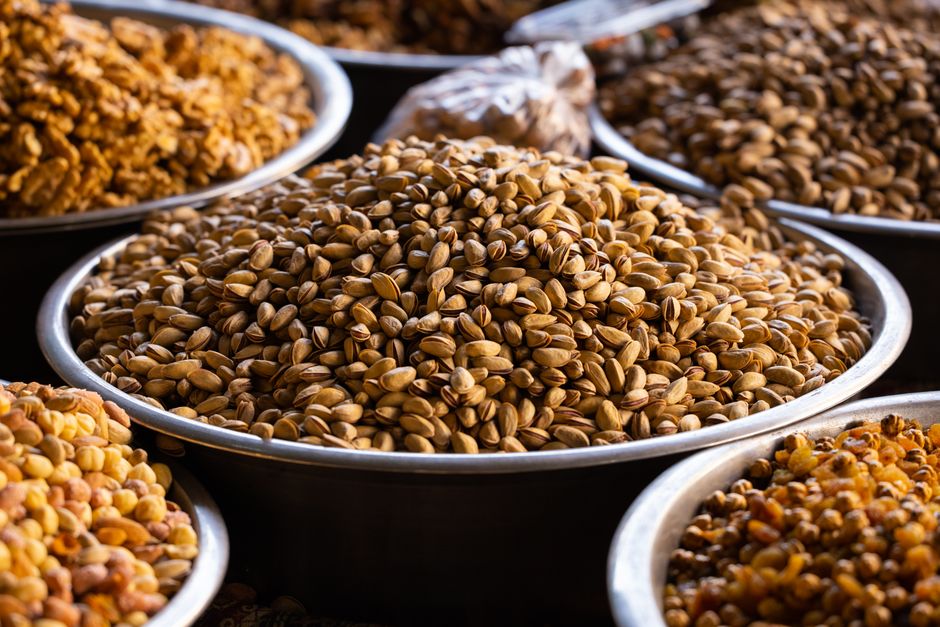
Fenugreek is a popular herb used in cooking and traditional medicine, and many women wonder if it affects their hormones. The short answer is that fenugreek does not contain estrogen, but some research suggests it may have mild estrogen-like effects in the body. However, the evidence is limited, and fenugreek is not considered a reliable way to raise estrogen levels.
What Is Fenugreek and How Does It Work?
Fenugreek comes from the seeds of the Trigonella foenum-graecum plant. People have used it for centuries to aid digestion, increase milk production in breastfeeding women, and manage blood sugar levels.
The seeds contain compounds called phytoestrogens. These are plant-based substances that can bind to estrogen receptors in the body. But binding to a receptor is not the same as being estrogen. Phytoestrogens can have weaker effects than the estrogen your body makes naturally.
Fenugreek also contains compounds called saponins and flavonoids. These may influence hormone activity in other ways, but researchers do not fully understand all of the mechanisms yet.
Does Fenugreek Increase Estrogen In Females?
No clinical study has confirmed that fenugreek raises estrogen levels in women. The herb does not contain estrogen itself, and the phytoestrogens it contains are much weaker than human estrogen.
Some animal studies have shown estrogen-like activity from fenugreek extracts. But animal results do not always translate to humans. Human research on fenugreek and estrogen is sparse, and the studies that exist have not measured estrogen levels directly in most cases.
If you are looking for a reliable way to increase estrogen, fenugreek is not the answer. The evidence simply does not support that claim.
What the Research Actually Shows
Most human studies on fenugreek have focused on other outcomes, like blood sugar control, cholesterol levels, and milk production. Hormone levels were rarely the main focus.
One area where fenugreek has been studied more closely is menopause symptoms. Some research suggests that fenugreek may reduce hot flashes and other menopause-related discomfort. This has led some people to assume the herb raises estrogen. But symptom relief does not prove an estrogen increase.
Studies that have looked at hormone levels in women taking fenugreek have not shown consistent increases in estrogen. Some have shown no change at all. Others have shown small changes that were not clinically meaningful.
The honest position is this: the evidence is too limited to say fenugreek increases estrogen in females. It may have mild estrogen-like effects, but no large human trials have confirmed this.




Fenugreek and Breastfeeding: A Separate Question
Many women use fenugreek to boost milk supply while breastfeeding. This is one of the most common uses of the herb, and it has a longer history of traditional use.
Some small studies suggest fenugreek may increase milk volume. But the research quality is mixed, and results vary between studies. Not every woman who takes fenugreek sees an increase in milk production.
Importantly, the way fenugreek might affect milk production is not clearly linked to estrogen. Prolactin is the main hormone involved in milk production, not estrogen. Some researchers believe fenugreek may affect prolactin, but this has not been proven in large trials.
If you are breastfeeding and considering fenugreek, talk to your doctor or a lactation consultant first. Herbal supplements can pass into breast milk, and safety data for infants is limited.
Potential Risks and Side Effects
Fenugreek is generally recognized as safe when used in food amounts. But supplements contain much higher doses than what you would eat in a meal.
Common side effects include digestive upset, gas, and diarrhea. Some people also report a maple-like smell in their urine and sweat. This is harmless but can be surprising.
More serious concerns exist for certain groups. Fenugreek can lower blood sugar, which may be dangerous for people taking diabetes medication. It can also interact with blood thinners like warfarin.
If you are pregnant, do not use fenugreek supplements without medical supervision. Some traditional uses of fenugreek have involved stimulating uterine contractions, and safety during pregnancy is not well established.
Allergic reactions are possible but rare. If you have a peanut or chickpea allergy, you may also be sensitive to fenugreek because they are in the same plant family.
Natural Ways to Support Healthy Estrogen Levels
If you are concerned about low estrogen, the first step is to talk to a healthcare provider. Low estrogen has many possible causes, including menopause, certain medical conditions, and some medications. A blood test can confirm whether your estrogen is actually low.
Estrogen therapy is the most reliable way to raise estrogen levels when they are truly low. This is available as a prescription in the form of pills, patches, gels, and vaginal creams. The risks and benefits depend on your age, health history, and why your estrogen is low.
Lifestyle factors can also play a role in hormone health, though they cannot replace medical treatment. Regular exercise, adequate sleep, and a balanced diet support overall endocrine function. Maintaining a healthy body weight matters too, because fat tissue produces a small amount of estrogen.
Some foods contain phytoestrogens, including soy, flaxseed, and legumes. These foods are safe to eat and may have mild estrogen-like effects. But like fenugreek, they are not strong enough to treat clinically low estrogen.
What About Fenugreek Supplements for Menopause?
Some women turn to fenugreek supplements to manage menopause symptoms. The idea is that the phytoestrogens in the herb might compensate for declining natural estrogen.
Research on this is limited but not entirely absent. Some small trials have reported fewer hot flashes in women taking fenugreek extract compared to placebo. Other studies have shown no benefit.
Because the evidence is mixed, fenugreek should not be considered a proven treatment for menopause symptoms. It may help some women, but the effect is not consistent across studies.
If you decide to try fenugreek for menopause symptoms, choose a reputable brand and follow the dosage on the label. No clinical guidelines currently exist for using fenugreek specifically for menopause, so there is no standardized dose.
Key Takeaways
Fenugreek does not contain estrogen and has not been shown to increase estrogen levels in women. The herb contains weak phytoestrogens that may have mild estrogen-like activity, but the evidence is limited and inconsistent.
If you are considering fenugreek for any health purpose, be clear about what the research does and does not support. It may help with blood sugar control and possibly milk production, but it is not a proven hormone therapy.
Always tell your healthcare provider about any supplements you take, especially if you have a medical condition or take prescription medications. Herbs can interact with drugs and may not be safe for everyone.
Frequently Asked Questions
Can fenugreek raise estrogen levels in women?
No clinical evidence confirms that fenugreek raises estrogen levels in women. It contains weak phytoestrogens, but no large human trials have shown a meaningful increase in estrogen.
Is fenugreek safe to take daily?
Fenugreek is generally safe in food amounts, but daily supplement use should be discussed with a doctor. It can lower blood sugar and interact with blood thinners and diabetes medications.
Does fenugreek help with menopause symptoms?
Some small studies suggest fenugreek may reduce hot flashes, but the evidence is mixed. It is not a proven treatment for menopause symptoms, and results vary between studies.
Can fenugreek increase milk supply while breastfeeding?
Some research suggests fenugreek may increase milk volume, but study quality is limited and results vary. Talk to your doctor or a lactation consultant before using it.
