
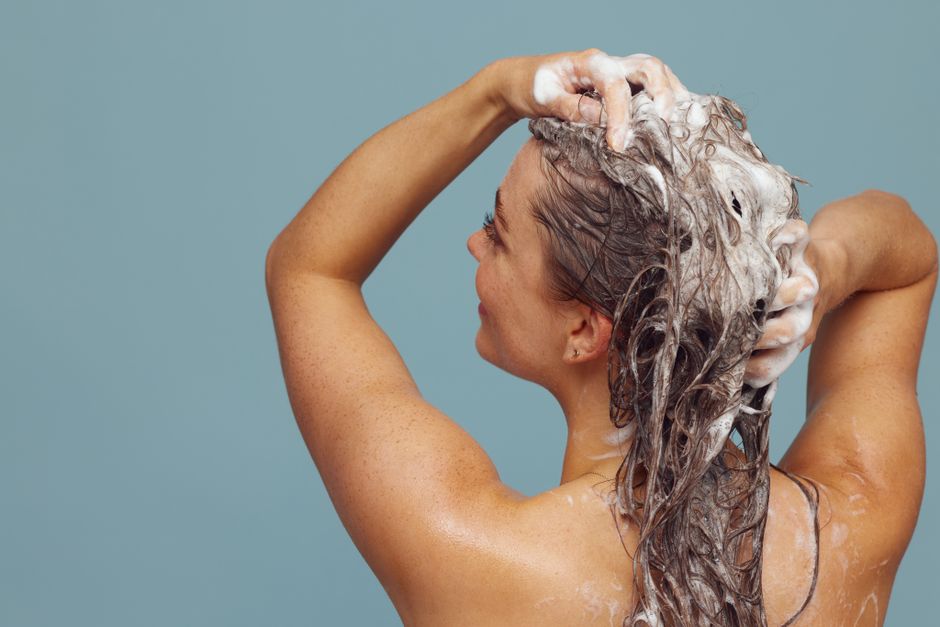
Washing long hair is not the same as washing short hair. The length changes everything — from how much shampoo you need to how you handle the strands. Done wrong, washing can cause breakage, split ends, and frizz. Done right, it keeps hair strong and healthy from root to tip. The key is to focus on your scalp, not the lengths, and to treat wet hair with extra care because it is at its most fragile state when soaked.
Why Is Wet Hair More Prone to Damage?
Hair is made of a protein called keratin. When hair gets wet, water breaks the hydrogen bonds inside each strand. This makes the hair swell and stretch. A wet strand can stretch up to 30% longer than its dry length without snapping, but it also loses much of its natural strength during this process.
Think of dry hair like a dry sponge. It is firm and holds its shape. A wet sponge is soft and tears easily. The same principle applies to hair. Rubbing, pulling, or brushing wet hair aggressively puts stress on strands that are already in a weakened state. This is why most hair breakage happens in the shower or right after.
How To Properly Wash Long Hair Without Damage
The correct method starts before you touch your hair. Detangle dry hair first with a wide-tooth comb or your fingers. Working through knots before washing means you will not have to fight tangles when the hair is at its weakest. Start at the ends and work upward toward the scalp.
Next, use warm — not hot — water. Hot water strips away the natural oils that protect your hair and scalp. Warm water cleans effectively without causing the cuticle to lift. The cuticle is the outer layer of each strand. When it lies flat, hair looks shiny. When it is rough or lifted, hair looks dull and frizzy.
Wet your hair fully. Apply shampoo to your scalp only. The scalp produces oil and collects dirt, sweat, and product buildup. The lengths of your hair rarely need direct shampooing. When you rinse, the suds travel down the strands and clean them gently as they go.
Use your fingertips, not your nails, to massage the shampoo into your scalp. Nails can scratch the scalp and cause irritation. Use small circular motions with light pressure. This stimulates blood flow without damaging hair follicles.
Rinse thoroughly. Leftover shampoo residue can dry out the scalp and make hair look greasy faster. Then apply conditioner to the mid-lengths and ends — never the scalp. The ends are the oldest part of your hair and have the most damage. They need the most moisture. The scalp produces its own oil, so adding conditioner there can weigh hair down.
Leave the conditioner on for the time stated on the product label, usually one to three minutes. Then rinse with cool water. Cool water helps flatten the cuticle, which seals in moisture and adds shine. It will not permanently change your hair, but it does help the cuticle lie smoother.
How Often Should You Wash Long Hair?
There is no single right answer for everyone. How often you wash depends on your hair type, scalp oil production, activity level, and environment.
People with fine, straight hair often need to wash more frequently because oil travels down the strand quickly. People with thick, curly, or coily hair can often go longer between washes because the natural oils have a harder time moving down the hair shaft. This is why curly hair tends to be drier and benefits from less frequent washing.
Most people do well washing every two to three days. Washing daily is not harmful if your scalp genuinely needs it, but it can dry out the lengths of long hair. If you exercise heavily or sweat a lot, you may need to rinse or wash more often. If your scalp is dry or your hair feels brittle, try stretching the time between washes.
Dry shampoo can help extend time between washes, but it is not a substitute for actually cleaning the scalp. It absorbs oil at the surface. It does not remove buildup or dead skin cells.





What About Sulfates and Silicones?
Sulfates are cleansing agents that create lather. They are effective at removing oil and buildup, but they can be harsh on some hair types. Sodium lauryl sulfate and sodium laureth sulfate are the most common ones listed on shampoo bottles.
For long hair, sulfates are not automatically bad. If you have a very oily scalp or use heavy styling products, a sulfate shampoo may be the best way to get clean. The problem is that sulfates can strip too much oil from dry or damaged hair, leaving it brittle.
Silicones are ingredients added to conditioners and styling products to coat the hair and make it feel smooth. They can help with frizz and detangling. The downside is that silicones can build up on the hair over time, especially if you do not use a clarifying shampoo occasionally. If your hair feels heavy or dull despite regular washing, buildup may be the cause.
There is no universal rule that says you must avoid either ingredient. Pay attention to how your hair responds. If it feels soft, manageable, and healthy, your current products are working. If it feels dry, sticky, or weighed down, consider switching.
How To Dry Long Hair Without Causing Breakage
What you do after washing matters as much as the wash itself. The first step is to stop rubbing your hair with a towel. Rubbing wet strands against cotton fabric causes friction, which lifts the cuticle and creates frizz and breakage.
Instead, gently squeeze excess water out of your hair. Then wrap it in a microfiber towel or an old cotton t-shirt. These fabrics are smoother and absorb water without roughing up the cuticle. Leave the wrap on for five to ten minutes while you do other things.
Do not brush wet hair with a regular brush. Brushes with tight bristles pull and snap wet strands. Use a wide-tooth comb or your fingers to work through any tangles while conditioner is still in your hair or immediately after rinsing. Start at the ends and work upward.
If you use a blow dryer, keep the heat on low or medium and keep the nozzle moving. Concentrating heat on one section damages the protein structure of the hair. Hold the dryer at least six inches away from your head. If your hair feels hot to the touch, you are using too much heat.
Air drying is generally gentler, but it is not risk-free. Wet hair left loose can tangle and rub against clothing, which also causes friction damage. If you air dry, keep hair loosely tied or braided once it is damp, and use a leave-in conditioner to help with detangling.
Common Mistakes That Damage Long Hair
Several habits cause damage without people realizing it. One of the most common is piling all of your hair on top of your head to shampoo. This creates a tangle of strands that rub against each other. Keep hair hanging down and wash the scalp in sections if needed.
Skipping conditioner is another mistake. Long hair needs moisture because the natural oils from the scalp cannot travel all the way down the strand. The ends of long hair are often years old and have been through many washes, heat styling sessions, and environmental exposures. They need help.
Using too much product is also a problem. More shampoo does not mean cleaner hair. A quarter-sized amount is enough for most people with long hair. More conditioner does not mean softer hair. Too much leaves a coating that attracts dirt and makes hair look greasy.
Another overlooked issue is water temperature. Very hot water opens the cuticle and strips moisture. Very cold water is uncomfortable and does not clean as well. Stick with warm for washing and cool for the final rinse.
Signs Your Washing Routine Needs to Change
Your hair will tell you when something is wrong. If you notice excess shedding in the drain, it may be a sign that you are brushing or rubbing too aggressively. Some daily shedding is normal — losing 50 to 100 hairs per day is expected. But if you see more than usual, review your technique.
If your hair feels dry and straw-like, you may be washing too often or using water that is too hot. If it feels greasy by midday, you may be skipping conditioner or not rinsing thoroughly. If it breaks off at the ends, you may need to trim it and change how you handle it when wet.
Persistent scalp itching or flaking can also signal a problem. It could be a reaction to a product ingredient, or it could mean you are not rinsing well enough. If symptoms continue after adjusting your routine, talk to a dermatologist.
Frequently Asked Questions
Should I wash long hair every day?
Most people do not need to wash long hair every day. Washing every two to three days works well for most hair types, but adjust based on your scalp oil and activity level.
Is hot water bad for long hair?
Hot water strips natural oils and can leave hair dry and brittle. Use warm water to wash and a cool rinse at the end to help seal the cuticle.
Can I brush long hair when it is wet?
Brushing wet hair with a regular brush causes breakage because wet strands are fragile. Use a wide-tooth comb or your fingers instead, starting at the ends.
How much shampoo should I use for long hair?
A quarter-sized amount is enough for most people. Focus the shampoo on your scalp and let the suds clean the lengths as you rinse.
