
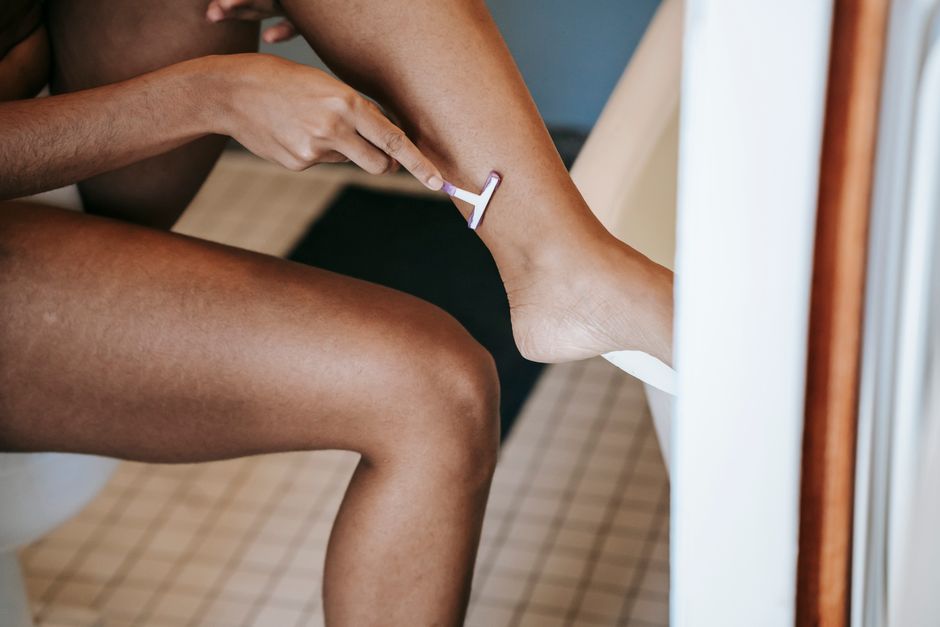
Most hair removal cream labels recommend waiting 72 hours between uses, and sticking to that is the safest choice for most people. Using it more often than every three days significantly raises your risk of chemical burns, skin irritation, and allergic reactions. Your skin needs time to rebuild its protective barrier after the cream’s chemicals break down hair proteins. Some people with tougher skin can use it twice a week, but that is the upper limit — not a starting point.
How Do Hair Removal Creams Actually Work on Your Skin?
Hair removal creams are not like shaving. They do not cut hair at the surface. They use chemicals called thioglycolates to break down the protein structure of hair so it dissolves and can be wiped away. The same chemicals that dissolve hair can also irritate skin because skin contains similar proteins.
The cream sits on your skin for a set time — usually 3 to 10 minutes. During that time, the chemicals are working on hair and also contacting your skin cells. The longer the cream stays on, the deeper it penetrates. That is why leaving it on past the recommended time is dangerous. The American Academy of Dermatology has stated that chemical burns from depilatory creams are a common issue in emergency rooms, often from people leaving the product on too long or using it too frequently.
Your skin’s outer layer, the stratum corneum, acts as a shield. After a hair removal cream treatment, that shield is temporarily thinner and more vulnerable. It takes about 48 to 72 hours for your skin to fully recover its protective function. Using cream again before that window closes is asking for trouble.
What Determines How Often You Can Safely Use Hair Removal Cream?
Your personal skin type is the biggest factor. People with thicker, oilier skin generally tolerate more frequent use. People with dry, sensitive, or eczema-prone skin should wait longer between sessions. There is no one-size-fits-all number because everyone’s skin barrier repairs at a different rate.
The area of your body matters too. Skin on your legs is tougher and can handle more frequent cream use. Skin on your face, underarms, and bikini area is thinner and more absorbent. A study published in the Journal of the American Academy of Dermatology noted that facial skin is up to 10 times more permeable than leg skin. Using cream on your face more than once every 5 to 7 days is risky for most people.
Hair thickness also plays a role. Coarse hair needs stronger formulas or longer application times. Those stronger formulas are more aggressive on skin. If you are treating coarse leg hair, you may need to wait closer to 72 hours between uses. Fine hair can be treated with gentler creams that may allow slightly more frequent use, but never more than twice a week.
What Happens When You Use Hair Removal Cream Too Often?
Chemical burns are the most serious risk. They look like red, raw patches that may blister or peel. These burns happen because the cream’s chemicals damage the skin’s outer layers faster than they can heal. A 2022 review in the journal Cutis found that depilatory cream burns accounted for roughly 1 in 200 dermatology emergency visits, with overuse being a primary cause.
Contact dermatitis is more common than burns. It shows up as redness, itching, stinging, or a rash. This reaction can be either irritant (direct chemical damage) or allergic (your immune system reacting). Both types get worse with repeated exposure. If you notice any stinging during application, that is a sign your skin barrier is already compromised.
Other side effects include ingrown hairs, which ironically happen more often with frequent cream use. The chemicals can weaken hair shafts, causing them to break below the skin surface instead of growing out normally. You may also develop hyperpigmentation — dark patches of skin — especially on the face or underarms if you use creams too aggressively.





How Often Can You Use Hair Removal Cream Safely on Different Body Parts?
The table below shows general guidelines based on body area and skin sensitivity. These are not strict rules, but they reflect what dermatologists typically recommend.
| Body Area | Recommended Minimum Wait Time | Maximum Frequency | Notes |
|---|---|---|---|
| Legs | 72 hours | Twice per week | Toughest skin on body; most people tolerate this well |
| Arms | 72 hours | Twice per week | Similar to legs for most people |
| Underarms | 96 hours (4 days) | Once per week | Thinner skin; high friction area |
| Bikini area | 96 hours (4 days) | Once per week | Sensitive skin; avoid if any razor bumps or irritation |
| Face | 5 to 7 days | Once per week max | Thinnest skin; test a small patch first each time |
These numbers assume you have no reaction after each use. If you see redness, bumps, or feel burning, double the wait time before your next application. Your skin is telling you it needs more recovery time.
What Are the Signs You Should Stop Using Hair Removal Cream?
Your skin will give clear signals when it is being overtreated. Stop immediately if you notice any of these:
- Burning or stinging during application that does not fade within 30 seconds
- Redness that lasts longer than 24 hours after use
- Any blisters, open sores, or peeling skin
- Darkening of the skin in treated areas
- Rash or raised bumps that appear hours after use
If you have any of these signs, wait at least one full week before trying again. In many cases, taking a two-week break is better. Your skin needs that time to rebuild its barrier fully. Some people report that switching to a cream formulated for sensitive skin helps, but strong evidence for this is limited. The real fix is giving your skin more time between uses.
One non-obvious point: using a moisturizer after hair removal cream does not speed up barrier repair. It can help reduce discomfort, but the skin’s natural healing process takes the same amount of time. A fragrance-free moisturizer is best. Avoid anything with retinol, alpha hydroxy acids, or vitamin C for at least 48 hours after using hair removal cream.
Common Misconceptions About Hair Removal Cream Safety
A widespread claim is that “natural” or “organic” hair removal creams are safer and can be used more often. This is not supported by evidence. Most “natural” creams still use the same thioglycolate chemicals, just at slightly lower concentrations. Some use calcium thioglycolate instead of potassium thioglycolate, which can be gentler, but the difference is small. No hair removal cream is truly chemical-free — that would make it ineffective.
Another myth is that leaving the cream on longer removes more hair permanently. Hair removal creams only affect hair above the skin surface and just below it. They do not damage the hair follicle. Hair will grow back at the same rate regardless of how long you leave the cream on. Leaving it on longer only increases your risk of chemical burns without any benefit.
Some people believe that if a cream does not sting or burn, it is safe to use daily. This is false. Chemical damage can happen without immediate sensation. You may not feel irritation until hours later. Following the label’s timing and frequency instructions is the only reliable safety measure, regardless of how your skin feels during application.
What to Avoid When Using Hair Removal Cream
Do not apply hair removal cream to broken, sunburned, or irritated skin. The chemicals will penetrate much deeper and cause significant damage. Wait until any skin issue has fully healed before using cream on that area.
Do not use hair removal cream on the same day you exfoliate. Exfoliation removes dead skin cells and thins your skin barrier. Using cream right after exfoliation dramatically increases chemical absorption and irritation risk. Wait at least 24 hours between exfoliating and using hair removal cream.
Avoid using deodorant, antiperspirant, or scented lotions on underarms for 24 hours after treatment. These products contain ingredients that can irritate skin that is already vulnerable. The same applies to tight clothing on treated legs or bikini areas — friction can worsen irritation.
Do not use hair removal cream on your eyebrows or near your eyes. The skin around your eyes is extremely thin and sensitive. Chemical burns to this area can cause permanent damage. If you want to remove eyebrow hair, use tweezers or see a professional.
Frequently Asked Questions
Can I use hair removal cream two days in a row?
No. Your skin needs at least 72 hours to recover between uses. Using it two days in a row greatly increases your risk of chemical burns and irritation.
How long should I wait before reusing hair removal cream on my face?
Wait at least 5 to 7 days between facial uses. Facial skin is much thinner and more sensitive than other body areas.
Does hair removal cream work better if I leave it on longer?
No. Leaving it on longer does not remove more hair and only increases your risk of chemical burns. Always follow the label’s timing instructions.
Can I use hair removal cream if I have sensitive skin?
Yes, but you should do a patch test 24 hours before full application. Use a cream labeled for sensitive skin and wait a full 4 to 5 days between uses.
