
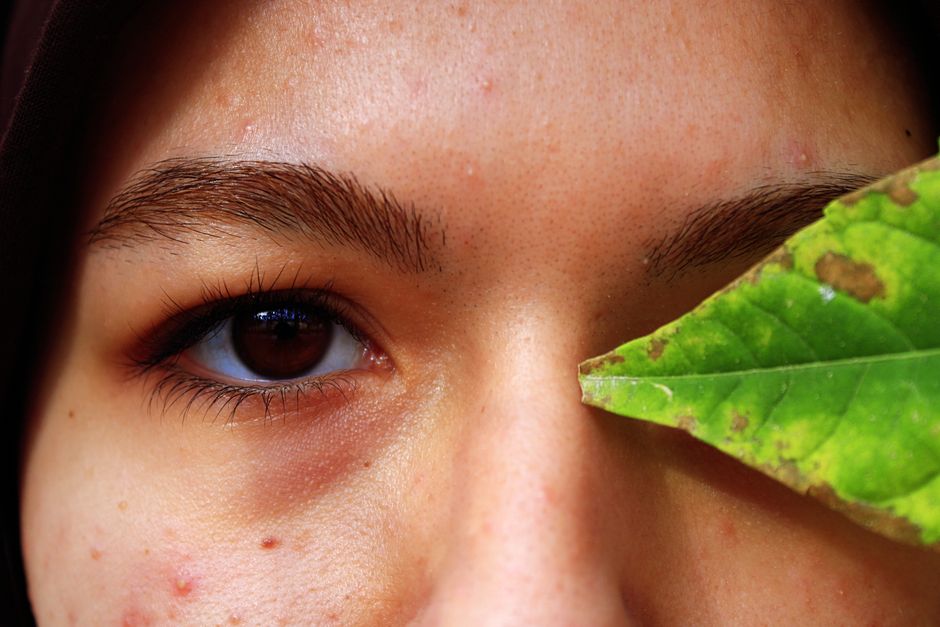
Eyebrow dandruff itself does not cause permanent hair loss. The flaking and itching you see is a surface condition, and the hair follicles sit deeper in the skin than that surface inflammation usually reaches. What can happen is temporary shedding, and in a smaller number of cases, a different condition that looks like dandruff is actually the cause of eyebrow hair loss.
The key distinction is between two things that look similar in the mirror: scaling skin around the brows, and thinning or missing eyebrow hairs. One is a skin issue. The other can be a follicle issue. Sometimes they overlap. Often they do not.
What Is Eyebrow Dandruff Exactly?
Seborrheic dermatitis is the medical term for what most people call dandruff, and it can affect the eyebrows just as it affects the scalp. It is a chronic inflammatory skin condition, not an infection you catch and clear.
The driver is a yeast called Malassezia that lives on everyone’s skin. In people with seborrheic dermatitis, the skin reacts to this yeast with inflammation, redness, and flaking. The eyebrows, along with the sides of the nose, the ears, and the hairline, are common sites because these areas are rich in oil-producing sebaceous glands.
The flakes in seborrheic dermatitis tend to look yellowish or greasy rather than dry and white. The skin underneath is often pink or red. Itching is common but not universal.
This is a condition that comes and goes. It is not caused by poor hygiene, and it is not contagious. Stress, cold weather, and dry indoor air often make it worse. So does skipping washing, because oil builds up and feeds the yeast.
Does Eyebrow Dandruff Cause Hair Loss The Facts?
Seborrheic dermatitis on the eyebrows does not destroy hair follicles and does not cause permanent eyebrow hair loss. The inflammation sits in the upper layers of the skin. Hair follicles in the eyebrow are anchored deeper, in the dermis and subcutaneous tissue. Surface flaking does not reach them.
That said, two indirect pathways can lead to some temporary thinning:
- Scratching and rubbing. Repeated mechanical trauma from itching can pull hairs out prematurely. This is a physical cause, not a chemical one from the dandruff itself.
- Inflammation that spreads. In more severe or long-standing seborrheic dermatitis, inflammation can extend deeper into the skin. Some clinicians believe this can disturb the hair growth cycle and cause temporary shedding. The evidence for this is limited and mostly based on clinical observation rather than controlled trials.
When hair does shed for either reason, it typically grows back once the underlying irritation is controlled. Permanent loss from seborrheic dermatitis alone is not something the medical literature supports.
What Else Causes Eyebrow Hair Loss?
If you are losing eyebrow hair and you also have flaking skin, the flaking may be a coincidence. Several conditions cause eyebrow hair loss directly, and some of them also cause scaling that gets mistaken for dandruff.
Madarosis
Madarosis is the medical term for loss of eyebrow or eyelash hair. It is a symptom, not a diagnosis, and it has many possible causes. They range from thyroid disorders to nutritional deficiencies to skin conditions that directly attack the hair follicle.
Frontal fibrosing alopecia
This is a scarring form of hair loss that often begins with thinning eyebrows. The follicle is permanently damaged and replaced with scar tissue. It is more common in women after menopause. Early treatment matters because lost follicles do not grow back.
Alopecia areata
An autoimmune condition where the immune system attacks hair follicles. It can affect the eyebrows alone or along with the scalp. The hair usually grows back, but the course is unpredictable.
Thyroid disease
Both an underactive and an overactive thyroid can cause eyebrow thinning. The outer third of the eyebrow is classically affected in hypothyroidism, though this pattern is not universal.
Other causes
- Over-plucking or aggressive eyebrow grooming that damages follicles over time
- Nutritional deficiencies, particularly iron and zinc
- Certain medications, including some chemotherapy agents and retinoids
- Skin conditions like psoriasis that can affect the eyebrow area
- Normal aging, which gradually thins eyebrow hair in many people

How Can You Tell the Difference?
The pattern of what you see matters more than any single symptom. Here is how the two situations tend to differ:
| Feature | Seborrheic dermatitis (dandruff) | Condition causing hair loss |
|---|---|---|
| Main sign | Flaking, greasy or yellowish scales | Thinning or missing hairs |
| Skin appearance | Pink or red, sometimes itchy | May look normal or show redness and scaling |
| Hair shedding | Mild, temporary, from scratching | Progressive or patchy |
| Reversibility | Hair regrows once irritation settles | Depends on cause; scarring types are permanent |
| Typical course | Comes and goes with triggers | Often steadily worsens without treatment |
If your eyebrows are thinning and you cannot explain it by plucking or dandruff irritation, that is a reason to see a doctor. A dermatologist can examine the skin and hair follicles directly, sometimes with a small magnifying tool called a dermatoscope, and determine whether scarring is present.
How Is Eyebrow Dandruff Treated?
Treatment for seborrheic dermatitis focuses on controlling the yeast and calming inflammation. It manages the condition rather than eliminating it, because the yeast is a normal part of skin flora.
Common approaches your doctor may recommend include:
- Antifungal shampoos or creams containing ketoconazole, selenium sulfide, or ciclopirox, applied carefully to the eyebrow area
- Mild topical corticosteroids for short-term flare control, used under medical guidance because long-term use can thin the skin
- Gentle cleansing to remove oil and scale without scrubbing
- Moisturizing to reduce irritation from dryness
Be careful with over-the-counter dandruff shampoos near the eyes. Ingredients like selenium sulfide and coal tar can irritate the eyes badly. A doctor can suggest a formulation appropriate for the brow area.
If the goal is preventing hair shedding from scratching, the most useful step is to stop rubbing. That sounds obvious, but itching is the main way dandruff leads to temporary hair loss, and breaking that cycle matters.
When Should You See a Doctor?
See a dermatologist if any of the following apply:
- Your eyebrow hair is falling out in patches rather than thinning evenly
- The skin under the brow looks shiny, smooth, or has lost its normal texture
- You notice redness, scaling, or hair loss that is getting worse over weeks to months
- You have hair loss elsewhere on the body, including the scalp or eyelashes
- Over-the-counter dandruff treatment has not helped after several weeks of consistent use
- You have other symptoms like fatigue, weight changes, or unusual hair loss on the scalp
The reason to see a doctor is not that dandruff is dangerous. It is that eyebrow hair loss has causes that require different treatment, and some of them, like frontal fibrosing alopecia, cause permanent damage if left alone.
The Bottom Line on Dandruff and Eyebrow Hair
Eyebrow dandruff is a surface problem. The hair follicle lives deeper. For that reason, dandruff by itself is not a direct cause of permanent eyebrow hair loss.
What dandruff can do is make you scratch, and scratching can pull hairs out. That hair usually returns once the irritation is under control.
The bigger concern is when eyebrow hair loss happens without a clear explanation. If your brows are thinning and you are not sure why, the flaking skin may be a red herring. Get it checked. The conditions that do cause permanent eyebrow hair loss are treatable, and early treatment makes a difference.
Frequently Asked Questions
Can dandruff cause eyebrow hair loss?
Dandruff itself does not cause permanent eyebrow hair loss because the inflammation stays in the upper skin layers and does not reach the follicle. It can lead to temporary shedding if you scratch enough to pull hairs out.
Will my eyebrow hair grow back after dandruff clears up?
In most cases, yes, if the loss was from scratching or mild irritation. Hair that was pulled out by rubbing typically regrows once the skin calms down and you stop irritating the area.
What does eyebrow dandruff look like compared to other conditions?
Seborrheic dermatitis usually causes greasy, yellowish flakes with pink or red skin underneath. Conditions that cause actual hair loss may show thinning hairs, smooth or shiny skin, or patchy bald spots without much flaking.
When should I worry about losing my eyebrow hair?
See a doctor if your eyebrow hair is falling out in patches, the skin looks smooth or scarred, or the loss is getting worse over time. These signs point to causes other than dandruff that may need specific treatment.
