
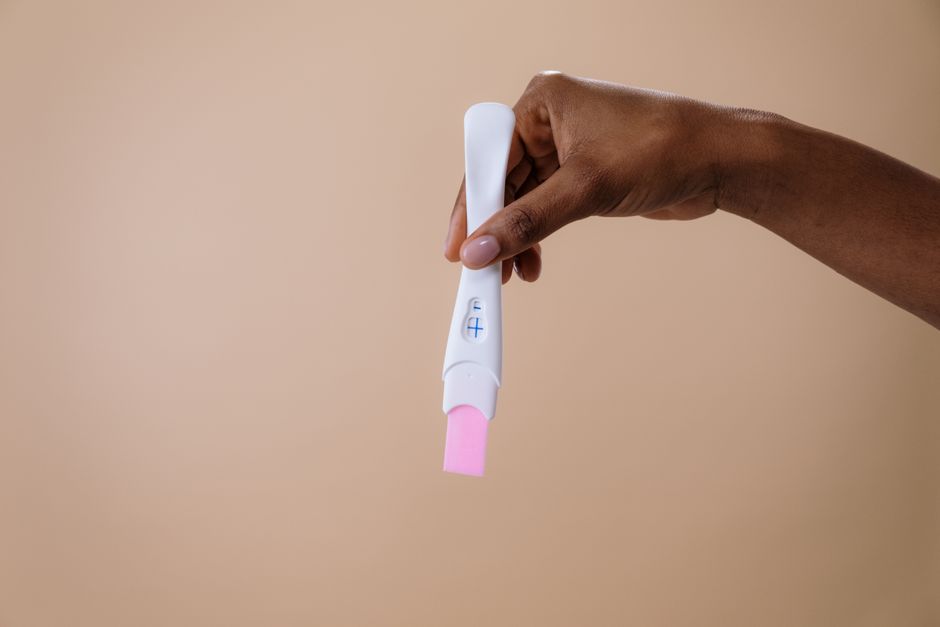
NAD+ is a molecule found in every cell of your body. It stands for nicotinamide adenine dinucleotide. It helps turn food into energy and supports hundreds of chemical reactions. As you age, NAD+ levels naturally decline. This decline is now being studied as a possible factor in age-related fertility problems for both women and men. Lower NAD+ levels are linked to poorer egg quality in women and lower sperm quality in men, though direct cause-and-effect in humans is still being researched.
What Is NAD+ and Why Does It Matter for Fertility?
NAD+ is a coenzyme. It is not a vitamin or a hormone. It is a helper molecule that other enzymes need to do their jobs. Two of those jobs matter directly for fertility: energy production and DNA repair.
Eggs and sperm need enormous amounts of energy to develop properly. An egg is one of the largest cells in the human body. Sperm must swim long distances. Both processes depend on healthy mitochondria, the power plants inside cells. NAD+ is essential for mitochondria to function.
NAD+ also supports enzymes called sirtuins. These proteins help repair damaged DNA. Eggs and sperm are vulnerable to DNA damage over time. When NAD+ levels drop, DNA repair slows down. This can lead to genetic errors in eggs and sperm, which reduces fertility and raises the risk of miscarriage.
How Do NAD+ Levels Change With Age?
Research consistently shows that NAD+ levels fall as we get older. In human tissues, NAD+ levels can drop by about half by middle age. The exact rate varies by tissue and by person. But the general trend is clear and well documented.
This decline matters for fertility because fertility also declines with age. Women see a notable drop in fertility starting in their mid-30s. Men experience a gradual decline in sperm quality after age 40. Some researchers believe the drop in NAD+ is one link between aging and reduced fertility.
It is important to be clear: aging causes many changes in the body. NAD+ decline is one of them. It is not the only cause of age-related infertility. But it is a plausible contributor that is actively being studied.
How NAD+ Levels Affect Fertility For Women And Men
The relationship between NAD+ and fertility is different for women and men. The biological reasons are different. The evidence is also at different stages.
For women, the main concern is egg quality. Women are born with all the eggs they will ever have. These eggs sit in the ovaries for decades. Over time, they accumulate damage. NAD+ is needed to repair this damage. When NAD+ levels are low, egg quality suffers. Some studies in animals have shown that boosting NAD+ improves egg quality and increases live birth rates. Human studies are much more limited but are underway.
For men, the main concern is sperm quality. Sperm are produced continuously, but the cells that make them age. NAD+ levels in testicular tissue decline with age. Lower NAD+ is associated with lower sperm count, poorer sperm movement, and more DNA damage in sperm. Some early human studies suggest that NAD+ precursors may improve certain sperm parameters, but the evidence is not yet strong enough for clinical recommendations.
One important point: NAD+ does not affect the number of eggs a woman has. That number is fixed before birth. NAD+ is about quality, not quantity. No supplement or treatment can create new eggs.




Can NAD+ Supplements Improve Fertility?
This is where the evidence gets complicated. NAD+ itself is too large to enter cells easily. So supplements contain NAD+ precursors, which are smaller molecules the body can convert into NAD+. The most studied are nicotinamide riboside (NR) and nicotinamide mononucleotide (NMN).
In animal studies, these supplements have shown promising results. Mice given NR or NMN have better egg quality, healthier embryos, and higher pregnancy rates. Older mice can even regain fertility levels similar to younger mice. These results are real and published in reputable journals.
But animal results do not automatically apply to humans. Human trials on NAD+ precursors and fertility are few and small. Some studies show that NR and NMN raise NAD+ levels in human blood. That part is confirmed. Whether that translates to better eggs, better sperm, or more live births is not yet proven.
No clinical guidelines currently recommend NAD+ supplements for fertility. Some fertility specialists recommend them based on the animal data and the low risk of side effects. But that is off-label use, not an evidence-based standard of care. Be honest about that distinction.
What Do Fertility Doctors Actually Recommend?
Most reproductive endocrinologists focus on what is proven. That includes lifestyle factors that clearly affect fertility. These are the recommendations with the strongest evidence behind them.
- Maintain a healthy body weight. Both obesity and being underweight reduce fertility in women and men.
- Do not smoke. Smoking damages eggs and sperm at the DNA level.
- Limit alcohol. Heavy drinking reduces sperm quality and can disrupt ovulation.
- Manage stress. High stress does not directly cause infertility, but it can disrupt hormone balance.
- Get enough sleep. Poor sleep is linked to hormonal changes that affect reproduction.
- Eat a Mediterranean-style diet. Some studies link this diet to better fertility outcomes.
Some doctors also recommend antioxidant supplements like CoQ10. CoQ10 supports mitochondrial function, similar to NAD+. The evidence for CoQ10 is mixed but more established than for NR or NMN. Some studies show improved egg quality and sperm movement. Others show no benefit.
If you are considering NAD+ supplements for fertility, talk to your doctor first. Ask about potential interactions with any medications you take. Discuss the limits of the evidence. A good doctor will give you an honest picture of what is known and what is not.
Are NAD+ Supplements Safe?
Short-term safety data for NR and NMN is reassuring. Human trials lasting a few months have not shown serious side effects. Some people report mild nausea, fatigue, or headache. These symptoms usually go away on their own.
Long-term safety is unknown. No one has studied NAD+ precursors for years at a time in large human populations. This matters because NAD+ affects many systems in the body, not just reproduction. It influences the immune system, blood sugar control, and even cancer cell growth.
There is a theoretical concern about cancer. NAD+ helps cells repair DNA. That is good for eggs and sperm. But cancer cells also use NAD+ to grow and resist treatment. No study has shown that NAD+ supplements cause cancer in humans. But the theoretical risk means that people with a history of cancer should be cautious.
Pregnant women and women trying to conceive should be especially careful. No clinical trials have tested NAD+ precursors during pregnancy. The effects on a developing fetus are unknown. Do not take NAD+ supplements while pregnant without explicit guidance from your obstetrician.
What Is the Future of NAD+ and Fertility Research?
This is an active area of study. Several clinical trials are currently recruiting participants. These trials are measuring whether NAD+ precursors improve egg quality in women undergoing IVF. Others are looking at sperm quality in men with low counts.
The results of these trials will take years to fully analyze. Fertility research is slow because pregnancy outcomes take months to measure. And the field is careful about claiming success based on surrogate markers like egg quality or sperm count. The real question is whether NAD+ boosts live birth rates.
There is also research on combining NAD+ precursors with other treatments. Some scientists are studying NAD+ alongside CoQ10 or other mitochondrial support. The idea is that these compounds work through related pathways and may have additive effects. This is speculative at this point.
The honest summary is this: NAD+ is biologically important for fertility. The science is compelling in animals. Human evidence is emerging but not conclusive. If you are struggling with fertility, do not replace proven treatments with NAD+ supplements. Talk to a fertility specialist about your specific situation.
Frequently Asked Questions
Can NAD+ supplements improve egg quality?
Animal studies show improved egg quality with NAD+ precursors, but human evidence is limited. No clinical guidelines currently recommend NAD+ supplements for this purpose.
Do NAD+ levels affect sperm quality in men?
Lower NAD+ levels are associated with poorer sperm quality and more DNA damage in sperm. Early human studies on NAD+ supplements for sperm are promising but not conclusive.
Is it safe to take NMN or NR while trying to conceive?
Short-term safety data is reassuring, but long-term safety and effects on pregnancy are unknown. No clinical trials have tested these supplements during pregnancy, so talk to your doctor first.
How long does it take for NAD+ supplements to work?
NAD+ levels in blood rise within weeks of supplementation in human studies. Whether that translates to improved fertility outcomes is not yet established.
