
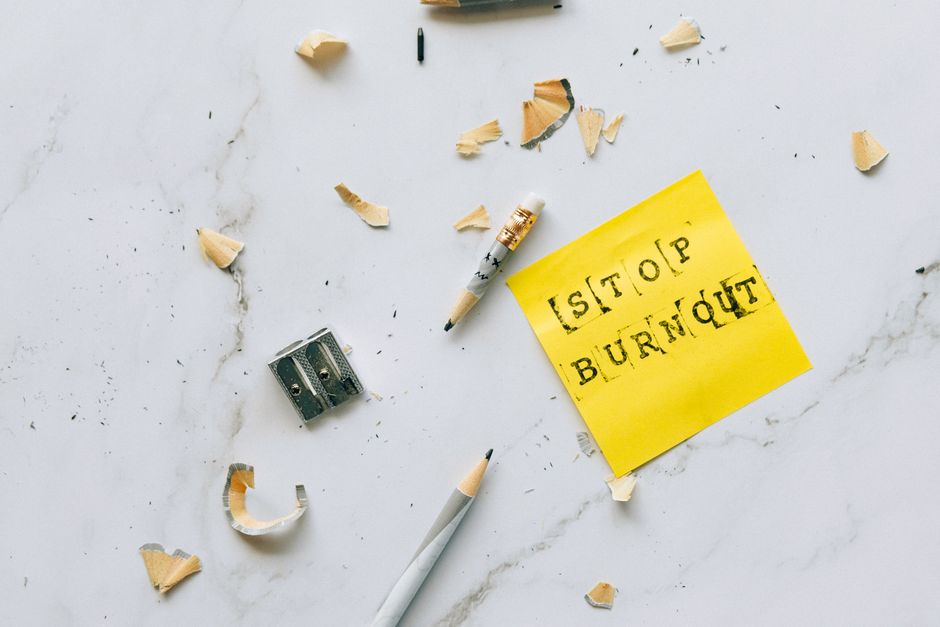
Stress does more than raise your blood pressure and keep you up at night. It changes how you interact with the people around you. When stress becomes chronic, it can make you withdraw from friends, misinterpret neutral comments as attacks, and lose patience with the people you care about most. These social shifts are not character flaws — they are biological responses your body triggers to protect you, even when the threat is a deadline rather than a predator.
What Happens in Your Brain When You Are Stressed
Your brain has a built-in alarm system. When it detects a threat, it signals the release of cortisol and adrenaline. These hormones prepare your body to fight or flee. That response is useful when you face real danger. It is less useful when you are stuck in traffic or facing an inbox full of emails.
Chronic stress keeps that alarm system switched on. Your brain stays in a state of high alert. In this state, your brain prioritizes survival over social connection. The parts of your brain responsible for empathy and reading social cues become less active. You are more likely to see neutral facial expressions as hostile. You are more likely to snap at a partner who asks a simple question.
This is not a conscious choice. Your brain is literally rewiring itself to focus on threats. Social interactions become secondary to survival. The result is that stressed people often feel irritable, impatient, and quick to judge others.
How Stress Changes Your Social Behavior
Stress affects social health through several distinct behavioral changes. These are patterns researchers observe consistently in people under chronic stress.
- Withdrawal: Stressed people often cancel plans and isolate themselves. Socializing feels like another demand on limited energy.
- Irritability: Small annoyances trigger outsized reactions. A partner’s harmless habit can suddenly feel unbearable.
- Poor listening: Your mind races with worries. You hear half of what someone says and respond to the half you think you heard.
- Conflict escalation: Stressed people are more likely to interpret ambiguous comments as criticism and respond defensively.
- Reduced empathy: You have less mental bandwidth to consider another person’s perspective when your own stress is consuming your attention.
These behaviors create a cycle. You withdraw, friends feel rejected, relationships strain, and the strain adds more stress. The worse your relationships become, the more isolated you feel, and the more your stress grows.
Can Stress Make You Less Socially Skilled
Yes. Social skills depend on reading subtle cues — tone of voice, facial expression, body language. Stress interferes with all of these abilities.
Research consistently shows that acute stress impairs your ability to recognize emotions in others. One study found that stressed individuals were significantly worse at identifying fearful and happy facial expressions compared to non-stressed participants. This matters because misreading emotions leads to inappropriate responses. You might laugh when someone is upset or respond coldly to a friend who needs warmth.
Stress also affects your memory for social details. You might forget a friend’s upcoming surgery or a colleague’s important presentation. People interpret these memory lapses as a lack of care. The stressed person is not uncaring — their working memory is overloaded with worry.
The good news is that these skills return when stress is managed. Social skills are not permanently damaged. They are temporarily impaired by the physiological state of chronic stress.





How Chronic Stress Affects Long-Term Relationships
Short bursts of stress may cause temporary irritability. Chronic stress — lasting weeks or months — erodes the foundation of relationships.
Partners of chronically stressed individuals often report feeling like they are walking on eggshells. They modify their behavior to avoid triggering an outburst. This dynamic creates distance. Intimacy requires vulnerability, and vulnerability feels unsafe when your partner is unpredictable.
Friendships suffer differently. Friends tolerate short periods of withdrawal. They understand when someone is going through a hard time. But chronic isolation without explanation reads as rejection. Friends eventually stop reaching out. The stressed person then feels abandoned, which adds another layer of stress.
Work relationships are affected too. Stressed employees are more likely to have conflicts with coworkers and less likely to collaborate effectively. This can stall career progress and add professional stress on top of personal stress.
Does Stress Make You More Conflict-Prone
Stress changes how you process ambiguous information. A text message that says “We need to talk” feels like a threat. A partner’s sigh sounds like disappointment. A coworker’s brief response seems like anger.
This bias toward negative interpretation is well documented. Stressed brains are primed to detect threat, so they interpret neutral or even positive cues as negative. This leads to defensive responses. Defensive responses trigger defensive responses in others. A minor misunderstanding becomes a full argument.
Stress also reduces your ability to pause before reacting. The prefrontal cortex — the part of the brain responsible for impulse control — is less active under stress. You say things in the heat of the moment that you would not say when calm. Apologies can repair some damage, but repeated conflict erodes trust.
Some research suggests that stress makes people more likely to blame others for problems rather than taking responsibility. This blame-shifting is a defense mechanism. Admitting fault feels like adding to your burden, so you deflect it onto someone else.
How Does Stress Affect Your Social Health in Daily Life
Stress affects social health in visible ways every day. You might notice that you avoid phone calls. You respond to texts with one-word answers. You choose to eat lunch at your desk instead of with coworkers. You decline invitations with vague excuses.
These small choices compound over time. Each withdrawal reinforces the pattern. Your social circle shrinks. Your support network weakens. When you finally need help, you feel like you have no one to call.
Social health is not just about having friends. It is about feeling connected to others. Chronic stress interferes with that feeling of connection. Even when you are physically present with people, stress keeps you mentally elsewhere. You are at the dinner table but thinking about work. You are at a party but worrying about tomorrow. This half-presence is exhausting for you and unsatisfying for the people around you.
What You Can Do to Protect Your Social Health During Stressful Times
You cannot eliminate stress entirely. But you can take steps to protect your relationships while you are under pressure.
Name your stress. Tell the people close to you that you are under a lot of pressure. This simple act gives them context for your behavior. They are less likely to take your irritability personally when they know it is not about them.
Schedule connection. When you are stressed, socializing feels optional. Make it non-negotiable. A 15-minute phone call with a friend counts. Brief contact maintains the connection without demanding more than you can give.
Repair ruptures quickly. When you snap at someone, apologize soon after. A simple “I am sorry, I am really stressed right now and I took it out on you” goes a long way. It acknowledges the behavior without excusing it.
Protect your sleep. Sleep deprivation amplifies stress and reduces social skills. Prioritizing sleep is one of the most effective ways to keep your social behavior intact during stressful periods.
Seek support. If stress is affecting your relationships for months, consider talking to a therapist. Therapy can help you develop coping strategies and repair relationship damage. This is not a sign of weakness. It is a practical step to protect your social health.
Frequently Asked Questions
Can stress make you want to be alone?
Yes, stress commonly triggers social withdrawal because socializing requires energy you may not have. This is a normal response to overload, but chronic isolation can worsen stress and damage relationships.
Does stress cause problems in relationships?
Chronic stress increases irritability, reduces empathy, and makes you more likely to misinterpret neutral comments as criticism. These changes can create repeated conflicts and emotional distance in relationships.
How long does it take to recover socially after a stressful period?
Social skills and relationship patterns typically improve within weeks once the stressor is resolved. If stress was prolonged or relationships were significantly damaged, it may take months of intentional effort to rebuild connections.
Can stress permanently damage your social skills?
No, chronic stress does not permanently damage social skills. The impairments are reversible when stress is managed, though rebuilding neglected relationships takes time and effort.
