
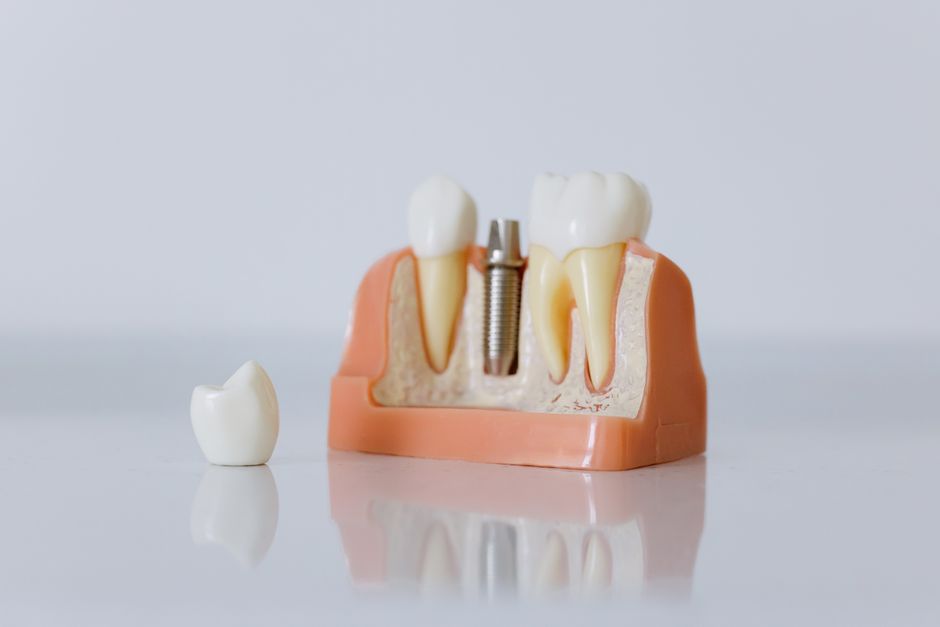
Dental bridge costs typically range from $1,500 to $6,500 depending on the type of bridge, materials used, and how many teeth need replacement. A traditional three-unit bridge for one missing tooth usually falls between $2,000 and $5,000. Your final cost depends on your location, dentist, insurance coverage, and whether you need additional procedures like tooth extraction or bone grafting.
What Factors Determine the Cost of a Dental Bridge?
The price of a dental bridge is not one fixed number. Several key factors push the cost up or down. The biggest factor is the type of bridge you get.
A traditional fixed bridge is the most common. It uses crowns on the two teeth next to the gap, with a false tooth in between. This type costs between $2,000 and $5,000 for a three-unit bridge. A cantilever bridge, which only attaches to one adjacent tooth, costs slightly less at $1,500 to $4,000. However, cantilever bridges are less stable and dentists rarely recommend them for back teeth.
Maryland bonded bridges use a metal or porcelain framework that bonds to the back of adjacent teeth. These cost $1,500 to $2,500. They are less invasive but also less durable. Implant-supported bridges are the most expensive option. Each implant costs $3,000 to $6,000 separately, and the bridge itself adds another $2,000 to $5,000. A full implant-supported bridge for multiple missing teeth can cost $15,000 to $30,000.
How Do Materials Affect the Price?
The material your bridge is made from changes the cost by hundreds or thousands of dollars. Porcelain fused to metal (PFM) bridges are the standard. They cost $2,000 to $4,500. They look natural but the metal underneath can show as a dark line near the gum over time.
All-ceramic or all-porcelain bridges cost $2,500 to $6,000. These look the most natural and work well for front teeth. Zirconia bridges are the strongest ceramic option. They cost $3,000 to $6,500. Research published in the Journal of Prosthodontics found zirconia bridges have a 95% survival rate over five years, which is comparable to PFM bridges.
Metal bridges, usually made from gold alloy, cost $2,500 to $5,000. They are extremely strong but not cosmetic. Dentists typically only use them for back molars where appearance does not matter. Resin bridges are the cheapest at $1,000 to $2,500, but they break more easily and last only three to five years.
What Additional Procedures Increase the Total Cost?
Very few people get a dental bridge without needing some extra work first. These added procedures can double your final bill. Tooth extraction costs $75 to $650 per tooth depending on complexity. Impacted teeth or surgical extractions cost more.
Bone grafting is sometimes needed if you have lost bone where the bridge will sit. This costs $200 to $1,200 per site. Root canals on the abutment teeth (the teeth holding the bridge) add $700 to $1,800 per tooth. Gum disease treatment adds $200 to $600 per quadrant.
Temporary bridges cost $300 to $500. You wear these for two to three weeks while your permanent bridge is being made. Some dentists include this in the total quote. Others bill it separately. Always ask before agreeing to treatment.





Does Dental Insurance Cover Any of the Cost?
Most dental insurance plans cover a portion of bridge costs. The American Dental Association reports that typical insurance pays 50% of the cost for major restorative work like bridges. This means if your bridge costs $4,000, your insurance might cover $2,000.
Most plans have an annual maximum between $1,000 and $2,000. If you have already used part of that for other dental work, you may have less left for the bridge. Some plans also have a waiting period of six to twelve months before they cover major procedures.
Medicare does not cover dental bridges. Medicaid coverage varies by state. Some states cover bridges for adults. Many only cover extractions and basic fillings. Check your specific state plan if you rely on Medicaid.
Dental discount plans are not insurance. They offer 10% to 60% off at participating dentists for an annual fee of $100 to $200. These can lower your bridge cost but you pay the full discounted amount at the time of service.
How Much Does a Dental Bridge Cost Compared to Alternatives?
Dental bridges are one option for replacing missing teeth. Compare them to other choices before deciding. The table below shows typical costs for each option.
| Option | Typical Cost Range | Pros | Cons |
|---|---|---|---|
| Dental Bridge | $1,500 – $6,500 | Faster than implants, less invasive | Requires grinding down adjacent teeth |
| Dental Implant (single tooth) | $3,000 – $6,000 | Most durable, preserves bone | Requires surgery, takes 3-6 months |
| Removable Partial Denture | $400 – $1,800 | Lowest cost, no grinding of teeth | Less stable, can feel bulky |
| Implant-Supported Bridge | $15,000 – $30,000 | Most stable for multiple missing teeth | Highest cost, multiple surgeries |
Bridges are faster than implants. You get a bridge in two to three weeks. Implants take three to six months because the implant must fuse with the bone. However, implants do not require grinding down healthy adjacent teeth. The CDC reports that about 120 million Americans are missing at least one tooth, and 36 million have no teeth at all. Bridges are a common solution but not the only one.
Some people report that removable partial dentures are uncomfortable. This is widely claimed, though strong evidence is limited. The National Institutes of Health notes that patient satisfaction varies widely with partial dentures. Bridges generally have higher satisfaction rates because they feel more like natural teeth.
How Can You Lower the Cost of a Dental Bridge?
Dental schools offer bridges at reduced prices. Students perform the work under supervision by licensed faculty. Costs are typically 30% to 50% less than private practice. The procedure takes longer because students work slowly, but the quality is closely monitored.
Dental tourism is another option. Countries like Mexico, Costa Rica, and Thailand offer bridges for $500 to $1,500. The American Dental Association warns that standards vary widely outside the US. If complications arise, you may not have recourse. Travel costs and time off work also add to the total.
Payment plans through your dentist can spread the cost over six to twelve months. Many dentists accept CareCredit or other healthcare credit cards. These often offer zero interest if paid within a promotional period. Missing a payment can trigger high retroactive interest rates.
Health savings accounts (HSAs) and flexible spending accounts (FSAs) let you pay with pretax dollars. This saves you 20% to 30% depending on your tax bracket. You cannot use these accounts if you do not have one through your employer.
Some community health centers offer sliding scale fees based on income. These centers are funded by the federal government. Wait times can be long, sometimes several months.
What Is the Lifespan of a Dental Bridge and Does It Affect Long-Term Cost?
A dental bridge typically lasts 5 to 15 years. The materials and your oral hygiene habits determine how long it lasts. A study in the Journal of Oral Rehabilitation found that bridges last an average of 10.3 years before needing replacement.
Good oral hygiene extends bridge life significantly. You must floss under the bridge daily. Special floss threaders or water flossers help reach the area. Poor hygiene leads to decay in the abutment teeth, which is the most common cause of bridge failure.
Regular dental checkups every six months catch problems early. The cost of replacing a failed bridge is the same as the original. Taking care of your bridge saves you thousands of dollars over time. Some people report that bridges last 20 years or more with excellent care, though this is not typical.
As of 2026, there is no clinical evidence that any special toothpaste or rinse extends bridge life beyond what regular fluoride toothpaste and good hygiene provide. Avoid hard or sticky foods that can loosen the bridge. Chewing ice or hard candy is a common cause of bridge damage.
Common Misconceptions About Dental Bridge Costs
Many people believe that a dental bridge is a one-time expense. This is not true. Bridges need replacement every 8 to 12 years on average. The lifetime cost of bridges can exceed the cost of dental implants over 20 to 30 years.
Another myth is that insurance covers the full cost. Most plans have a 50% coinsurance rate and an annual maximum. You will almost certainly pay several thousand dollars out of pocket. Some people report that their insurance covered 80% of the cost, but this is rare and usually only applies to plans with higher premiums.
Some people think a bridge is always cheaper than an implant. For a single tooth, a bridge costs less upfront. But an implant lasts 20 to 30 years or longer with proper care. Over a lifetime, an implant may be more cost-effective. The choice depends on your specific situation, budget, and how long you plan to keep the restoration.
Frequently Asked Questions
How much does a dental bridge cost with insurance?
With insurance you typically pay 50% of the cost after your deductible. For a $4,000 bridge you would pay around $2,000 if you have not reached your annual maximum.
How much does a dental bridge cost without insurance?
Without insurance a dental bridge costs between $1,500 and $6,500 depending on the type and materials. Payment plans or dental schools can reduce this cost.
Is a dental bridge cheaper than an implant?
A bridge costs less upfront than an implant. A bridge is $1,500 to $6,500 while a single implant is $3,000 to $6,000. Over a lifetime implants may be more cost-effective because they last longer.
How long does a dental bridge last?
Most dental bridges last 5 to 15 years. Good oral hygiene and regular dental visits can extend the lifespan to 20 years or more in some cases.
