
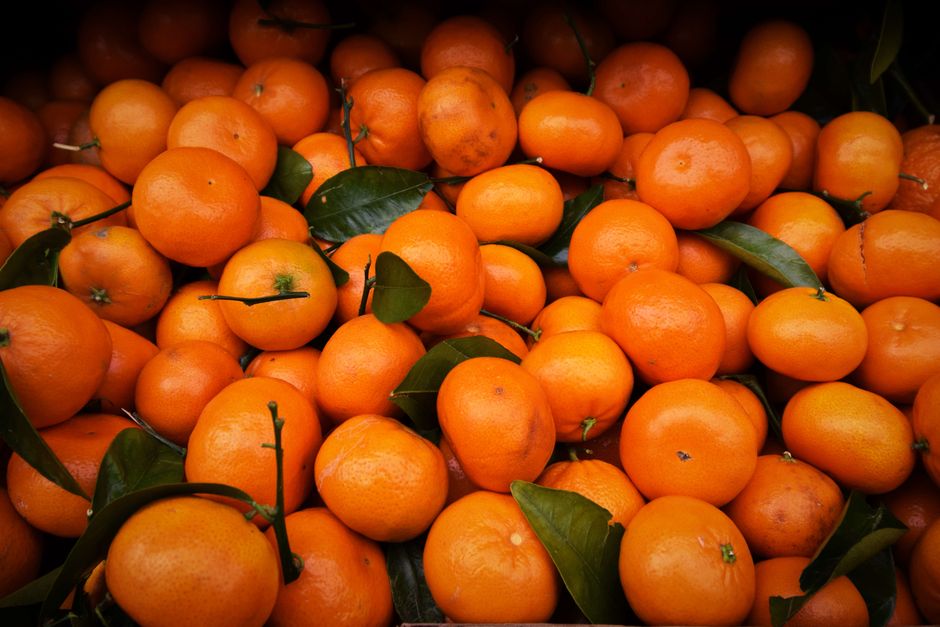
A single medium mandarin orange contains about 20 to 30 milligrams of vitamin C. That is roughly one-third of the daily recommended intake for most adults. This makes mandarins a solid but not extraordinary source of this essential nutrient.
How Much Vitamin C In A Mandarin Orange Compared to an Orange?
A standard navel orange provides about 70 to 80 milligrams of vitamin C. A mandarin gives you less than half of that. The difference matters if you are specifically trying to boost your vitamin C intake.
But mandarins have advantages. They are smaller, easier to peel, and many people eat them more often for that reason. A person who skips a navel orange because peeling it is messy might happily eat two mandarins. Two mandarins give you roughly the same vitamin C as one navel orange.
Variety also plays a role. Clementines, which are a type of mandarin, tend to have slightly less vitamin C than tangerines. Honey mandarins fall somewhere in the middle. The USDA nutrient database lists mandarins at 26.7 milligrams per 100 grams. Navel oranges are listed at 59.1 milligrams per 100 grams.
Does the Vitamin C Content Change When You Peel or Store Mandarins?
Vitamin C is sensitive to air and light. Once you peel a mandarin, the exposed flesh begins to lose vitamin C slowly. This is not something to worry about if you eat the fruit within a few hours.
Storage temperature matters more. Research published in the Journal of Food Science and Technology found that citrus fruits stored at room temperature lose vitamin C faster than those kept in the refrigerator. After one week at room temperature, mandarins can lose up to 30 percent of their vitamin C content. Refrigerated mandarins lose about 10 percent over the same period.
Buying mandarins that feel heavy for their size is a good sign. Heavier fruit tends to be fresher and more hydrated, which correlates with higher nutrient retention.
What Affects How Much Vitamin C Your Body Actually Gets?
Eating the mandarin fresh gives you the most vitamin C. Cooking destroys significant amounts of this vitamin. Heat breaks down ascorbic acid, which is the chemical name for vitamin C.
Your body also absorbs vitamin C differently depending on what else you eat. Eating mandarins with iron-rich foods like spinach or beans can improve iron absorption. This is because vitamin C helps convert plant-based iron into a form your body can use.
Smoking depletes vitamin C levels in the body. The CDC reports that smokers need about 35 milligrams more vitamin C per day than nonsmokers. If you smoke, a mandarin is a good snack choice, but you will likely need additional sources to meet your higher requirement.
Digestive health also matters. People with certain gut conditions, such as Crohn disease or ulcerative colitis, may absorb less vitamin C from food. For these individuals, getting enough from whole fruit alone can be harder.





How Much Vitamin C In a Mandarin Orange Compared to Other Common Foods?
Mandarins sit in the middle of the pack among vitamin C sources. They beat apples, bananas, and pears easily. They fall short of kiwifruit, bell peppers, and broccoli.
Here is a quick comparison of common foods and their vitamin C content per standard serving:
| Food | Serving Size | Vitamin C (mg) |
|---|---|---|
| Red bell pepper | 1 medium | 152 |
| Kiwi | 1 medium | 64 |
| Navel orange | 1 medium | 70 |
| Mandarin orange | 1 medium | 24 |
| Strawberry | 1 cup halves | 89 |
| Broccoli | 1 cup chopped | 81 |
| Apple | 1 medium | 8 |
If you are choosing fruit purely for vitamin C, kiwis and oranges are better options. But mandarins offer other benefits including fiber, potassium, and antioxidants called flavonoids. These compounds support heart health and reduce inflammation.
Can You Get Too Much Vitamin C From Mandarins?
Vitamin C is water-soluble. Your body excretes excess amounts through urine. This makes it very difficult to reach toxic levels from food alone.
The upper limit for vitamin C from supplements is 2,000 milligrams per day for adults. Getting that much from mandarins would require eating roughly 80 to 100 pieces in a single day. That is not realistic.
Some people report digestive upset from eating too many mandarins. This is usually from the fiber and natural acids, not the vitamin C itself. Symptoms include bloating, gas, or loose stools. Most people can eat three to four mandarins daily without any issues.
Supplement users need more caution. High-dose vitamin C supplements, especially those above 1,000 milligrams, can cause diarrhea and stomach cramps. The National Institutes of Health notes that these side effects are common at high supplement doses but rare from food sources.
What Are the Best Ways to Get More Vitamin C From Mandarins?
Eat them whole rather than juiced. Juicing removes the fiber and exposes the vitamin C to more oxygen, which accelerates breakdown. A whole mandarin provides more sustained nutrition than a glass of juice.
Buy small quantities frequently. Mandarin oranges do not store as long as thicker-skinned citrus like grapefruit. Buy only what you will eat within a week. Store them in the refrigerator crisper drawer.
Pair mandarins with other vitamin C sources for a bigger nutrient boost. A fruit salad with mandarin segments, kiwi, and strawberries delivers a much higher dose than any single fruit alone. This is a practical approach if you want to increase your intake without relying on supplements.
Consider the season. Mandarins are at their peak from November through April in the United States. Fruit picked and shipped during this window tends to be fresher and more nutrient-dense than out-of-season imports.
Common Misconceptions About Vitamin C in Mandarins
A widespread belief is that all citrus fruits have roughly the same amount of vitamin C. This is false. Lemons and limes have less than oranges. Grapefruit has more than mandarins but less than oranges. The variation is significant enough to matter if you are tracking your intake.
Another myth is that vitamin C prevents colds. Research published in the Cochrane Database of Systematic Reviews found that regular vitamin C supplementation does not prevent colds in the general population. It may slightly shorten the duration of a cold once you have one. Eating mandarins for cold prevention is not backed by strong evidence, though they are a healthy choice for overall immune function.
Some people believe that organic mandarins have more vitamin C than conventionally grown ones. Studies comparing organic and conventional citrus have found no consistent difference in vitamin C levels. The main benefit of organic fruit is reduced pesticide exposure, not higher nutrient content.
The idea that mandarin peel is a superfood source of vitamin C is also misleading. The peel does contain more vitamin C per gram than the flesh. But you would need to eat a significant amount of peel to get a meaningful dose, and it is not practical or pleasant for most people.
Frequently Asked Questions
How many mandarins should I eat to get my daily vitamin C?
Three medium mandarins provide roughly 60 to 90 milligrams of vitamin C, which meets the daily recommendation for most adults.
Do canned mandarins have the same vitamin C as fresh?
No. Canned mandarins packed in syrup have about half the vitamin C of fresh mandarins due to heat processing and storage.
Is it better to eat mandarins or take a vitamin C supplement?
Whole mandarins are better for most people because they provide fiber and other nutrients that supplements lack.
Can eating too many mandarins cause side effects?
Eating more than five or six mandarins daily can cause digestive discomfort from fiber and natural acids, but vitamin C toxicity is not a concern.
