
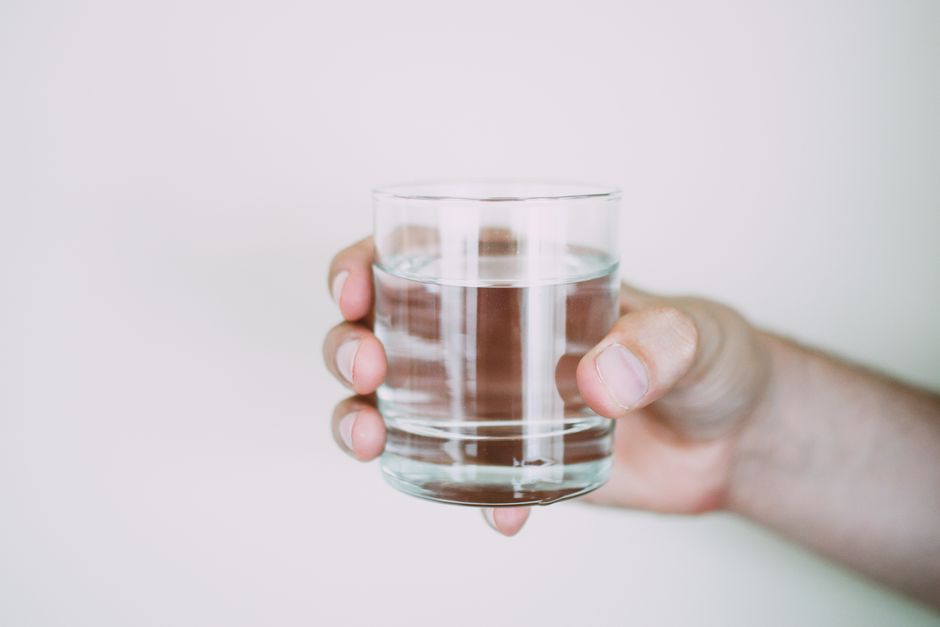
Getting ready for an ultrasound often comes with one main instruction: drink water. But the exact amount can feel like a guessing game. For most abdominal ultrasounds, the standard guidance is to drink about 32 ounces of water, which is roughly four 8-ounce glasses, about one hour before your appointment. You should finish drinking that water one hour before the exam and then hold your urine until the test is complete.
Why Does an Ultrasound Require a Full Bladder?
Sound waves travel best through fluid. A full bladder acts like a window for the ultrasound technician. It pushes the bowel out of the way and creates a clear path to see the pelvic organs.
For a pelvic ultrasound, that means the uterus, ovaries, and cervix are much easier to see. For an early pregnancy ultrasound, a full bladder helps get a clearer view of the gestational sac and the developing embryo. Without enough fluid, the images can look cloudy or incomplete.
This is not a marketing trick or a minor preference. The difference between a full bladder and an empty one can mean the difference between a clear diagnosis and a repeat appointment.
How Much Water Should You Drink For An Ultrasound?
The most common instruction is 32 ounces, or about four glasses of water, one hour before your scheduled time. Some imaging centers ask for 24 to 32 ounces. Others may say to drink three to four glasses and not empty your bladder afterward.
Drinking the water too early means your bladder may empty before the exam. Drinking it too late means you will be uncomfortable and the bladder may not be full enough. The one-hour mark is the sweet spot for most people.
You should not urinate after you finish the water. The technician needs your bladder to stay full during the scan. The scan itself usually takes 20 to 30 minutes, so plan for that time as well.
What Happens If You Drink Too Much Water?
There is such a thing as too much water before an ultrasound. If you drink a gallon or more, you may be in significant discomfort by the time the exam starts. Extreme bladder distension can actually make the scan harder to perform.
An overly full bladder can compress the organs the technician is trying to see. It can also cause you to move or tense up during the scan, which makes the images less clear. The goal is a comfortably full bladder, not a painfully full one.
If you are in severe discomfort, tell the technician. In some cases, they may let you empty a small amount and then continue. You should never hold your urine to the point of pain.




What If the Instructions Say No Water at All?
Some ultrasounds require an empty bladder. This is common for certain kidney scans, gallbladder ultrasounds, or Doppler studies of the blood vessels. The preparation depends entirely on what part of the body is being examined.
If your doctor or the imaging center says not to drink, follow that instruction. Drinking water when you were told not to can delay the exam or make the images unusable. When in doubt, call the imaging center and ask for their exact preparation instructions.
Different facilities have different protocols. One center may ask for 32 ounces while another asks for 24. Both can be correct for their specific equipment and imaging protocols.
Can You Drink Something Other Than Water?
Water is the safest choice. Clear fluids like plain tea or black coffee may be acceptable at some facilities, but they are not ideal. Milk, juice, and carbonated drinks can create gas in the bowel, which blocks the sound waves.
Carbonated beverages are particularly problematic. The gas bubbles in soda and sparkling water can obscure the view of the organs. If you want the best possible images, stick to plain water.
Chewing gum and smoking can also introduce air into your digestive tract. Avoiding both for a few hours before the exam can improve image quality.
What to Expect During the Ultrasound
You will lie on an exam table, and the technician will apply a warm gel to your lower abdomen. The gel helps the transducer make good contact with your skin. The technician will move the handheld device across your abdomen to capture images.
You may feel some pressure, especially when the technician presses down to get a better view. A full bladder makes this pressure more noticeable, but it should not be painful. Tell the technician if you are uncomfortable.
After the scan, you will be able to use the restroom. The technician will give you a towel to wipe off the gel, and you can empty your bladder before you leave. The entire appointment usually takes less than an hour.
Does a Full Bladder Matter for Every Type of Ultrasound?
No. A full bladder is mainly required for pelvic, obstetric, and some abdominal ultrasounds. Ultrasounds of the breast, thyroid, testicles, or joints typically do not require any water preparation.
Your doctor or the imaging center should give you specific instructions when you book the appointment. If they do not, ask. It is a simple question that can save you from drinking unnecessary water or arriving unprepared.
Some facilities now offer transvaginal ultrasounds for pelvic imaging, which may actually require an empty bladder. This is a different procedure where the transducer is placed inside the vagina for a closer view. The preparation is the opposite of the abdominal approach.
What Happens If You Did Not Drink Enough Water?
If you arrive with an empty bladder, the technician may not be able to get the images they need. In many cases, they will ask you to drink water and wait. This can delay your appointment by 30 to 60 minutes.
Some facilities may reschedule the exam entirely. This is frustrating, especially if you took time off work or arranged childcare. Drinking the water beforehand is the easiest way to avoid this outcome.
If you accidentally urinated before the exam, tell the front desk staff when you arrive. They may adjust the plan or have you drink more water on site.
Tips for Managing the Full Bladder Discomfort
Wear loose clothing that is easy to move. You will need to expose your lower abdomen, so pants with a stretchy waistband are more comfortable. Avoid tight belts or jeans that press on your full bladder.
Bring a book or your phone to distract yourself while you wait. The last 15 minutes before the exam can feel long when you need to use the restroom. Distraction genuinely helps.
Do not empty your bladder “just a little” before the exam, thinking it will not matter. Even a small amount of urine release can reduce the bladder volume enough to affect image quality.
Frequently Asked Questions
How much water should I drink before an ultrasound?
Most imaging centers recommend 32 ounces, or about four 8-ounce glasses, one hour before your appointment. Finish the water one hour before and do not urinate until after the scan.
Can I drink coffee before an ultrasound?
Plain black coffee may be acceptable at some facilities, but water is the safest choice. Carbonated drinks, milk, and juice can create gas or interfere with image quality.
What happens if I pee before my ultrasound?
The technician may not be able to get clear images, and you may need to drink more water and wait. In some cases, the exam may be rescheduled for another day.
Do I need a full bladder for a transvaginal ultrasound?
No, a transvaginal ultrasound usually requires an empty bladder. This is a different procedure that uses an internal probe for a closer view of the pelvic organs.
