
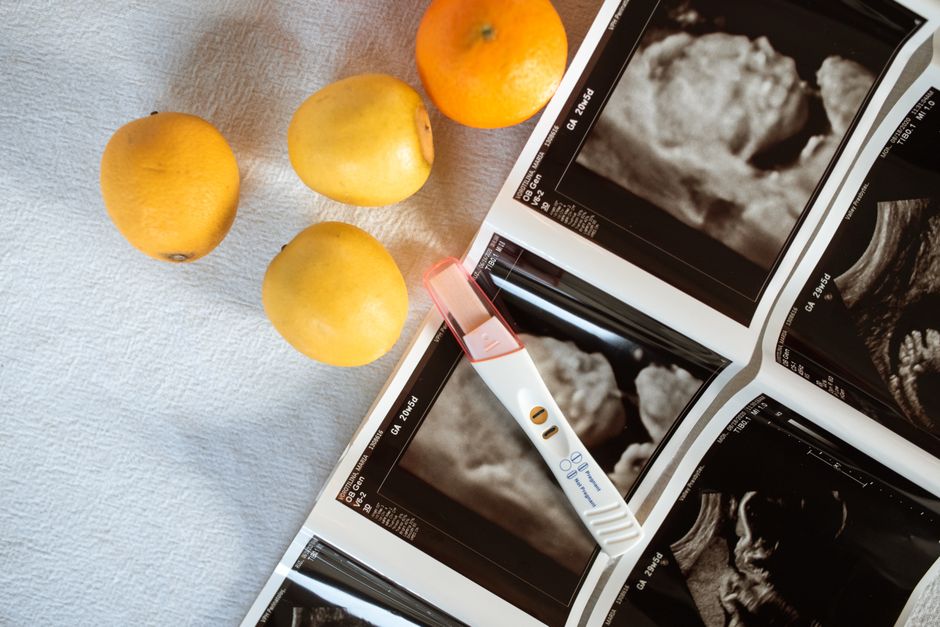
Yes, you can have an ultrasound while on your period, and in many cases, your doctor may specifically request it. Menstrual bleeding does not block sound waves, so the images remain clear and accurate. For certain gynecological concerns, having a scan during your period is not just allowed—it is the preferred timing for diagnosis.
Why Would a Doctor Schedule an Ultrasound During Your Period?
Doctors sometimes time ultrasounds to specific days of your menstrual cycle. The cycle changes the appearance of the ovaries and the uterine lining. Day 2, 3, or 4 of your period often provides the most reliable baseline view.
This timing matters for a few specific reasons. Early in the cycle, ovarian follicles are small and easy to count. This is essential for diagnosing conditions like polycystic ovary syndrome (PCOS). The uterine lining is also at its thinnest, which makes it easier to see structural issues like polyps or fibroids without the lining obscuring them.
For fertility assessments, this early-cycle scan is standard practice. It gives the doctor a clean starting point before any dominant follicle has emerged.
What Types of Ultrasounds Are Affected by Menstruation?
There are two main types of gynecologic ultrasound: transabdominal and transvaginal.
A transabdominal ultrasound uses a probe on your belly. Menstrual bleeding has no impact on this scan at all. The technician applies gel and moves the probe over your lower abdomen. The uterus and ovaries are viewed through the abdominal wall.
A transvaginal ultrasound involves a thin wand inserted into the vagina. This provides much clearer images of the uterus, ovaries, and cervix. Some women wonder if this is uncomfortable or messy during a period. It is generally safe and routine. The probe is covered with a sterile sheath, and the small amount of blood present does not interfere with the image quality.
Both types remain accurate during menstruation. The presence of blood does not distort the sound waves used to create the image.
Is It Safe to Have a Transvaginal Ultrasound While Bleeding?
Yes. Transvaginal ultrasounds during menstruation are safe and commonly performed. The risk of infection is not increased by the procedure itself.
The probe is always covered with a new, sterile condom-like sheath for each patient. This is standard infection control practice. The lubricating gel used is also sterile.
There is one important safety consideration. If you have a condition like a heavy bleeding disorder or a very low platelet count, your doctor may prefer to wait. This is rare and would be discussed with you beforehand. For the vast majority of women, there is no added risk.
If you are concerned about discomfort, tell the sonographer. They can slow down and adjust the technique. Some women find the pressure from the probe slightly uncomfortable during their period because the pelvic area can be more tender at this time. This is temporary and resolves once the scan is complete.



When Is It Better to Wait Until Your Period Ends?
There are situations where waiting until your bleeding stops is preferable. The decision depends entirely on why the ultrasound is being done.
For a routine annual check or a general assessment of the uterus and ovaries, most doctors prefer to scan after your period ends. This is usually days 5 through 10 of your cycle. The lining is still thin, but the bleeding has stopped, which is more comfortable for you and easier for the technician.
If the ultrasound is being done to evaluate abnormal bleeding itself, scanning during the bleed is often necessary. The doctor needs to see the current state of the uterine lining to understand why the bleeding is happening.
For evaluating the endometrium in women who are perimenopausal or postmenopausal, timing is less critical. The lining does not change as dramatically in these groups, so the scan can happen on any day.
Does Menstrual Blood Affect the Ultrasound Images?
No. Menstrual blood does not block or distort ultrasound waves. The image quality remains the same as any other day of your cycle.
Ultrasound works by sending high-frequency sound waves into the body. These waves bounce off tissues and return to the probe, creating an image. Blood is a fluid and transmits sound waves well. It does not create artifacts or shadows on the image.
However, a very heavy clot inside the uterine cavity can occasionally appear as a small dark area on the screen. This is easily distinguished by an experienced sonographer from a polyp or fibroid. The sonographer will recognize the difference based on the shape, location, and appearance.
One practical point: if you are having a transvaginal ultrasound, you may want to use a tampon before the appointment. You will need to remove it before the scan. Some clinics provide a private space for this. If you prefer pads, let the clinic know ahead of time so they can prepare the room with appropriate supplies.
What Conditions Are Best Diagnosed With a Period Ultrasound?
Several conditions are best evaluated at the start of your period. This is when the hormonal baseline is most predictable.
Polycystic ovary syndrome (PCOS) is one example. The diagnostic criteria require an ovarian follicle count. Counting follicles is easiest when they are all small and uniform, which happens early in the cycle.
Endometrial polyps are also easier to see during menstruation. The thin lining provides a clear backdrop, making the polyp stand out. Later in the cycle, the thickened lining can hide small polyps.
Uterine fibroids can be measured accurately at any time. But if they are small and located near the lining, early-cycle imaging gives the clearest view.
For fertility monitoring, the day 2-4 scan is the standard starting point. It confirms that no cysts are present from the previous cycle and that the ovaries are in a resting state.
What Should You Tell the Ultrasound Technician?
Always tell the technician that you are on your period. This is not for safety reasons. It helps them interpret what they see.
Knowing your cycle day also helps the doctor reading the images. The expected appearance of the endometrium and ovaries changes throughout the cycle. A doctor who knows you are on day 3 will expect a thin lining. Without this information, they might misread a normal finding.
You should also mention how heavy your flow is. This is relevant if you are being scanned for abnormal bleeding. The doctor needs to know whether the bleeding you are experiencing is normal for you or a new symptom.
If you have had any pelvic surgery, mention that too. Scar tissue can affect the appearance of the organs and needs to be considered when interpreting the images.
How Should You Prepare for an Ultrasound on Your Period?
Preparation depends on the type of ultrasound you are having.
For a transabdominal ultrasound, you will need a full bladder. This pushes the uterus up and provides a better viewing window. You will be asked to drink about 32 ounces of water an hour before your appointment and not empty your bladder until the scan is done. A full bladder during your period can be uncomfortable, so plan accordingly.
For a transvaginal ultrasound, your bladder should be empty. You will be asked to use the restroom right before the scan. No other preparation is needed.
Wear comfortable clothing that is easy to remove from the waist down. You will be given a sheet or gown to cover yourself during the procedure.
Bring a pad or panty liner to wear after the scan. The lubricating gel used during a transvaginal ultrasound can mix with blood and create a mess. Having a fresh pad helps you leave the clinic comfortably.
What If You Start Your Period Unexpectedly Before a Scan?
Do not cancel your appointment. Unless your doctor specifically told you to reschedule, arrive as planned.
Many women worry the scan will be wasted or that the technician will be unable to see anything. This is not the case. The images will be just as clear as any other day.
If you are having a transvaginal ultrasound, you may insert a tampon before leaving home. Remove it in the restroom right before the scan. If you do not use tampons, tell the receptionist or technician when you arrive. They will give you time to change and provide a private space.
If you are having a scan for fertility tracking, your doctor may have given you a specific day to come in. If your period starts earlier or later than expected, call the office. They will adjust your appointment date. The timing matters for this type of scan, and the doctor will want to recalculate.
Frequently Asked Questions
Can you have a transvaginal ultrasound while on your period?
Yes, it is safe and commonly done. The sterile probe cover and gel prevent any added risk of infection.
Does your period mess up an ultrasound?
No. Menstrual blood does not distort the images. In some cases, a scan during your period gives clearer views of the ovaries and uterine lining.
Why would a doctor order an ultrasound on day 2 or 3 of your period?
This timing gives a baseline view of the ovaries and a thin uterine lining. It is standard for fertility assessments and for diagnosing conditions like PCOS or polyps.
Should I wear a tampon to an ultrasound appointment?
You can, but you will need to remove it before a transvaginal scan. Bring a pad to wear after the scan because the gel can be messy.
